
Cartilage Grafting Rhinoplasty
Enhance nasal shape and function with cartilage grafting rhinoplasty. Discover benefits, procedure details, and recovery tips in this comprehensive guide.
Specialty
Rhinoplasty by Material →Dr. Kim Hyeongtaek consults directly and plans each procedure from your nasal anatomy and goals.
What Is Cartilage Grafting Rhinoplasty in Rhinoplasty by Material?
Cartilage Grafting Rhinoplasty is a specialized rhinoplasty technique that uses the patient’s own cartilage to reshape, reinforce, or refine nasal structure. It is commonly used when natural-looking enhancement and long-term structural support are desired. This approach is part of rhinoplasty by material, where cartilage is selected as the primary structural element for reshaping the nose.
The procedure involves carefully harvesting cartilage from areas such as the nasal septum or other suitable donor sites when needed. The cartilage is then shaped and placed strategically to enhance the nasal bridge, refine the tip, or improve symmetry. Because the material comes from the patient’s own body, it integrates naturally with existing tissues.
Cartilage grafting rhinoplasty focuses on structural stability and subtle contour improvement rather than dramatic alteration. It is often chosen by individuals seeking refined projection, smoother contours, or correction of irregularities from previous nasal procedures. The goal is balanced enhancement that harmonizes with overall facial features.
This surgical method is particularly valued for its ability to create natural-looking results with durable structural support. Treatment planning emphasizes precision, realistic expectations, and individualized facial analysis to achieve harmonious outcomes.

Who Needs Cartilage Grafting Rhinoplasty Treatment?
Cartilage grafting rhinoplasty may be suitable for individuals seeking structural refinement and natural-looking nasal enhancement using their own tissue. It is often considered when patients want improved nasal balance while maintaining subtle and realistic contours.
Ideal candidates include:
◆ Individuals in their 20s–50s seeking natural-looking nasal refinement and improved facial harmony.
◆ Patients with low nasal bridge or weak structural support who want enhanced projection using their own cartilage.
◆ Those with asymmetry or contour irregularities affecting overall facial balance.
◆ Individuals seeking revision rhinoplasty after previous procedures with unsatisfactory results.
◆ Patients who prefer autologous material rather than synthetic implants for nasal enhancement.
◆ People looking for long-term structural stability and subtle contour improvement.
◆ Individuals wanting tip refinement or smoother nasal bridge without artificial appearance.
◆ Patients focused on balanced, proportionate results aligned with facial features.
A detailed consultation helps determine suitability for cartilage grafting rhinoplasty based on nasal anatomy, previous procedures, and aesthetic goals.
Meet the Specialists in Rhinoplasty by Material and Cartilage Grafting Rhinoplasty
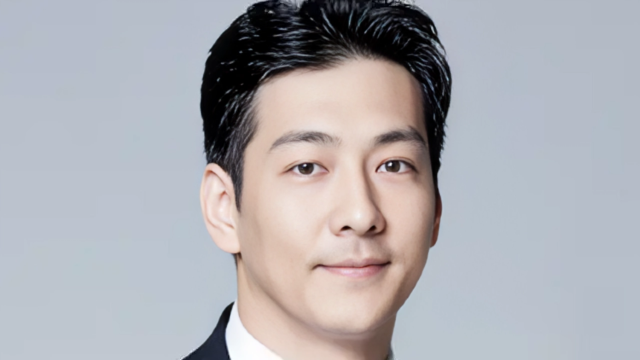
Dr. Kim Hyeongtaek
Adjunct Professor of Plastic Surgery, M.D.
At Kowon Plastic Surgery, cartilage grafting rhinoplasty is performed by experienced plastic surgery specialists who focus on structural precision, natural aesthetics, and patient-centered planning. Each procedure is tailored to individual facial anatomy and desired outcomes.
Dr. Kim Hyeongtaek leads the rhinoplasty team with expertise in structural nasal refinement and cartilage-based reconstruction techniques. His approach emphasizes detailed facial analysis, careful graft placement, and balanced contour design to achieve harmonious results. He focuses on enhancing nasal structure while maintaining natural proportions and long-term stability.
The specialist team supports patients through every stage of treatment, from initial consultation to recovery monitoring. Each treatment plan is individualized, taking into account nasal structure, skin thickness, and aesthetic preferences. Detailed guidance helps patients understand realistic expectations and recovery timelines.
The shared care philosophy centers on patient-focused plastic surgery that prioritizes safety, clear communication, and precision-based treatment planning. Every procedure is approached with the goal of achieving natural-looking results that align with the patient’s facial features and personal goals.
Cartilage Grafting Rhinoplasty Treatment Areas and Expected Improvements
Cartilage grafting rhinoplasty targets multiple nasal structures to improve contour, projection, and balance. Each treatment area is evaluated carefully to ensure graft placement supports natural-looking refinement and structural stability.
◆ Nasal Bridge Enhancement : Cartilage grafts improve bridge height, smooth irregularities, and create a refined, natural-looking profile without synthetic implants.
◆ Nasal Tip Refinement : Carefully shaped cartilage grafts enhance tip definition, projection, and symmetry while maintaining softness and natural proportion.
◆ Structural Support and Reinforcement : Cartilage grafts strengthen weakened areas, providing stable support and long-term contour balance.
◆ Contour Irregularity Correction : Grafts help smooth uneven contours and depressions, creating a more uniform and harmonious nasal structure.
◆ Revision Rhinoplasty Enhancement : Cartilage grafting supports reshaping and reinforcement in revision cases, restoring balance and natural appearance.
◆ Expected Improvements : Patients may notice improved projection, smoother contour, and enhanced facial harmony with balanced, natural-looking results.
Swelling gradually decreases over time, revealing refined contours and improved symmetry. Healing timelines vary depending on individual anatomy and treatment complexity.
Results differ for each patient, and no specific outcome can be guaranteed. Detailed consultation helps set realistic expectations.
Cartilage Grafting Rhinoplasty Treatment Process and Timeline
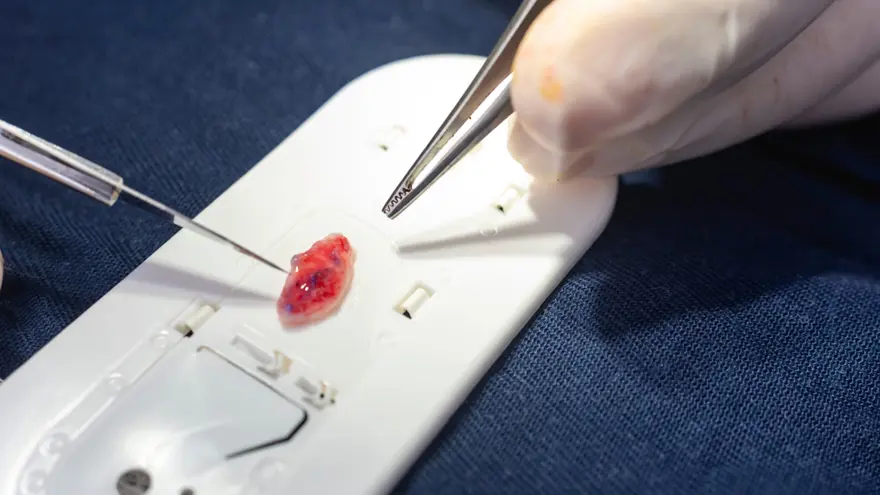
The cartilage grafting rhinoplasty process is structured to ensure careful evaluation, precise surgical technique, and supportive recovery. Each stage is designed to achieve balanced results and maintain patient safety.
1. Consultation and Structural Assessment : The surgeon evaluates nasal structure, skin thickness, facial proportions, and prior procedures to confirm suitability for cartilage grafting rhinoplasty.
2. Personalized Surgical Planning : A customized plan selects graft source, shape, and placement to meet structural needs and aesthetic goals, with guidance on preparation and recovery.
3. Cartilage Preparation and Surgical Procedure : Cartilage is carefully harvested, shaped, and positioned to enhance support, symmetry, and natural contour using precise surgical techniques.
4. Immediate Post-Surgical Care : Mild swelling or discomfort may occur. Aftercare instructions and protective support help maintain graft stability during early healing.
5. Follow-Up and Recovery Timeline : Regular follow-ups monitor healing, with refined contours becoming visible as swelling reduces and recovery progresses.
Downtime varies by individual, but mild swelling or bruising may occur during early recovery. Detailed aftercare guidance helps support comfortable healing and optimal outcomes.
Cartilage Grafting Rhinoplasty Results, Safety, and Longevity
Cartilage grafting rhinoplasty is designed to provide durable structural enhancement and natural-looking contour improvement. Because the graft uses the patient’s own cartilage, it integrates with surrounding tissue and supports stable results over time. Final outcomes gradually become more visible as swelling subsides and tissues adapt.
Longevity of results depends on individual anatomy, surgical technique, and healing response. Cartilage grafts provide structural reinforcement that can maintain nasal shape and projection for extended periods. Regular follow-up helps monitor stability and overall satisfaction.
Safety is prioritized through careful planning, sterile surgical technique, and personalized aftercare. Possible side effects may include temporary swelling, bruising, or mild discomfort. Infection, asymmetry, or need for additional refinement are uncommon but possible risks discussed during consultation.
Serious complications are rare when procedures are performed by experienced plastic surgeons. Patients are encouraged to follow all post-operative instructions and attend scheduled follow-up visits to support safe healing and long-term results.
Why Choose Kowon Plastic Surgery for Cartilage Grafting Rhinoplasty?
Kowon Plastic Surgery offers specialized cartilage grafting rhinoplasty with emphasis on structural precision, individualized planning, and natural-looking outcomes. The clinic’s approach prioritizes patient safety, realistic expectations, and refined aesthetic balance.
Each procedure is carefully planned based on facial proportions, nasal structure, and patient preferences. The surgical team focuses on achieving harmony between nasal features and overall facial appearance while maintaining long-term stability.
Under the leadership of Dr. Kim Hyeongtaek, cartilage grafting rhinoplasty is performed with attention to detail and structural integrity. His expertise in nasal refinement and graft-based reconstruction supports consistent, balanced results tailored to individual needs.
Key reasons patients choose this clinic:
◆ Experienced plastic surgery specialists in cartilage grafting rhinoplasty and structural nasal refinement.
◆ Individualized treatment planning based on facial analysis and patient goals.
◆ Focus on natural-looking outcomes using autologous cartilage techniques.
◆ Comprehensive follow-up care to support safe healing and long-term satisfaction.
The clinic environment is designed to provide clear communication, patient comfort, and structured guidance from consultation through recovery.
Real Patient Examples and Testimonials
Structural Refinement Patient, 30s
A patient seeking improved nasal bridge definition and tip balance chose cartilage grafting rhinoplasty for natural enhancement. Over time, she noticed smoother contour and better facial harmony. She appreciated the personalized consultation and gradual, natural-looking results.
-818fae16-57a2-4beb-9e9f-5d0d6cef8855.jpg)
Revision Rhinoplasty Patient, 40s
After a previous rhinoplasty left minor asymmetry, a patient pursued cartilage grafting rhinoplasty for structural correction. The procedure helped improve symmetry and overall balance while maintaining a natural appearance. He reported increased confidence in his profile and facial proportions.
-963875da-c840-4483-a32e-d61e2a031d2a.jpg)
Take the Next Step Toward Natural Nasal Balance with Cartilage Grafting Rhinoplasty
Enhance nasal structure and achieve refined facial harmony with personalized cartilage grafting rhinoplasty designed around your unique features and goals.
Schedule your cartilage grafting rhinoplasty consultation today to receive a comprehensive nasal assessment, discuss your concerns with our plastic surgery team, and explore personalized treatment options tailored to your facial structure and desired outcome. Our coordinators will guide you through each step from consultation to recovery planning.
Call +82262427080 our appointment desk to connect with the plastic surgery coordination team for consultation availability, detailed procedure information, and personalized guidance on cartilage grafting rhinoplasty treatment.
Results vary between individuals and are not guaranteed. Before-and-after photographs show individual cases and cannot predict the outcome of your own procedure.
Recovery and Safety
What every patient should know before treatment.
01
Early recovery
Depending on the procedure, swelling, bruising and nasal congestion may be present during early recovery. Your recovery schedule is explained before treatment.
02
Follow-up in Seoul
Ask how many days you should remain in Seoul and which follow-up visits are required before booking a return flight.
03
Understanding the risks
Depending on the procedure, risks can include bleeding, infection, scarring, asymmetry, breathing changes, graft or implant problems and the possibility of revision. Discuss the risks specific to your case.
04
Returning home
Before leaving Korea, obtain your procedure record, graft or implant information, medications and written instructions in English, and arrange a local doctor who can review you if needed.
Consultation
Ask about this procedure in a direct consultation.
Send clear photographs, your main concerns, any previous surgery history and breathing symptoms. A written plan and an itemised quotation are provided before any deposit is requested.
Request a consultationInternational Patient Desk — Gangnam
Kowon Plastic Surgery
Director Dr. Kim Hyeongtaek
Single-surgeon rhinoplasty and autologous cartilage center in Seoul. Delivering meticulous, individual surgical architecture for primary and complex revision procedures.
Practice & Inquiries
Gangnam Clinic
2F, 110 Dosan-daero, Gangnam District, Seoul 06038, South Korea
Consultation Hours (KST)
Mon – Fri: 10:00 – 19:00
Sat: 10:00 – 16:00 · Sun & Holidays Closed
Direct Communication Channels
Telephone: +822-6242-7080WhatsApp: +1-206-809-1367LINE Official: @967xxmreWeChat Consultation Service© 2025 Kowon Plastic Surgery. All rights reserved.
Registered Medical Institution for Foreign Patient Facilitation (Medical Korea). Surgical consultation and procedure terms subject to Korean Ministry of Health and Welfare guidelines.