
Area of Specialty
Rhinoplasty by Material
Explore different materials used in rhinoplasty, their benefits, and considerations. Learn which type suits your cosmetic or reconstructive needs best.
Lead Surgeon
Dr. Kim Hyeongtaek
Consultation
Korean and English
Location
Gangnam-gu, Seoul
Rhinoplasty by Material
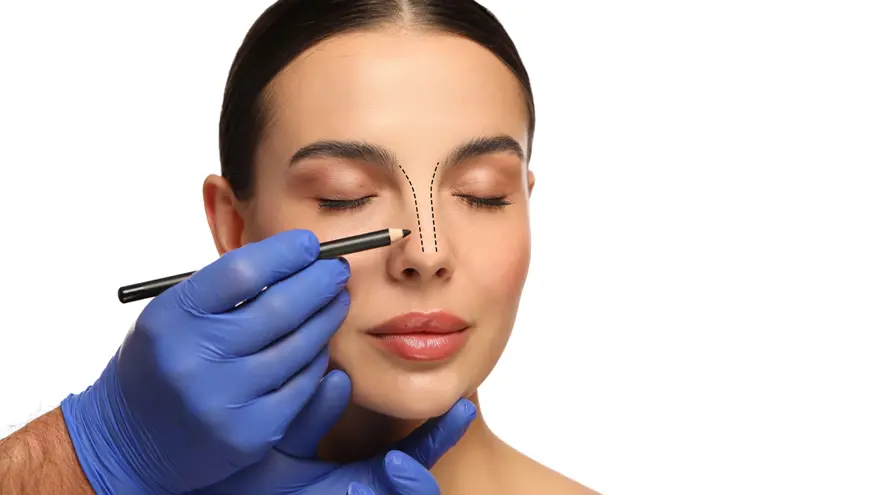
When considering rhinoplasty, it’s essential to understand the different materials that can be used in the procedure. Choosing the right material for rhinoplasty significantly affects the procedure's outcome, durability, and aesthetic appeal. At Kowon Plastic Surgery in Seoul, South Korea, Dr. Kim Hyeongtaek stands out for his expertise in Rhinoplasty by Material. This article explores the types of materials used, their unique benefits, and why Dr. Kim Hyeongtaek at Kowon Plastic Surgery is the ideal choice for this highly specialized procedure.
What is Rhinoplasty by Material?
Rhinoplasty by Material refers to the approach in rhinoplasty surgery where the material used to enhance or reconstruct the nose is carefully selected based on the patient’s goals, anatomical needs, and medical background. At Kowon Plastic Surgery in Seoul, South Korea, Dr. Kim Hyeongtaek has refined this technique to offer patients a range of options, ensuring both aesthetic results and long-term satisfaction.
Types of Rhinoplasty Materials
In rhinoplasty, there are generally three main types of materials used:
Autologous Materials (Body's Own Tissue)
Synthetic Implants
Alloplastic Implants (Human Cadaver Tissue)
Each has its pros and cons, which Dr. Kim Hyeongtaek evaluates carefully for every patient at Kowon Plastic Surgery.
Autologous Materials
Autologous materials involve using the patient's own tissue, typically cartilage taken from the nose, ear, or rib. This method has become increasingly popular due to its compatibility with the body, reducing the risk of rejection.
Advantages of Autologous Materials in Rhinoplasty
Natural Look and Feel: Since the tissue is from the patient’s own body, it provides a seamless, natural appearance.
Low Risk of Rejection: Autologous materials are biocompatible, meaning there’s minimal risk of adverse reactions or rejection.
Durability: Autologous tissues tend to last a lifetime and integrate well with existing nasal structures.
Dr. Kim Hyeongtaek specializes in the strategic placement of autologous tissues, ensuring optimal structural support and visual harmony. His skills in shaping cartilage enhance the nose’s appearance while maintaining its strength and flexibility.
Who Should Choose Autologous Rhinoplasty?
Autologous materials are often ideal for patients who:
Have thin nasal skin
Desire a natural, soft look
Prefer minimal risk of implant rejection
At Kowon Plastic Surgery, Dr. Kim Hyeongtaek thoroughly assesses each patient's requirements to determine if autologous tissue is the best choice.
Synthetic Implants
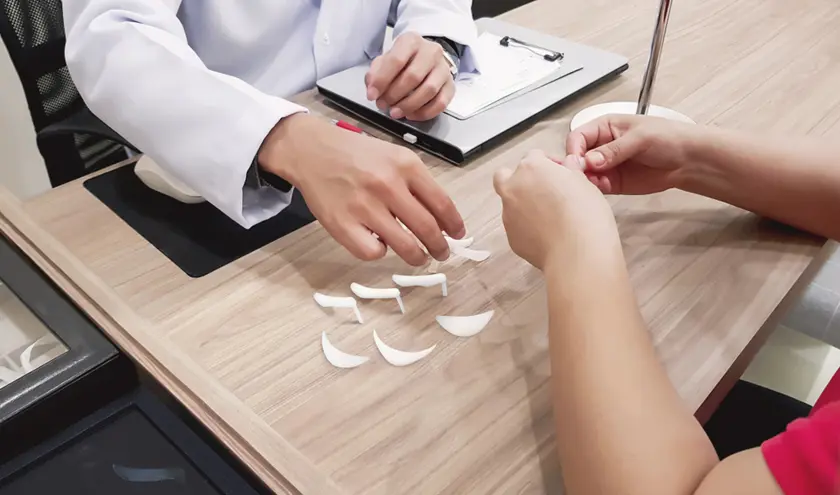
Synthetic implants are popular in rhinoplasty because they offer predictable results and can create a well-defined nasal shape. The most commonly used synthetic materials include silicone and Gore-Tex.
Advantages of Synthetic Implants in Rhinoplasty
Stability and Shape: Synthetic implants can hold their shape, offering strong support and definition, particularly in the nasal bridge.
Less Invasive: Using synthetic implants usually involves less time and tissue extraction, leading to a potentially shorter recovery period.
Customizable: With synthetic implants, patients have greater control over the shape and size of the implant.
Dr. Kim Hyeongtaek has extensive experience in customizing synthetic implants to meet his patients' unique aesthetic desires. At Kowon Plastic Surgery, each synthetic rhinoplasty procedure is meticulously planned to align with the patient’s facial structure.
Who Should Consider Synthetic Rhinoplasty?
Synthetic implants are often suited for patients who:
Require significant augmentation
Prefer a more defined, structured look
Have thicker nasal skin, which can conceal the edges of the implant
Alloplastic Implants
Alloplastic implants involve using human cadaver tissue, often processed and sterilized to ensure it is safe for use in surgery. This material, also known as irradiated cadaveric tissue, can be an option for patients who prefer a natural alternative but lack sufficient autologous tissue for their rhinoplasty.
Advantages of Alloplastic Implants in Rhinoplasty
Natural Aesthetic: This material mimics natural tissue, making it ideal for subtle reshaping.
Reduced Risk of Resorption: Unlike synthetic implants, alloplastic materials are less likely to be rejected or absorbed by the body.
Versatile Application: Alloplastic tissue can be used to reconstruct or build up areas that require extra support.
At Kowon Plastic Surgery, Dr. Kim Hyeongtaek is known for his expertise in using alloplastic materials. His approach emphasizes precision, ensuring the implant integrates smoothly and provides a natural look.
Who Should Consider Alloplastic Rhinoplasty?
This option may be ideal for patients who:
Lack sufficient cartilage for an autologous approach
Are interested in a biocompatible alternative to synthetic implants
Prefer a softer and more subtle nasal structure
Why Choose Dr. Kim Hyeongtaek for Rhinoplasty by Material at Kowon Plastic Surgery?
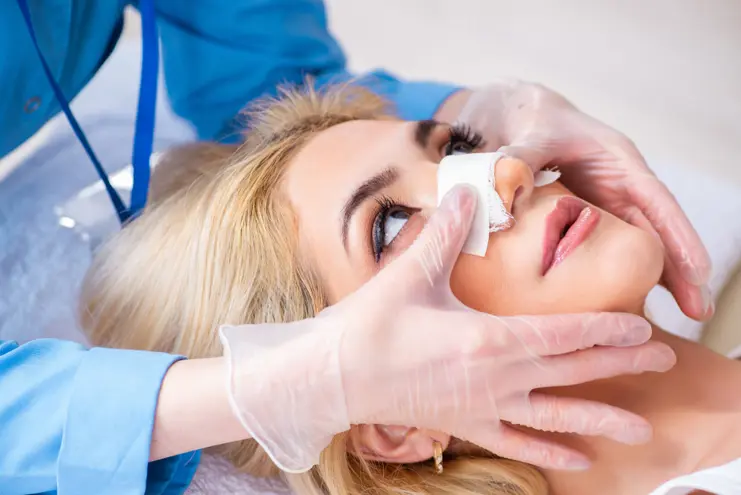
With years of specialized training and experience in Rhinoplasty by Material, Dr. Kim Hyeongtaek at Kowon Plastic Surgery is a highly sought-after surgeon in Seoul, South Korea. Here’s why he stands out:
1. Precision and Customization
Dr. Kim Hyeongtaek believes in a personalized approach to rhinoplasty. His in-depth consultations allow him to understand each patient’s goals, facial structure, and health history. This customization ensures that every rhinoplasty procedure aligns with the patient’s unique needs.
2. Advanced Surgical Techniques
Using the latest advancements in plastic surgery, Dr. Kim Hyeongtaek has refined his skills in material selection and integration. Whether it’s autologous tissue, synthetic implants, or alloplastic options, his knowledge of material science ensures both aesthetic success and long-term durability.
3. Reputation and Patient Satisfaction
With countless successful cases, Dr. Kim Hyeongtaek has earned a reputation as a top rhinoplasty surgeon in Seoul. Patient satisfaction is a testament to his meticulous work and dedication, with many clients recommending Kowon Plastic Surgery for its commitment to quality and care.
Conclusion
Choosing the right material for your rhinoplasty is crucial for a successful outcome. Dr. Kim Hyeongtaek at Kowon Plastic Surgery in Seoul, South Korea, offers unparalleled expertise in Rhinoplasty by Material. His dedication to precision, patient satisfaction, and mastery in this specialized area of plastic surgery makes him a trusted choice for patients worldwide.
For more information or to schedule a consultation, contact Kowon Plastic Surgery. Let Dr. Kim Hyeongtaek help you achieve the nose you’ve always wanted with a customized, material-specific approach.
Results vary between individuals. Rhinoplasty can involve bleeding, infection, scarring, asymmetry, breathing changes, graft or implant problems and possible revision. Before-and-after photographs and computer simulations cannot guarantee an individual outcome.
What to Expect
From first inquiry to follow-up.
01
Assessment
Nasal structure, skin thickness, breathing function and any previous surgery are reviewed against your goals.
02
Written treatment plan
The proposed procedure, graft material, anesthesia method, recovery schedule and quotation are provided in writing.
03
Confirmation in Seoul
The final surgical plan is confirmed after an in-person examination, with any changes agreed before surgery.
04
Follow-up
Clinic visits are scheduled during early recovery, and written instructions are provided before you return home.
Procedures
Individual procedures at Kowon.
Each procedure is listed with the specialty it belongs to.
View all proceduresConsultation
Discuss this specialty with Dr. Kim.
Send clear photographs, your main concerns, any previous surgery history and breathing symptoms. An individualised, itemised quotation is provided before any deposit is requested.
International Patient Desk — Gangnam
Kowon Plastic Surgery
Director Dr. Kim Hyeongtaek
Single-surgeon rhinoplasty and autologous cartilage center in Seoul. Delivering meticulous, individual surgical architecture for primary and complex revision procedures.
Practice & Inquiries
Gangnam Clinic
2F, 110 Dosan-daero, Gangnam District, Seoul 06038, South Korea
Consultation Hours (KST)
Mon – Fri: 10:00 – 19:00
Sat: 10:00 – 16:00 · Sun & Holidays Closed
Direct Communication Channels
Telephone: +822-6242-7080WhatsApp: +1-206-809-1367LINE Official: @967xxmreWeChat Consultation Service© 2025 Kowon Plastic Surgery. All rights reserved.
Registered Medical Institution for Foreign Patient Facilitation (Medical Korea). Surgical consultation and procedure terms subject to Korean Ministry of Health and Welfare guidelines.