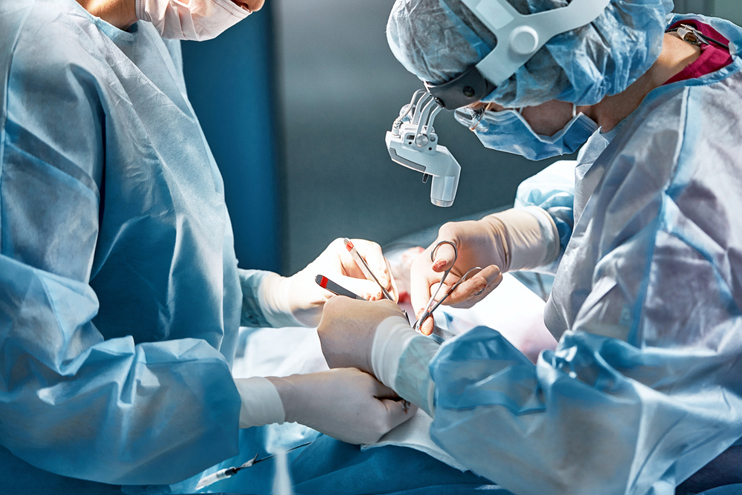
Open Rhinoplasty
Discover the benefits, procedure, and recovery of open rhinoplasty. Learn how this popular nose surgery enhances both function and aesthetics.
Specialty
Rhinoplasty →Dr. Kim Hyeongtaek consults directly and plans each procedure from your nasal anatomy and goals.
What Is Open Rhinoplasty in Plastic Surgery for Detailed Nasal Correction?
Open Rhinoplasty is a specialized surgical procedure designed to correct both functional and aesthetic nasal concerns by allowing direct access to the nasal framework. Unlike closed rhinoplasty, which limits visibility, the open approach provides surgeons with full exposure to the cartilage, septum, and nasal tip, enabling more precise adjustments.
The procedure addresses internal structural issues such as cartilage misalignment, nasal tip deformities, and bridge irregularities while maintaining natural facial balance. Surgical techniques focus on reshaping cartilage, correcting asymmetry, and optimizing nasal function.
Open Rhinoplasty differs from minimally invasive or non-surgical options by allowing comprehensive structural correction, ensuring long-term stability and improved nasal function, without compromising natural aesthetics.
This approach is particularly beneficial for complex or revision cases where detailed structural refinement is required. Although it involves a small external incision at the columella, careful surgical technique helps minimize visible scarring. With proper planning and individualized treatment, patients can achieve enhanced nasal harmony along with improved breathing function.

Who Needs Open Rhinoplasty Treatment for Nasal Reshaping and Function?
Open Rhinoplasty is suitable for individuals with structural nasal concerns affecting appearance, breathing, or overall facial harmony. Patients often seek this procedure for complex nasal tip reshaping, correction after prior surgery, or functional restoration.
Ideal patient profiles include:
◆ Adults in their 20s–50s with congenital or acquired nasal asymmetry.
◆ Individuals with a bulbous or drooping nasal tip affecting facial proportions.
◆ Patients with a low nasal bridge seeking structural enhancement.
◆ People with post-trauma nasal deformities requiring precise reconstruction.
◆ Candidates requiring revision after previous rhinoplasty procedures.
◆ Those desiring improved nasal airflow and structural stability.
Open Rhinoplasty is ideal for patients seeking meticulous correction with long-lasting results, addressing both functional and aesthetic goals.
Meet the Specialist in Plastic Surgery Open Rhinoplasty
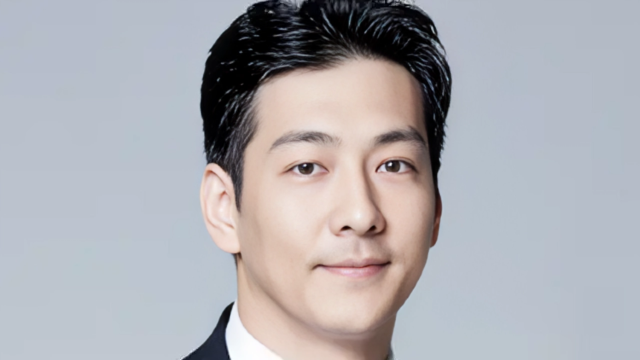
Dr. Kim Hyeongtaek
Adjunct Professor of Plastic Surgery, M.D.
Dr. Kim Hyeongtaek brings extensive experience in complex rhinoplasty procedures, with a focus on nasal tip refinement, structural support, and functional correction. His approach emphasizes natural outcomes, precise anatomical alignment, and patient-centered planning.
The rhinoplasty team follows a collaborative, evidence-based approach, combining advanced surgical techniques with personalized care. Shared care philosophy prioritizes functional and aesthetic harmony, ensuring that each patient receives customized treatment designed to enhance breathing, nasal structure, and facial balance.
Open Rhinoplasty Treatment Areas and Expected Improvements
◆ Nasal Tip and Cartilage Refinement : Precise adjustments to the nasal tip and underlying cartilage enhance symmetry and refine shape. Structural repositioning improves nasal projection and tip rotation for a balanced appearance.
◆ Bridge and Dorsal Profile Enhancement : The procedure addresses low or uneven bridges, providing refined dorsal contour and improved nasal harmony. Cartilage grafts or adjustments ensure a stable and natural-looking profile.
◆ Septum and Internal Structural Correction : Open Rhinoplasty corrects septal deviations, supports internal nasal framework, and improves airflow. Structural corrections contribute to both functional and aesthetic improvements.
◆ Overall Nasal Symmetry and Facial Harmony : By addressing multiple areas simultaneously, the procedure enhances nasal proportion relative to the face. Subtle improvements in contour and alignment complement functional benefits.
◆ Expected Improvements : Patients can expect refined nasal shape, improved symmetry, and enhanced nasal function. Outcomes vary by individual, and results cannot be guaranteed.
Open Rhinoplasty Treatment Process and Timeline
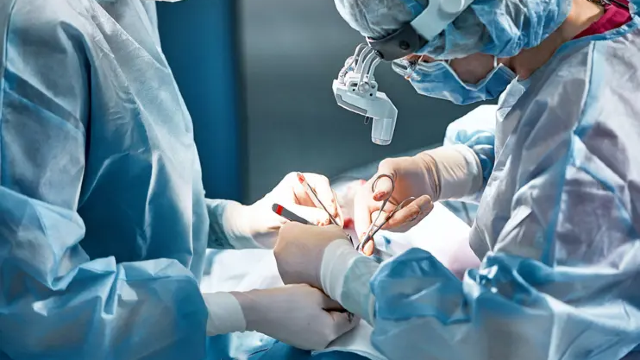
Open Rhinoplasty involves a stepwise approach to ensure safe, effective, and aesthetically harmonious results:
Consultation and Structural Assessment : Comprehensive evaluation of nasal anatomy, facial proportions, and patient goals. Discussion of previous surgeries or trauma if relevant.
Surgical Planning and Technique Selection : Personalized plan outlining cartilage adjustments, grafting, and structural corrections needed for desired outcome.
Open Rhinoplasty Procedure : Direct visualization of nasal framework allows precise shaping, tip refinement, and septal correction.
Immediate Aftercare : Post-operative guidance includes managing swelling, bruising, and congestion. Pain and mild discomfort are normal in the initial recovery phase.
Follow-Up and Monitoring : Scheduled visits to track healing, remove sutures, and evaluate functional and aesthetic outcomes. Swelling typically resolves gradually, with full refinement visible over months.
Downtime varies but typically involves mild swelling or bruising for several days, with gradual return to normal activities under medical supervision.
Open Rhinoplasty Results, Safety, and Longevity
Open Rhinoplasty provides long-term structural and aesthetic improvements. Cartilage and septal adjustments support stable nasal architecture, while refined tip and bridge alignment enhance facial harmony.
The procedure is performed using established surgical methods, emphasizing patient safety and conservative correction. Common side effects include temporary swelling, bruising, and mild discomfort. Serious complications are rare but may include infection, bleeding, or delayed healing.
Results vary depending on individual anatomy, healing, and adherence to post-operative care instructions. While long-lasting improvements are expected, no outcome can be guaranteed.
Most patients resume light activities within one to two weeks, although residual swelling may take several months to fully resolve. Follow-up appointments are essential to monitor healing and ensure optimal structural support. A thorough consultation and realistic expectations play a key role in achieving satisfactory and balanced results.
Why Choose Kowon Plastic Surgery for Open Rhinoplasty?
Kowon Plastic Surgery is a leading provider of Open Rhinoplasty, offering specialized expertise in complex nasal reshaping. The clinic combines advanced surgical techniques with patient-centered care to optimize both appearance and function.
The medical team, led by Dr. Kim Hyeongtaek, has extensive experience in structural rhinoplasty, revision procedures, and functional nasal correction. Personalized planning ensures precise and natural-looking results.
Patients benefit from comprehensive care that includes preoperative assessment, meticulous surgical execution, and post-operative support. The clinic emphasizes comfort, safety, and long-term structural stability throughout the treatment journey.
Key reasons patients choose Kowon Plastic Surgery:
◆ Extensive experience in complex nasal reshaping and structural correction.
◆ Personalized surgical planning for functional and aesthetic harmony.
◆ Expert team with years of specialized rhinoplasty experience.
◆ Continuous support from consultation to recovery for optimal outcomes.
Real Patient Examples of Open Rhinoplasty
Refined Nasal Tip Patient, 30s
A patient with a bulbous nasal tip sought improved balance and a more refined contour while maintaining natural facial proportions. Open Rhinoplasty was performed to precisely reshape and reposition the lower lateral cartilages, improving tip definition and projection. The procedure enhanced overall facial harmony without creating an over-operated appearance.
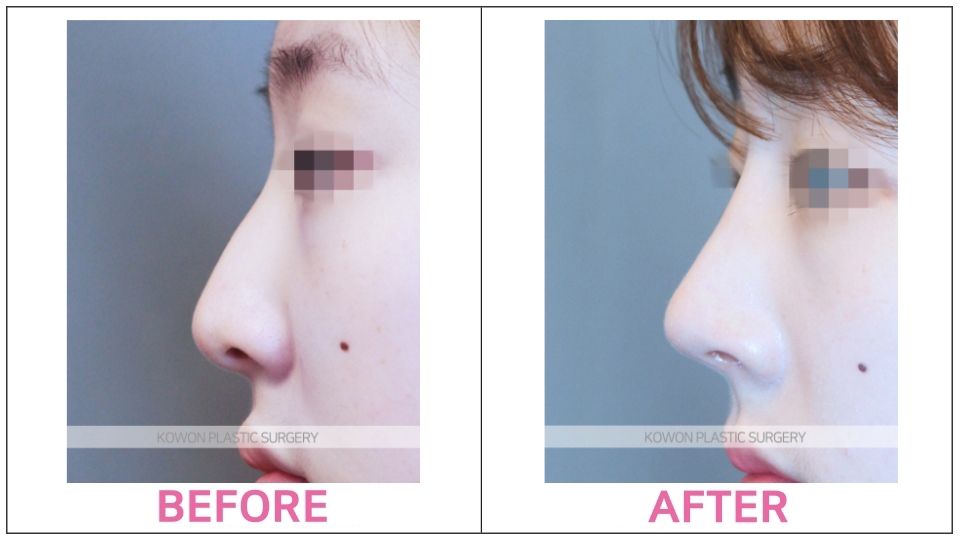
Post-Trauma Nasal Reconstruction Patient, 40s
After experiencing nasal trauma, the patient developed visible asymmetry along with mild breathing difficulty. Open Rhinoplasty allowed direct access to correct structural irregularities, straighten the nasal framework, and improve septal alignment. The outcome restored symmetry, supported nasal function, and achieved a balanced, natural-looking result.
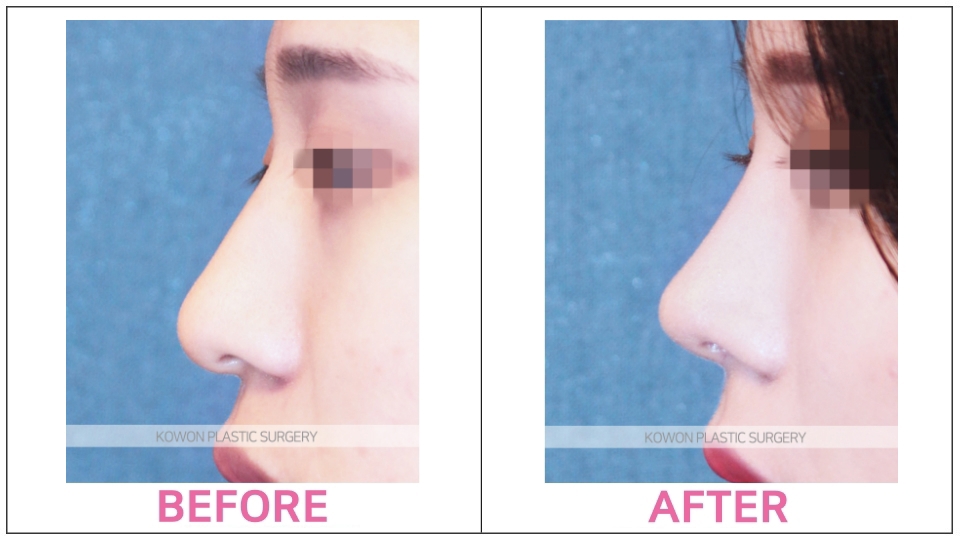
These cases illustrate typical patient experiences with Open Rhinoplasty. Individual results may vary depending on anatomy and healing.
Take the Next Step with Open Rhinoplasty
If you are seeking precise nasal reshaping and improved function, Open Rhinoplasty at Kowon Plastic Surgery provides a tailored solution focused on both aesthetic and functional outcomes. Schedule a consultation to evaluate your anatomy, discuss goals, and receive a personalized surgical plan.
Book your Open Rhinoplasty consultation today to explore customized surgical solutions for refined nasal structure, improved function, and balanced facial harmony, guided by expert plastic surgery specialists.
Call +82262427080 the clinic’s appointment desk to speak with the patient care team and arrange your consultation with Dr. Kim Hyeongtaek.
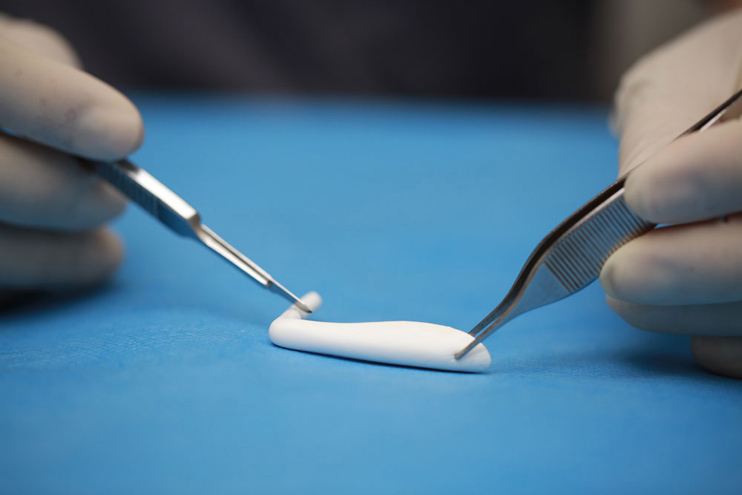


Results vary between individuals and are not guaranteed. Before-and-after photographs show individual cases and cannot predict the outcome of your own procedure.
Recovery and Safety
What every patient should know before treatment.
01
Early recovery
Depending on the procedure, swelling, bruising and nasal congestion may be present during early recovery. Your recovery schedule is explained before treatment.
02
Follow-up in Seoul
Ask how many days you should remain in Seoul and which follow-up visits are required before booking a return flight.
03
Understanding the risks
Depending on the procedure, risks can include bleeding, infection, scarring, asymmetry, breathing changes, graft or implant problems and the possibility of revision. Discuss the risks specific to your case.
04
Returning home
Before leaving Korea, obtain your procedure record, graft or implant information, medications and written instructions in English, and arrange a local doctor who can review you if needed.
Consultation
Ask about this procedure in a direct consultation.
Send clear photographs, your main concerns, any previous surgery history and breathing symptoms. A written plan and an itemised quotation are provided before any deposit is requested.
Request a consultationInternational Patient Desk — Gangnam
Kowon Plastic Surgery
Director Dr. Kim Hyeongtaek
Single-surgeon rhinoplasty and autologous cartilage center in Seoul. Delivering meticulous, individual surgical architecture for primary and complex revision procedures.
Practice & Inquiries
Gangnam Clinic
2F, 110 Dosan-daero, Gangnam District, Seoul 06038, South Korea
Consultation Hours (KST)
Mon – Fri: 10:00 – 19:00
Sat: 10:00 – 16:00 · Sun & Holidays Closed
Direct Communication Channels
Telephone: +822-6242-7080WhatsApp: +1-206-809-1367LINE Official: @967xxmreWeChat Consultation Service© 2025 Kowon Plastic Surgery. All rights reserved.
Registered Medical Institution for Foreign Patient Facilitation (Medical Korea). Surgical consultation and procedure terms subject to Korean Ministry of Health and Welfare guidelines.