
Autologous Graft Rhinoplasty
Discover the benefits of autologous graft rhinoplasty—a natural, effective approach to nose reshaping using the body’s own tissue for optimal results.
Specialty
Non-implant Rhinoplasty →Dr. Kim Hyeongtaek consults directly and plans each procedure from your nasal anatomy and goals.
What Is Autologous Graft Rhinoplasty in Non-implant Rhinoplasty?
Autologous graft rhinoplasty is a minimally invasive procedure using the patient’s own tissue—such as cartilage from the septum, ear, or rib—to enhance nasal structure without synthetic implants. This approach allows for safe, natural augmentation of the nasal bridge, tip, and overall contour.
The procedure is performed with precision to correct low nasal bridges, under-projected tips, and mild asymmetry. Using autologous tissue reduces risks associated with implants, while providing stable, long-lasting contour refinement.
Unlike filler-based or implant rhinoplasty, autologous grafts provide structural support, making them suitable for patients seeking both functional and aesthetic improvement. The method is conservative yet effective, emphasizing natural results and facial harmony.
Each treatment plan is individualized, focusing on proportional enhancement and a seamless fit with surrounding nasal structures. Surgical planning considers anatomical variations, prior procedures, and aesthetic goals. Autologous graft rhinoplasty combines regenerative principles with meticulous surgical technique to refine nasal shape with minimal scarring, preserving natural nasal function and appearance.

Who Needs Autologous Graft Rhinoplasty Treatment?
Autologous graft rhinoplasty is ideal for patients seeking natural nasal enhancement with long-term structural support, without the use of synthetic implants. Candidates benefit from precise grafting to address specific contour concerns while maintaining safety and harmony.
Ideal patient profiles include:
◆ Adults in their 20s–50s seeking subtle, natural nasal refinement
◆ Individuals with low or flat nasal bridge needing structural support
◆ Patients with under-projected nasal tips desiring balanced profile
◆ Those with mild asymmetry or contour irregularities from prior procedures
◆ Patients preferring autologous tissue over synthetic implants
◆ Individuals prioritizing long-term results with minimal foreign materials
◆ Patients who value conservative, anatomically guided aesthetic enhancement
Patients should have realistic expectations and general good health for optimal graft integration and recovery.
Meet the Specialists in Autologous Graft Rhinoplasty
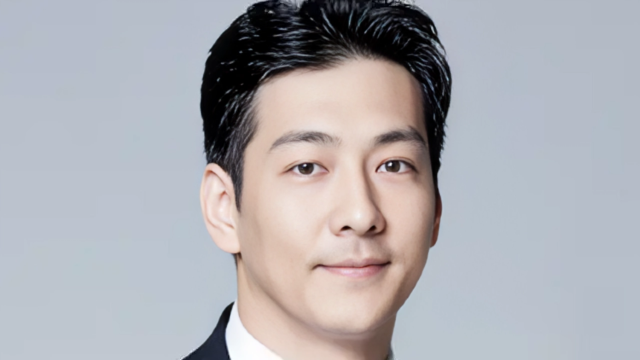
Dr. Kim Hyeongtaek
Adjunct Professor of Plastic Surgery, M.D.
At Kowon Plastic Surgery, autologous graft rhinoplasty is performed by a dedicated team led by Dr. Kim Hyeongtaek, a specialist with extensive experience in structural rhinoplasty and facial harmony planning. Dr. Kim focuses on precise graft placement, natural contouring, and patient-centered outcomes.
The clinical team collaborates closely to evaluate nasal anatomy, previous procedures, and aesthetic goals. Detailed preoperative planning ensures grafts are tailored for optimal integration and natural appearance.
Their shared philosophy emphasizes personalized care, evidence-based surgical techniques, and patient education, ensuring each procedure is executed with precision and long-term aesthetic consideration.
The team maintains consistent follow-up, addressing patient questions and monitoring graft stability. The approach balances safety, predictability, and subtle refinement to achieve natural nasal enhancement.
Autologous Graft Rhinoplasty Treatment Areas and Expected Improvements
◆ Nasal Bridge Support and Augmentation : Autologous grafts elevate and define the bridge, creating smoother dorsal lines and improved facial balance.
◆ Nasal Tip Projection and Definition : Grafts enhance tip support and projection, aligning the tip with the augmented bridge for natural, balanced results.
◆ Correction of Mild Asymmetry : Targeted graft placement addresses minor contour asymmetries, improving nasal balance and harmony.
◆ Improved Dorsal Lines and Contour Smoothness : Grafts smooth bumps and irregularities along the bridge, producing a refined, continuous nasal profile.
Expected improvements include better nasal structure, enhanced tip and bridge support, smoother contour, and improved facial harmony. Outcomes vary based on individual anatomy, graft integration, and surgical planning.
Autologous Graft Rhinoplasty Treatment Process and Timeline

Autologous graft rhinoplasty follows a structured sequence to ensure safety, precision, and optimal integration.
1. Consultation and Nasal Assessment : A thorough evaluation of nasal anatomy, facial proportions, and patient goals is conducted. The surgeon discusses graft options, procedural steps, and expected outcomes.
2. Autologous Tissue Harvest : Cartilage is harvested from the septum, ear, or rib, depending on the structural requirements. Tissue is prepared and shaped to match the nasal contour plan.
3. Graft Placement and Refinement : The harvested tissue is carefully inserted into the nasal framework. Precision shaping ensures balanced bridge, tip, and dorsal contour. Minor adjustments are made to optimize symmetry.
4. Immediate Postoperative Care : Patients may experience mild swelling or bruising, which typically resolves in days to weeks. Clear aftercare instructions are provided to support healing and graft integration.
5. Follow-Up and Result Monitoring : Scheduled follow-ups allow assessment of graft stability, contour refinement, and symmetry. Long-term monitoring ensures consistent aesthetic and functional outcomes.
Downtime is moderate, usually a few days for basic activity with visible swelling gradually decreasing over 1–2 weeks.
Autologous Graft Rhinoplasty Results, Safety, and Longevity
Autologous grafts provide durable structural support for the nose, using the patient’s own tissue to enhance shape, stability, and contour. Results typically stabilize within weeks as the graft integrates with surrounding tissue, offering longer-lasting outcomes compared to temporary fillers. While longevity varies depending on individual healing and tissue characteristics, the procedure is designed to achieve subtle, natural-looking improvements that harmonize with overall facial features.
The procedure is considered safe when performed by an experienced plastic surgery team. Using autologous tissue minimizes the risk of rejection and reduces complications often associated with synthetic implants, such as extrusion or long-term inflammation. Careful planning and precise surgical technique ensure the graft supports the desired nasal structure while maintaining proper function.
Temporary side effects may include mild swelling, bruising, or tenderness at the surgical site, which typically resolve as healing progresses. Rare risks include infection, minor asymmetry, or delayed tissue integration, but serious complications are uncommon when proper surgical protocols and post-operative care are followed.
Patients receive comprehensive guidance for post-procedure care, including instructions to support graft stability, reduce swelling, and promote proper healing. Surgeons provide realistic expectations regarding graft integration and the subtle enhancement of nasal contours. The results are individualized, prioritizing natural appearance, proportional refinement, and long-term structural support.
Why Choose Kowon Plastic Surgery for Autologous Graft Rhinoplasty?
Kowon Plastic Surgery offers specialized autologous graft rhinoplasty for patients seeking natural, implant-free nasal refinement. The clinic focuses on structural support, precision contouring, and facial harmony.
The lead surgeon, Dr. Kim Hyeongtaek, brings years of experience in structural rhinoplasty and autologous tissue management. Every procedure is tailored to patient anatomy and aesthetic goals.
International and domestic patients benefit from a supportive, patient-focused environment emphasizing safety, personalized planning, and clear communication.
Reasons to choose Kowon Plastic Surgery:
◆ Expertise in autologous graft techniques for natural nasal enhancement
◆ Specialist-led procedures with individualized surgical planning
◆ Conservative approach prioritizing functional and aesthetic outcomes
◆ Comprehensive consultation, postoperative care, and follow-up support
The clinic integrates professional guidance with patient-centered care, ensuring refined, proportional, and safe results.
Real Patient Examples and Testimonials for Autologous Graft Rhinoplasty
Bridge and Tip Enhancement Patient, 30s
A patient in her 30s presented with a low nasal bridge and an under-projected tip, affecting overall facial balance and profile harmony. She underwent autologous graft rhinoplasty, where her own tissue was used to augment the bridge and support tip projection. Following healing, the nasal bridge appeared higher and smoother, the tip more refined and proportionate, and overall profile symmetry improved. The patient appreciated the natural-looking enhancement and durable structural support provided by the grafts, which complemented her facial features without appearing artificial.
-cdb06f04-8bb7-4a6b-af0d-b0180911d844.jpg)
Contour Balance Patient, 40s
A patient in her 40s experienced mild dorsal irregularity and asymmetry that subtly disrupted nasal contour and facial harmony. Autologous graft placement was performed to refine the dorsal line, smooth minor irregularities, and provide gentle tip support. As healing progressed, the nose appeared more balanced, with improved symmetry and a refined, natural contour. The procedure offered subtle yet effective enhancement, maintaining proportionality with other facial features and providing long-lasting structural support without compromising natural appearance.
-edee9773-b47a-4681-95c8-c9e8ad8bfeeb.jpg)
Individual results vary depending on anatomy, graft integration, and surgical planning.
Begin Your Autologous Graft Rhinoplasty Journey Today
If you are considering autologous graft rhinoplasty to improve nasal contour, projection, or symmetry without implants, schedule a personalized consultation. Our team provides detailed assessment, customized graft planning, and supportive aftercare to achieve subtle, balanced, and natural-looking results.
Book your autologous graft rhinoplasty consultation today to discuss structural enhancement options, receive an individualized treatment plan, and begin your journey toward refined, natural nasal contours with expert surgical guidance.
Contact +82262427080 our appointment desk to speak with our rhinoplasty care team and arrange a consultation for a detailed assessment and treatment plan.
Results vary between individuals and are not guaranteed. Before-and-after photographs show individual cases and cannot predict the outcome of your own procedure.
Recovery and Safety
What every patient should know before treatment.
01
Early recovery
Depending on the procedure, swelling, bruising and nasal congestion may be present during early recovery. Your recovery schedule is explained before treatment.
02
Follow-up in Seoul
Ask how many days you should remain in Seoul and which follow-up visits are required before booking a return flight.
03
Understanding the risks
Depending on the procedure, risks can include bleeding, infection, scarring, asymmetry, breathing changes, graft or implant problems and the possibility of revision. Discuss the risks specific to your case.
04
Returning home
Before leaving Korea, obtain your procedure record, graft or implant information, medications and written instructions in English, and arrange a local doctor who can review you if needed.
Consultation
Ask about this procedure in a direct consultation.
Send clear photographs, your main concerns, any previous surgery history and breathing symptoms. A written plan and an itemised quotation are provided before any deposit is requested.
Request a consultationInternational Patient Desk — Gangnam
Kowon Plastic Surgery
Director Dr. Kim Hyeongtaek
Single-surgeon rhinoplasty and autologous cartilage center in Seoul. Delivering meticulous, individual surgical architecture for primary and complex revision procedures.
Practice & Inquiries
Gangnam Clinic
2F, 110 Dosan-daero, Gangnam District, Seoul 06038, South Korea
Consultation Hours (KST)
Mon – Fri: 10:00 – 19:00
Sat: 10:00 – 16:00 · Sun & Holidays Closed
Direct Communication Channels
Telephone: +822-6242-7080WhatsApp: +1-206-809-1367LINE Official: @967xxmreWeChat Consultation Service© 2025 Kowon Plastic Surgery. All rights reserved.
Registered Medical Institution for Foreign Patient Facilitation (Medical Korea). Surgical consultation and procedure terms subject to Korean Ministry of Health and Welfare guidelines.