Minor Revision Rhinoplasty
Precision surgical methodology and structural anatomical balance, guided by individualized clinical analysis and natural aesthetic proportion.
Clinical Protocol & Overview
Minor Revision Rhinoplasty
What Is Minor Revision Rhinoplasty in Revision Rhinoplasty?
Minor Revision Rhinoplasty is a focused surgical procedure designed to correct unsatisfactory outcomes from prior rhinoplasty. It targets minor irregularities, asymmetries, tip deformities, or bridge inconsistencies using minimally invasive internal techniques.
The procedure allows surgeons to refine cartilage and bone structure without extensive external incisions, reducing visible scarring and downtime. This approach ensures subtle, natural-looking results while maintaining or improving nasal function. Careful evaluation of previous surgical changes helps specialists determine the most effective corrective strategy for each patient.
Compared to a full revision, Minor Revision Rhinoplasty emphasizes targeted correction rather than comprehensive structural changes, making it ideal for patients with specific concerns or minor post-surgical issues. Recovery is typically shorter, with less swelling and faster return to daily activities. Personalized planning and precise surgical techniques support balanced nasal contours and long-term aesthetic satisfaction.

Who Needs Minor Revision Rhinoplasty Treatment?
Minor Revision Rhinoplasty is suitable for patients who are dissatisfied with prior nasal surgery results, including asymmetry, tip irregularities, or minor bridge deformities. It is also chosen by those who desire natural refinement with minimal invasiveness.
Ideal patient profiles include:
◆ Adults in their 20s–50s experiencing minor post-surgical imperfections.
◆ Patients with slight asymmetry or bridge irregularities following previous rhinoplasty.
◆ Individuals preferring minimally invasive revision procedures with reduced recovery time.
◆ Candidates seeking natural-looking corrections while preserving overall nasal harmony.
◆ Patients requiring functional improvements after prior nasal surgery.
This procedure is optimal for those who want precise, subtle adjustments without undergoing full secondary rhinoplasty.
Meet the Specialists in Revision Rhinoplasty Minor Revision Procedures

Dr. Kim Hyeongtaek
Adjunct Professor of Plastic Surgery, M.D.
At Kowon Plastic Surgery, Minor Revision Rhinoplasty is performed by a dedicated team of plastic surgeons specializing in post-surgical nasal refinement.
Dr. Kim Hyeongtaek has extensive experience in revision rhinoplasty, focusing on structural correction, tip refinement, and functional optimization. His expertise ensures individualized planning and precise execution for optimal aesthetic and functional outcomes.
The specialist team prioritizes patient-centered care, emphasizing natural results, surgical precision, and safe, minimally invasive techniques. Their philosophy ensures patients are guided through every step, from consultation to recovery, with personalized attention and transparent communication.
Minor Revision Rhinoplasty Treatment Areas and Expected Improvements
◆ Nasal Tip Refinement : Adjustments to the tip restore symmetry and proportion while maintaining a natural contour. Internal cartilage reshaping corrects minor deformities.
◆ Bridge and Dorsal Contour Adjustment : Minor irregularities, asymmetries, or under-projected areas are refined for balanced nasal profile and improved facial harmony.
◆ Septum and Functional Alignment : Revision addresses residual deviations or obstructions from prior surgery, enhancing nasal airflow and breathing function.
◆ Overall Nasal Symmetry and Aesthetic Balance : Minor Revision Rhinoplasty ensures consistent alignment with the patient’s facial features, achieving subtle improvements without drastic alterations.
◆ Expected Improvements : Patients can anticipate enhanced symmetry, refined contours, and improved function. Individual results vary, and no guaranteed outcomes are implied.
Minor Revision Rhinoplasty Treatment Process and Timeline
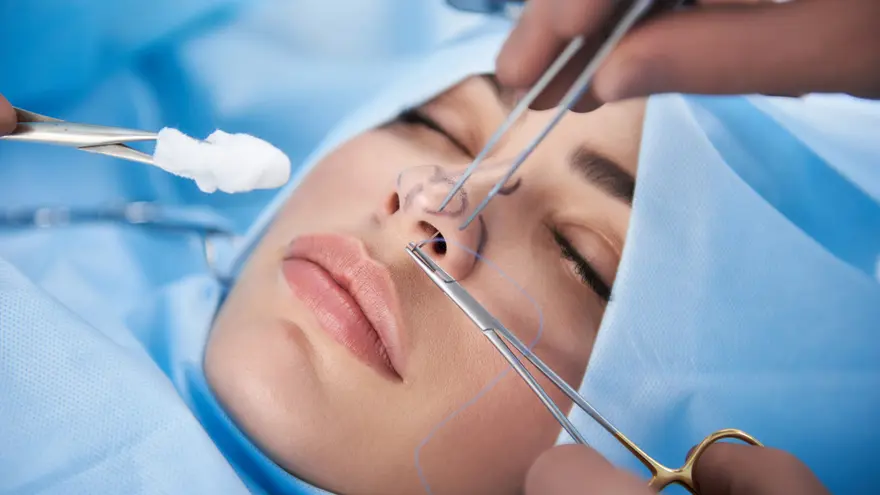
The Minor Revision Rhinoplasty procedure follows a structured and precise approach for optimal results:
Consultation and Assessment : Evaluation of prior surgical outcomes, nasal anatomy, and patient goals. Digital analysis identifies areas requiring correction.
Surgical Planning : Customized plan detailing tip, bridge, or cartilage modifications, including internal incision strategies for minimal scarring.
Minor Revision Rhinoplasty Procedure : Performed via internal incisions, enabling precise adjustments while maintaining nasal structure and minimizing tissue disruption.
Immediate Aftercare : Guidance on managing mild swelling, bruising, or congestion. Patients experience limited downtime and can resume light activities quickly.
Follow-Up and Healing : Structured post-operative visits monitor recovery, swelling reduction, and gradual contour improvement. Minor changes become fully apparent over several weeks.
Minor Revision Rhinoplasty Results, Safety, and Longevity
Minor Revision Rhinoplasty offers stable aesthetic and functional improvements with careful surgical planning. Adjustments to cartilage, nasal tip, and bridge are performed with precision to create balanced contours while preserving or enhancing breathing function. Surgeons carefully assess previous surgical changes to ensure refinements complement the existing nasal structure and facial harmony.
The procedure uses conservative, minimally invasive internal techniques, emphasizing patient safety and reduced recovery time. Most treatments are performed with focused corrections rather than extensive restructuring, allowing for controlled and predictable outcomes. Common side effects include mild swelling, bruising, or tenderness that typically resolve within a short recovery period. Serious complications are uncommon but may include infection, scar tissue formation, or delayed healing in rare cases.
Results are long-lasting but vary based on individual anatomy, tissue quality, and adherence to post-operative care instructions. Patients are advised to follow structured recovery guidance and attend follow-up evaluations to support optimal healing. While refinements are designed to be durable and natural-looking, specific outcomes cannot be guaranteed due to individual healing responses and surgical complexity.
Why Choose Kowon Plastic Surgery for Minor Revision Rhinoplasty?
Kowon Plastic Surgery specializes in targeted post-surgical nasal refinements, providing expert care for patients seeking subtle, precise adjustments.
Under the guidance of Dr. Kim Hyeongtaek, the clinic focuses on minimizing invasiveness while optimizing both aesthetic and functional outcomes. Personalized surgical planning ensures corrections are tailored to each patient’s unique anatomy.
Comprehensive care includes preoperative consultation, procedure execution, and post-operative guidance, supporting safe healing and predictable improvement. Patients experience a patient-centered approach emphasizing comfort, transparency, and effective communication.
Reasons patients choose Kowon Plastic Surgery:
◆ Expert team in minimally invasive revision rhinoplasty.
◆ Tailored surgical planning for aesthetic and functional refinement.
◆ Proven track record in post-rhinoplasty corrections.
◆ Supportive, patient-focused care throughout recovery.
Real Patient Examples of Minor Revision Rhinoplasty
Subtle Tip Refinement Patient, 30s
A patient in her 30s presented with mild nasal tip asymmetry following a previous rhinoplasty, which affected overall facial balance and profile harmony. After a detailed consultation and structural assessment, Minor Revision Rhinoplasty was performed to refine cartilage positioning and improve tip definition. The procedure focused on subtle internal adjustments to achieve a smoother, more symmetrical contour without altering the patient’s natural appearance. Post-procedure recovery was smooth, with minimal swelling and downtime. Over the following weeks, the nasal tip settled into a balanced, refined alignment that complemented the patient’s facial features. The patient reported increased confidence and satisfaction with the natural-looking enhancement and preserved nasal function.
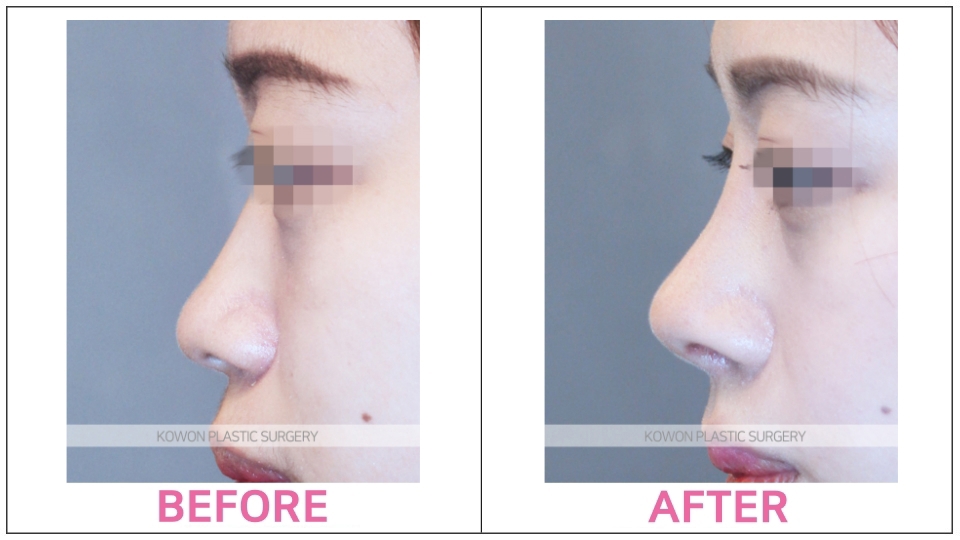
Minor Bridge Correction Patient, 40s
A patient in her 40s sought correction for mild dorsal irregularities that remained after a previous rhinoplasty. The uneven bridge contour was visible in both front and profile views, creating concerns about nasal symmetry and overall facial proportion. Following comprehensive evaluation, Minor Revision Rhinoplasty was recommended to smooth the bridge and refine alignment using conservative internal techniques. The targeted procedure focused on reshaping and smoothing the dorsal contour while maintaining structural support and breathing function. Recovery involved mild, temporary swelling that gradually resolved over time. As healing progressed, the nasal bridge appeared smoother and more balanced, enhancing facial harmony and restoring the patient’s confidence in her appearance.
-3dc005ef-a96f-49f2-8e97-38d74c4db7f7.jpg)
These examples demonstrate typical experiences with Minor Revision Rhinoplasty. Results vary by individual.
Take the Next Step with Minor Revision Rhinoplasty
Enhance your nasal harmony and correct prior surgical imperfections with Minor Revision Rhinoplasty at Kowon Plastic Surgery. Consult with Dr. Kim Hyeongtaek for personalized assessment, customized planning, and safe, minimally invasive refinement of nasal structure.
Book your consultation for Minor Revision Rhinoplasty today to address post-surgical nasal concerns, restore symmetry, and refine your nasal appearance with expert guidance.
Call +82262427080 our appointment desk to speak directly with our patient care team and schedule your personalized consultation with Dr. Kim Hyeongtaek.
Procedural Pathway
Phase 01
Diagnostic Assessment
A comprehensive anatomical evaluation is conducted to evaluate tissue structures, functional parameters, and individualized aesthetic harmony.
Schedule ConsultationPhase 02
Dedicated Aftercare
Post-treatment monitoring protocols and specialized recovery treatments ensure healthy wound healing, optimal stabilization, and longevity of results.
Explore Care ProtocolsCLINICAL EVALUATION
Candidate Assessment and Long-Term Advantages
Suitability for Minor Revision Rhinoplasty is determined through precise anatomical diagnosis and structural profiling. We evaluate both immediate tissue tolerance and prolonged aesthetic stability to ensure predictable, natural results.
INDICATIONS FOR PROCEDURE
01 / Structural Indications — Individuals presenting with anatomical asymmetry, functional compromise, or aesthetic disproportion addressable via Minor Revision Rhinoplasty.
02 / Tissue Resilience — Patients exhibiting sufficient cutaneous and osteocartilaginous integrity to support planned structural recontouring and sustainable healing.
03 / Procedural Clarity — Candidates possessing well-defined aesthetic expectations, documented medical stability, and commitment to the clinical recovery regimen.
SUSTAINED CLINICAL ADVANTAGES
Structural Permanence — Rigid internal fixation and conservative tissue manipulation ensure that post-operative contour harmony remains resilient over decades.
Natural Dynamic Harmony — Sculpting protocols honor organic anatomical movement, preventing postoperative stiffening or artificial tension across expressive facial zones.
Concealed Incision Vectors — Micro-surgical entry points follow relaxed skin tension lines, yielding imperceptible scar integration once tissue maturation completes.

PLATE 01 / Pre-operative anatomical mapping for Minor Revision Rhinoplasty. Surgical parameters are calibrated to each patient's individual skeletal symmetry and tissue density.
Schedule a Clinical Candidacy AssessmentSurgical Continuum
Integrated Clinical Procedures
Facial balance necessitates comprehensive structural assessment. Each procedure is designed to harmonize with adjacent anatomical contours, delivering refined proportion and enduring aesthetic integrity.
Clinical Consultation
Schedule a clinical evaluation for Minor Revision Rhinoplasty.
Diagnostic appointments at Kowon Plastic Surgery are conducted directly with our board-certified surgical team. We assess physiological structure, review clinical indications, and formulate individual surgical roadmaps.
1:1
Attending surgeon evaluation without delegate assessments.
45m
Dedicated anatomical diagnostic and protocol review window.
24h
Coordination response time for appointment confirmation.
Select your preferred consultation modality. Our clinical reception facilitates bilingual scheduling support for both domestic and overseas patients inquiring about Minor Revision Rhinoplasty.
International Patient Desk — Gangnam
Kowon Plastic Surgery
Director Dr. Kim Hyeongtaek
Single-surgeon rhinoplasty and autologous cartilage center in Seoul. Delivering meticulous, individual surgical architecture for primary and complex revision procedures.
Practice & Inquiries
Gangnam Clinic
2F, 110 Dosan-daero, Gangnam District, Seoul 06038, South Korea
Consultation Hours (KST)
Mon – Fri: 10:00 – 19:00
Sat: 10:00 – 16:00 · Sun & Holidays Closed
Direct Communication Channels
Telephone: +822-6242-7080WhatsApp: +1-206-809-1367LINE Official: @967xxmreWeChat Consultation Service© 2025 Kowon Plastic Surgery. All rights reserved.
Registered Medical Institution for Foreign Patient Facilitation (Medical Korea). Surgical consultation and procedure terms subject to Korean Ministry of Health and Welfare guidelines.