
Patient Education
What Not to Do Right After a Nose Job
"Discover what to avoid after a nose job for safe healing & best results. Follow these tips to protect your new look. Learn more today!"
Article
Published by Kowon Plastic Surgery, Gangnam, Seoul
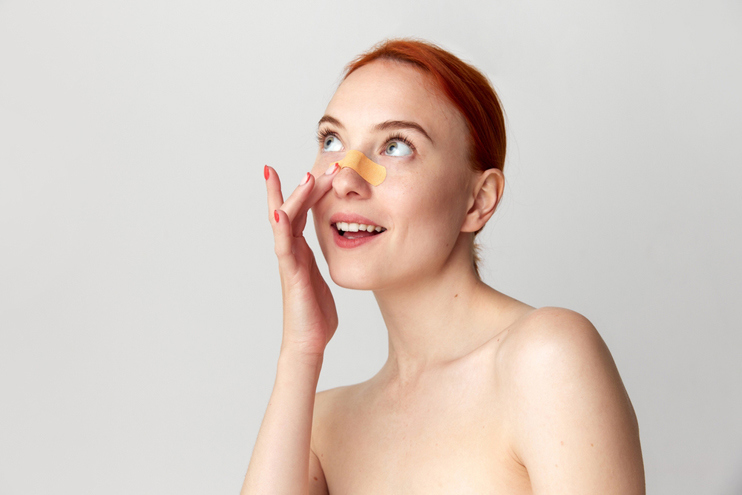
When patients walk out of the operating room after rhinoplasty, the surgery itself is only half the journey. The next stage — healing — is just as important in determining the final result. At Kowon Plastic Surgery in Gangnam, we often tell our patients, "Your nose is like a masterpiece in progress — it needs time, space, and the right conditions to take shape." The days and weeks after surgery can make the difference between a smooth recovery and avoidable setbacks.
Below, we’ll go in-depth on the most important things NOT to do right after a nose job — advice drawn from both surgical science and nearly two decades of hands-on patient care.
Don’t Touch, Press, or Blow Your Nose
In the first two weeks, your nose is extremely delicate. Any unnecessary pressure can shift cartilage, disrupt sutures, or cause bleeding. Patients sometimes underestimate how fragile the nasal structure is during this time — even a light bump can alter healing.
Why this matters:
Internal stitches and grafts need time to stabilize.
Blowing your nose can rupture healing blood vessels.
Pressure can lead to asymmetry or delayed swelling reduction.
Dr. Kim’s Tip: If you feel congested, try using a saline spray rather than blowing. Congestion after rhinoplasty is often due to swelling, not mucus — forcing air through can harm the surgical work.
Avoid Glasses (Including Sunglasses) Resting on Your Nose
Wearing glasses too soon after rhinoplasty can put unnecessary weight on your nasal bridge, potentially indenting the skin or shifting bone alignment.
Our recommendation:
Avoid resting glasses directly on the nose for at least 4–6 weeks.
If glasses are essential, use cheek supports or tape to hold them in place without contact.
At Kowon, we often remind patients: "Think of your nasal bridge as a freshly poured concrete walkway — any weight too soon can leave a mark that’s hard to erase."
Don’t Sleep on Your Side or Stomach
-dd248c1a-8310-4c60-b158-d7c5355cc9d5.jpg)
Sleeping position plays a surprisingly big role in rhinoplasty recovery. Side or stomach sleeping can put uneven pressure on your nose, leading to asymmetry, swelling, or discomfort.
Post-op best practice:
Sleep on your back with your head elevated 30–45 degrees for the first 1–2 weeks.
Use extra pillows or a wedge cushion to prevent rolling over.
Why elevation matters: Gravity helps minimize swelling and fluid buildup, especially during the early phase when tissues are most reactive.
Avoid Strenuous Exercise and Heavy Lifting
Your body needs energy to heal, and intense activity can spike blood pressure, increasing the risk of bleeding and swelling. We’ve seen cases where patients who returned to the gym too early experienced prolonged bruising or minor bleeding that set back recovery.
General guideline:
Light walking is fine after the first few days.
Avoid heavy lifting, cardio, or bending forward for at least 3–4 weeks.
At Kowon, we advise patients to reintroduce physical activity gradually, always listening to the body’s feedback.
Don’t Pick or Remove Nasal Splints/Tape Yourself
Post-surgery dressings, internal splints, or tape serve specific purposes — supporting nasal shape, reducing swelling, and keeping the septum stable. Removing them prematurely can compromise results.
Why to wait for professional removal:
Your surgeon will assess healing before taking them off.
Premature removal can reopen incisions or allow cartilage to shift.
We’ve had international patients try to "help" their recovery by removing tape early during travel — unfortunately, this often means we must redo supportive taping, which delays progress.
Avoid Smoking and Alcohol
-dc89eda5-8a34-47e3-bf08-cdfe7010acf6.jpg)
Both smoking and alcohol impair healing — smoking reduces blood flow, and alcohol increases swelling and bleeding risk.
Critical facts:
Nicotine delays oxygen delivery to healing tissues.
Alcohol thins the blood, making post-op bleeding more likely.
We recommend avoiding both for at least 3–4 weeks after surgery. This isn’t just about immediate healing — it’s about long-term scar quality and tissue stability.
Don’t Ignore Early Signs of Complications
Mild swelling, bruising, and numbness are normal after rhinoplasty. But certain symptoms — persistent bleeding, increasing pain, fever, or sudden asymmetry — require prompt medical attention.
At Kowon, we stress:
"If you’re unsure, don’t guess — call us."
Early intervention can prevent minor issues from becoming serious.
We offer remote follow-up for international patients, ensuring no concern goes unchecked.
Avoid Hot Showers, Steam Rooms, and Saunas
Heat causes blood vessels to dilate, increasing the risk of swelling and bleeding. Steam can also soften skin and disrupt adhesive dressings.
Safer approach:
Take lukewarm showers, keeping your face away from direct hot water.
Avoid saunas and steam rooms for at least 4–6 weeks.
This small precaution helps maintain the stability of grafts and reduce unnecessary swelling.
Don’t Expose Your Nose to Direct Sunlight
Freshly healing skin is more sensitive to UV rays, which can cause prolonged redness or pigmentation changes.
Prevention tips:
Avoid direct sun exposure for at least 2–3 months.
Wear a wide-brimmed hat when outdoors.
We tell patients to think of their post-op nose like delicate silk — sunlight can damage its texture and color before it’s fully ready.
Don’t Rush to Judge Your Results
This is perhaps the most overlooked "don’t." Swelling can mask your final nasal shape for months, especially in the tip area.
Realistic timeline:
Initial swelling improves in 2–3 weeks.
Refined definition can take 6–12 months.
As Dr. Kim often says, "Your nose will go through many phases before it settles into its true form. Patience is part of the process."
Why These Precautions Matter at Kowon
At Kowon Plastic Surgery, our philosophy is precision over volume. We limit daily surgeries so each patient receives focused care, not just during the operation but throughout recovery. By following these guidelines — avoiding certain actions, protecting your healing nose, and respecting the timeline — you’re giving our surgical work the best possible chance to shine.
For patients traveling from overseas, we provide detailed post-op instructions in English and Korean, plus digital check-ins to ensure your recovery stays on track, wherever you are.
Final Takeaway
If you’ve invested in rhinoplasty — whether for cosmetic refinement, functional improvement, or complex revision — your role in healing is just as important as your surgeon’s role in shaping. Avoiding the ten mistakes above can protect your results and reduce the risk of revision surgery.
If you’re unsure about any post-op symptom or activity, contact your clinic immediately. And if you’re seeking a surgeon-led, safety-focused approach to primary or revision rhinoplasty, especially implant-free or rib cartilage-based procedures, Kowon Plastic Surgery in Seoul is here to guide you every step of the way.
Medical Information
Read this article as general guidance.
- This article is provided for general education. It does not replace an in-person examination by a qualified surgeon.
- Results vary between patients. Rhinoplasty can involve bleeding, infection, scarring, asymmetry, breathing changes, graft or implant problems and the possibility of revision surgery.
- Computer simulations and before-and-after photographs cannot guarantee an individual outcome.
- Any prices or timelines mentioned are general. Request an individualised, itemised written quotation and a procedure-specific recovery schedule before paying a deposit or booking travel.
Published by
Kowon Plastic Surgery
A rhinoplasty-focused clinic in Gangnam, Seoul, led by Dr. Kim Hyeongtaek and registered with Medical Korea to treat international patients.
Consultation
Questions about this topic? Ask Dr. Kim directly.
2F, 110 Dosan-daero, Gangnam-gu, Seoul 06038. Send clear photographs, your main concerns and any previous surgery history, and Dr. Kim Hyeongtaek will review what can be assessed before you travel.
International Patient Desk — Gangnam
Kowon Plastic Surgery
Director Dr. Kim Hyeongtaek
Single-surgeon rhinoplasty and autologous cartilage center in Seoul. Delivering meticulous, individual surgical architecture for primary and complex revision procedures.
Practice & Inquiries
Gangnam Clinic
2F, 110 Dosan-daero, Gangnam District, Seoul 06038, South Korea
Consultation Hours (KST)
Mon – Fri: 10:00 – 19:00
Sat: 10:00 – 16:00 · Sun & Holidays Closed
Direct Communication Channels
Telephone: +822-6242-7080WhatsApp: +1-206-809-1367LINE Official: @967xxmreWeChat Consultation Service© 2025 Kowon Plastic Surgery. All rights reserved.
Registered Medical Institution for Foreign Patient Facilitation (Medical Korea). Surgical consultation and procedure terms subject to Korean Ministry of Health and Welfare guidelines.