
Patient Education
Silicone Nose Implants in Seoul | Kowon Plastic Surgery
Discover how silicone implants can refine your nose shape with lasting, natural-looking results at Kowon Plastic Surgery in Seoul.
Article
Published by Kowon Plastic Surgery, Gangnam, Seoul
How Silicone Nose Implants Can Refine Your Profile in Seoul
Rhinoplasty has evolved, and in Seoul, silicone implants are helping patients achieve precision enhancements without the need for graft harvesting. Unlike injectable fillers or cartilage transplants, silicone implants offer a lasting, sculptable solution for reshaping the nose.
"Patients often come in wanting to elevate their bridge or sharpen their nasal tip," says Dr. Kim Hyung Taek, lead surgeon at Kowon Plastic Surgery. "Silicone gives us a reliable and flexible material to achieve these outcomes with minimal downtime."
What Are Silicone Implants in Nose Surgery?
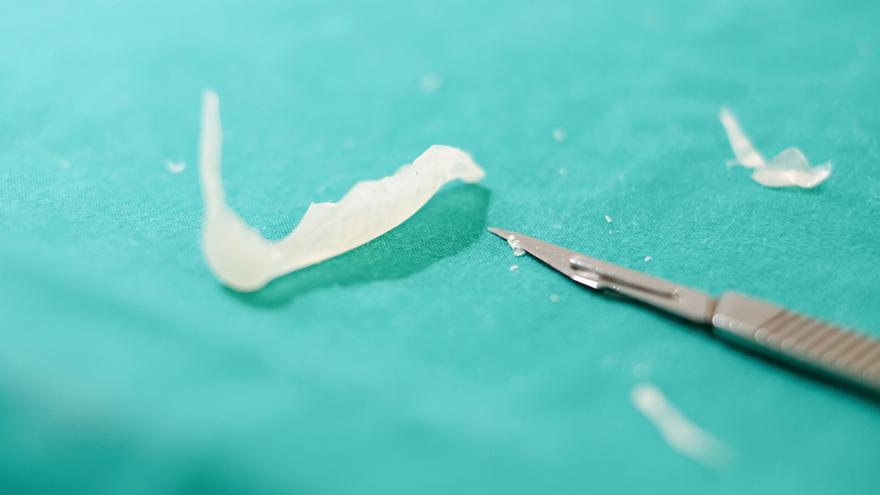
Silicone nose implants are medical-grade devices designed to improve the shape and structure of the nose. Popular across Asia for their consistency and permanence, these implants are pre-formed but customizable, allowing surgeons to tailor them precisely to a patient’s facial balance.
Made from inert, biocompatible silicone, these implants are engineered to mimic the firmness and flexibility of nasal cartilage. This allows them to blend seamlessly with natural tissue, giving the appearance and tactile sensation of a real nose. They are available in standard configurations—such as L-shaped and I-shaped implants—but can also be sculpted during surgery for a perfect fit.
Unlike fillers, which are temporary, or autologous cartilage grafts, which require harvesting from ribs or ears, silicone implants are placed through small, hidden incisions—often inside the nostrils. The result is a more contoured nose with no visible scarring and durable results.
How They Enhance the Nose Shape
Silicone implants are particularly well-suited for patients with lower nasal bridges or under-projected tips—common concerns among East Asian populations. They can:
Elevate a flat nasal bridge for a more pronounced profile
Refine or project the nasal tip to create balance
Smooth out asymmetries, dips, or humps
Restore shape in post-trauma or revision cases
One patient, a 27-year-old from Tokyo, noted after her surgery, "It looked like my nose always belonged this way—natural but noticeably better."
Dr. Kim emphasizes that the best results come when implants are chosen to match each individual's skin thickness, nasal base width, and facial angles. "A one-size-fits-all approach doesn't work," he explains. "Proper sizing and orientation are critical for both aesthetics and function."
Key Benefits of Silicone Implants
1. Predictable Results: Because silicone doesn’t absorb or warp, it retains its shape over time. Surgeons can sculpt with confidence, knowing the results will remain stable.
2. Long-Term Stability: Most patients retain their implants for decades without needing maintenance or replacement, though routine check-ins are advised to monitor outcomes.
3. Biocompatibility: Medical-grade silicone has a long history of use in implants, with low rates of rejection or chronic inflammation.
4. Minimally Invasive Placement: Surgeons can insert implants through incisions inside the nostrils, avoiding external scarring. This approach reduces healing time and visible signs of surgery.
5. Customization: Available in various shapes and sizes, implants can be trimmed and contoured intraoperatively to match each patient’s aesthetic goals and anatomical needs.
6. Cost-Effectiveness: In contrast to cartilage grafting procedures that require longer operative times and hospital stays, silicone implants typically involve shorter, outpatient surgeries with lower overall costs.
Inside the Procedure at Kowon Plastic Surgery
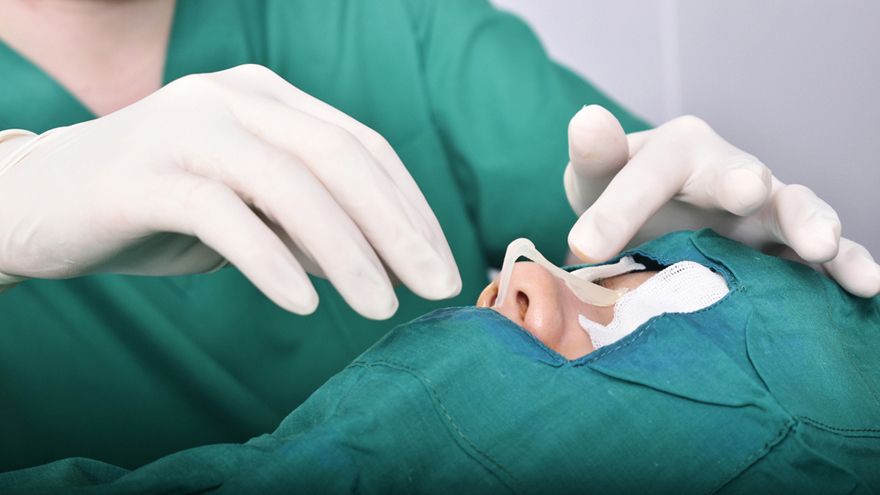
Kowon Plastic Surgery follows a meticulous protocol for silicone implant rhinoplasty:
Consultation: Dr. Kim evaluates facial structure and nasal anatomy using 3D imaging and photometric analysis. Patients discuss their goals and view potential outcomes via digital morphing tools, enabling shared decision-making.
Surgery: Dr. Kim begins by making a small, carefully placed incision—either endonasal or at the columella—and then creates a precise subperiosteal pocket. A silicone implant is inserted and meticulously adjusted to achieve optimal shape and balance. Each adjustment is performed with careful consideration of nasal airflow and skin thickness, helping to minimize the risk of long-term issues such as pressure necrosis or implant visibility.
Recovery: Patients typically return home the same day. Swelling peaks around 72 hours post-op and subsides significantly within two weeks. Nasal splints may be worn for 5–7 days, and sutures are removed after 7–10 days.
What to Expect During Recovery
Recovery after silicone implant rhinoplasty is typically smoother than with cartilage graft surgeries, but post-operative care is essential for optimal outcomes:
Days 1–3: Swelling and minor bruising are expected. Ice packs, elevation, and rest help minimize discomfort.
Week 1: Most bruising resolves. Light activities can resume, but patients should avoid bending or pressure on the nose.
Weeks 2–4: The nose continues to settle. Most patients can return to full-time work and social events by week two.
Months 3–6: Final contours become visible as residual swelling fades.
Months 6–12: Implant fully integrates with surrounding tissues. Final evaluation typically occurs at the 12-month mark.
Dr. Kim encourages follow-up visits at 1 week, 1 month, 3 months, 6 months, and 1 year to ensure smooth healing and patient satisfaction.
Are There Risks?
While the procedure is safe, patients should be informed about potential risks:
Infection: Rare when performed in sterile settings. Prophylactic antibiotics are prescribed.
Displacement: More likely if patients bump their nose during healing. Patients are advised to avoid glasses and contact sports for 6–8 weeks.
Implant visibility: In patients with very thin skin, the implant may become visible over time. Custom shaping and choosing softer silicone can mitigate this risk.
Asymmetry or dissatisfaction: Though rare, minor revisions may be needed if the nose settles unevenly.
Dr. Kim notes, "Complications are most often linked to improper sizing, shallow placement, or lack of post-op compliance. We mitigate this with patient education and tailored implant choices."
Silicone vs. Other Augmentation Options
Method | Pros | Cons |
|---|---|---|
Silicone Implants | Permanent, no graft needed, customizable | Slight risk of shifting or visibility |
Rib/Ear Cartilage | Natural tissue, less visible in thin skin | Requires donor site surgery and longer healing |
Fillers | Non-surgical, instant results | Temporary (6–12 months), not for major reshaping |
Patients are advised to choose based on their aesthetic goals, medical history, and the complexity of their case. Silicone works well for primary augmentation, while cartilage is often reserved for revision or reconstruction.
Who Is a Good Candidate?
Ideal candidates include:
Adults with fully developed nasal structures
Those desiring bridge elevation or tip refinement
Individuals with realistic goals and good general health
Patients with no history of silicone allergy or chronic nasal inflammation
Dr. Kim conducts a thorough pre-op assessment including nasal airflow analysis, skin evaluation, and patient medical history review to determine candidacy.
Why Patients Choose Kowon Plastic Surgery
1. Reputation: Known throughout South Korea and internationally for advanced rhinoplasty techniques and high patient satisfaction.
2. Experience: Dr. Kim brings over 19 years of experience, including thousands of rhinoplasty cases and specialized training in facial plastic surgery.
3. International Patient Support: English-speaking staff, airport transfers, hotel partnerships, and virtual consultations streamline the process for medical tourists.
4. Advanced Tools: From 3D simulations to intraoperative navigation, technology enhances precision and communication throughout the patient journey.
5. Personalized Aesthetics: Dr. Kim emphasizes subtle changes that enhance natural beauty, rather than dramatic transformations.
"Our goal is to deliver results that feel like a natural enhancement—not an obvious change," says Dr. Kim. "We listen carefully and approach each case as a unique aesthetic puzzle."
Post-Surgery Tips to Preserve Your Results
Avoid trauma or direct pressure on the nose for 6–8 weeks
Sleep with the head elevated for the first 1–2 weeks
Refrain from smoking, which can impair healing
Use SPF on the nose to prevent pigmentation changes
Avoid glasses unless specially supported or approved by your surgeon
Follow all post-op care instructions carefully
Routine check-ins ensure that the implant is healing correctly and that any concerns are addressed promptly.
Growing Global Appeal

Silicone implant rhinoplasty is particularly popular among patients from East and Southeast Asia, but demand is rising among Western patients seeking subtle ethnic enhancements without graft harvesting.
Kowon Plastic Surgery has seen a steady increase in international patients from the U.S., Europe, and the Middle East. Many cite reasons such as:
Superior cost-to-quality ratio in Seoul
Advanced surgical artistry and minimal scarring techniques
High standards of safety and cleanliness
For many patients, combining surgery with travel makes the experience both transformative and culturally enriching.
FAQs
Will it feel like plastic in my nose? No. Once healed, most patients say their nose feels completely natural, both in sensation and appearance.
Can the implant shift? Yes, though it’s uncommon. Patients should follow post-op instructions to avoid trauma, especially in the first 6 weeks.
Can I remove the implant later? Yes. Implants can be removed or revised if needed, though most patients are satisfied with long-term results.
Is there an age limit for this procedure? Candidates should be over 18, with a fully developed nose. There is no upper age limit if the patient is in good health.
Is silicone safe? Medical-grade silicone used in rhinoplasty is well-documented and has been used safely for decades.
Medical Information
Read this article as general guidance.
- This article is provided for general education. It does not replace an in-person examination by a qualified surgeon.
- Results vary between patients. Rhinoplasty can involve bleeding, infection, scarring, asymmetry, breathing changes, graft or implant problems and the possibility of revision surgery.
- Computer simulations and before-and-after photographs cannot guarantee an individual outcome.
- Any prices or timelines mentioned are general. Request an individualised, itemised written quotation and a procedure-specific recovery schedule before paying a deposit or booking travel.
Published by
Kowon Plastic Surgery
A rhinoplasty-focused clinic in Gangnam, Seoul, led by Dr. Kim Hyeongtaek and registered with Medical Korea to treat international patients.
Consultation
Questions about this topic? Ask Dr. Kim directly.
2F, 110 Dosan-daero, Gangnam-gu, Seoul 06038. Send clear photographs, your main concerns and any previous surgery history, and Dr. Kim Hyeongtaek will review what can be assessed before you travel.
International Patient Desk — Gangnam
Kowon Plastic Surgery
Director Dr. Kim Hyeongtaek
Single-surgeon rhinoplasty and autologous cartilage center in Seoul. Delivering meticulous, individual surgical architecture for primary and complex revision procedures.
Practice & Inquiries
Gangnam Clinic
2F, 110 Dosan-daero, Gangnam District, Seoul 06038, South Korea
Consultation Hours (KST)
Mon – Fri: 10:00 – 19:00
Sat: 10:00 – 16:00 · Sun & Holidays Closed
Direct Communication Channels
Telephone: +822-6242-7080WhatsApp: +1-206-809-1367LINE Official: @967xxmreWeChat Consultation Service© 2025 Kowon Plastic Surgery. All rights reserved.
Registered Medical Institution for Foreign Patient Facilitation (Medical Korea). Surgical consultation and procedure terms subject to Korean Ministry of Health and Welfare guidelines.