
Patient Education
Rib Cartilage Vs Ear Cartilage Rhinoplasty Korea
Deciding between rib cartilage vs ear cartilage rhinoplasty? Dr. Kim Hyeong Taek explains the best graft for your nose job in Korea. Book a consultation today.
Article
Published by Kowon Plastic Surgery, Gangnam, Seoul
Introduction
When planning your procedure in Seoul, the choice between rib cartilage vs ear cartilage rhinoplasty is critical for long term results. Many patients from major American cities like Los Angeles, New York City, or Chicago travel to South Korea specifically for the advanced surgical techniques available here. Choosing the right material for your nasal structure is the foundation of a successful transformation. At Kowon Plastic Surgery Clinic, we see many patients who are unsure which cartilage will suit their needs. Some seek a primary surgery for a more refined look while others require a revision to fix issues from a previous operation. Understanding the nuances of rib cartilage vs ear cartilage rhinoplasty allows you to make an informed decision that aligns with your aesthetic goals and your health. This comprehensive guide explores every aspect of these two popular autologous grafting options.
For many patients in cities like New York or Los Angeles, the quest for the perfect profile leads them across the globe to Seoul. You may have noticed your nasal tip dropping over time or perhaps you are seeking a revision for a previous surgery that did not meet your expectations. The emotional weight of a second or third surgery can be significant. Patients often worry about the longevity of their results and whether the new shape will look natural or obviously operated upon. This is where the choice of grafting material becomes the most important conversation you will have with your surgeon. The biggest dilemma often is not whether to get surgery but which material will ensure your nose remains beautiful and structurally sound for decades. Rebecca, like many of our international patients, faces the confusing choice between the softness of ear cartilage and the robust support of rib cartilage.
In this article, we will cover the structural differences between costal and auricular grafts. We will explain why Korea and specifically Kowon Clinic is a global leader in autologous techniques. You will learn how to choose the right graft based on your primary or revision needs. We also detail the complete patient journey from the USA to Seoul. As a board certified surgeon who has performed over two hundred rhinoplasty procedures annually for more than twenty years, Dr. Kim Hyeong Taek provides expert guidance on autologous grafting techniques that have redefined natural results in Korean plastic surgery. We believe in total transparency and education. By the time you finish reading this guide, you will have a clear understanding of which path is right for your unique anatomy.
Modern medical content creation often involves the role of AI in clinic medical articles to ensure that the information is structured logically and stays current with the latest SEO standards. At Kowon Plastic Surgery, we utilize advanced tools to help with research and content structure, ensuring that the complex medical details regarding rib cartilage vs ear cartilage rhinoplasty are accessible to a general audience. This allows our clinical team to focus on medical accuracy and patient safety while providing you with a reading experience that is informative and clear. Accuracy and medical review remain our top priorities in every piece of content we share with our global community.
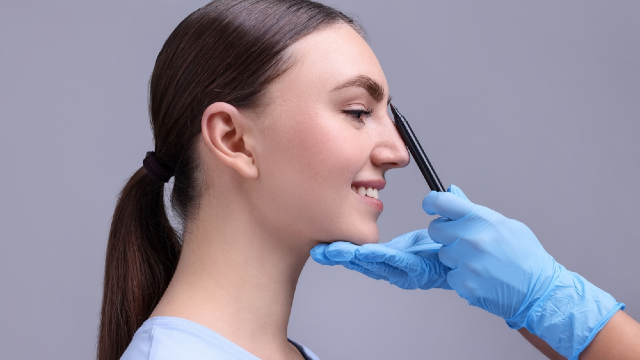
Understanding The Basics Of Rib Cartilage Vs Ear Cartilage Rhinoplasty
Before diving into the specifics, it is important to define what we mean by autologous grafts. In the world of Seoul plastic surgery, an autologous graft refers to tissue taken from your own body. This is widely considered the best graft rhinoplasty Korea specialists recommend because it virtually eliminates the risk of rejection or severe allergic reactions associated with synthetic materials like silicone or Gore Tex. When we discuss rib cartilage vs ear cartilage rhinoplasty, we are comparing two of the most reliable sources of your own tissue. Both have been used for decades to reshape the bridge and tip of the nose, but they serve very different structural purposes.
The choice of material depends heavily on the existing state of your nasal anatomy. If you have plenty of septal cartilage remaining, your surgeon might use a combination of materials. However, many patients, especially those seeking more significant projection, will find that their septal cartilage is insufficient. This is when the discussion shifts to the ear or the rib. In Korea, the philosophy of rhinoplasty has moved away from high, unnatural implants toward a more refined, biological approach. This transition ensures that the nose not only looks good on the day the cast comes off but also remains stable as the patient ages.
What Is Auricular Or Ear Cartilage?
Auricular cartilage, commonly known as ear cartilage, is a popular choice for many primary rhinoplasty cases. This cartilage is harvested from the bowl of the ear, specifically the cavum and cymba concha. One of the primary benefits of this material is its elastic nature. It is naturally curved and soft, which makes it an excellent choice for shaping the nasal tip. When a patient wants a soft, natural looking tip that feels like real tissue, ear cartilage is often the first choice.
The harvesting process for ear cartilage is relatively simple and quick. It involves a small incision behind the ear or inside the ear fold, making the resulting scar almost invisible. Because the cartilage is elastic, it can be layered or shaped to add subtle volume. However, because it is soft, it lacks the extreme structural strength required to support a very heavy or high nasal bridge. It is best suited for refinement rather than total reconstruction. Many patients choose this option because the recovery at the donor site is very fast and involves minimal discomfort.
What Is Costal Or Rib Cartilage?
Costal cartilage, or rib cartilage, is the heavyweight of nasal grafting materials. It is harvested from the sixth or seventh rib through a small incision just below the chest. While the idea of harvesting from the rib may sound daunting to some, it provides an abundant supply of strong, straight, and durable material. This is particularly useful for patients who need significant structural support, such as those with a collapsed nasal bridge or those seeking a dramatic increase in projection.
Rib cartilage is the preferred choice for revision rhinoplasty because it provides the volume that is often missing after previous surgeries. Unlike ear cartilage, rib cartilage is rigid and can be carved into precise shapes to create a strong foundation for the entire nose. This material is incredibly versatile. It can be used to create a strong nasal bridge, a projected tip, and even structural struts to keep the airways open. For patients from the USA who may have had previous surgeries that left them with structural issues, rib cartilage is often the only material capable of providing a long term solution.
Why The Best Graft Rhinoplasty Korea Offers Is Autologous
At Kowon Plastic Surgery Clinic, we prioritize autologous materials over synthetic implants whenever possible. The best graft rhinoplasty Korea offers today is one that integrates seamlessly with your own body. Synthetic implants, while easy to use, carry a higher risk of thinning the skin over time, leading to visibility of the implant or even protrusion. They also have a higher risk of infection, especially in revision cases where the tissue may already be compromised.
Using your own tissue from the rib or ear ensures that the body recognizes the graft as its own. Over time, the graft becomes a living part of your nose. This biological integration is the key to longevity. When comparing rib cartilage vs ear cartilage rhinoplasty, both options provide this high level of safety. The decision then rests on how much material is needed and what kind of physical properties the surgeon needs to achieve the desired look. By choosing autologous grafts, you are investing in a result that is designed to last a lifetime without the complications often seen with foreign materials.
The Role Of Ear Cartilage In Primary Rhinoplasty
For many patients undergoing their first nose job, the primary goal is a subtle yet impactful improvement. They want to look like a better version of themselves without it being obvious that they had surgery. Ear cartilage plays a vital role in achieving this "natural" look. In the context of rib cartilage vs ear cartilage rhinoplasty, the ear is often the preferred starting point for primary cases where the septal cartilage is either small or already being used for internal support.
Ear cartilage is particularly praised for its ability to mimic the natural feel of the nasal tip. The tip of a human nose is naturally somewhat flexible and soft. Using a rigid material for the tip can sometimes lead to a "stiff" appearance or feel. Ear cartilage avoids this issue. It allows for a degree of flexibility that many patients find desirable. This is a common preference for our patients in NYC and Los Angeles, who often favor a sophisticated, understated aesthetic over a dramatic or "plastic" look.
Ideal Candidates For Ear Cartilage Grafts
The ideal candidate for an ear cartilage graft is someone seeking moderate refinement of the nasal tip or bridge. If the patient has a relatively good nasal structure but wants to address a bulbous tip or a slight lack of projection, ear cartilage is an excellent tool. It is also suitable for those who are concerned about the recovery time associated with rib harvesting. Because the ear donor site heals so quickly, it is a very convenient option for international travelers.
We often think of the Rebecca Chen persona when recommending ear cartilage. This is a patient who values a natural appearance and wants a procedure that enhances her existing features. She may be worried about a "surgical" look and prefers the idea of using a softer material that blends in perfectly. For these patients, the ear provides just enough material to create a beautiful, refined tip without the need for a more intensive rib harvest.
How Cartilage Type Nose Surgery Affects Tip Projection
The type of cartilage used has a direct impact on how far the nasal tip can be projected. This is a crucial consideration in cartilage type nose surgery. Ear cartilage, while flexible and natural feeling, has its limits. If you try to use it to create an extremely high or sharp tip, it may lack the necessary strength to maintain that shape against the tension of the nasal skin. Over time, a tip supported only by ear cartilage may slightly rotate or lose some of its initial projection if the skin is very thick or heavy.
Dr. Kim Hyeong Taek uses a specialized approach to maximize the potential of ear cartilage. He often uses it in conjunction with septal cartilage to create a multi layered support system. By carefully stacking and suturing the ear cartilage, he can achieve impressive results that still feel soft and natural. However, he is always honest with patients if their goals exceed what ear cartilage can realistically provide. If a patient wants a very high, sharp, and "doll like" nose, he may suggest moving toward a rib graft to ensure the results are stable and long lasting. This expert guidance is why many consider our clinic to have the best graft rhinoplasty Korea can provide.
The Power Of Rib Cartilage For Structural Excellence
While ear cartilage is the choice for softness and primary refinement, rib cartilage is the choice for power and reconstruction. In the discussion of rib cartilage vs ear cartilage rhinoplasty, the rib is often highlighted for its unmatched structural integrity. For patients who have very flat bridges or those who have lost nasal height due to trauma or previous failed surgeries, rib cartilage provides the necessary scaffolding to rebuild the nose from the ground up.
The abundance of material provided by a rib harvest cannot be overstated. While you only have a small amount of cartilage in each ear, a single rib harvest can provide enough material to reconstruct the entire bridge, tip, and internal valves. This makes it the absolute gold standard for complex cases. It allows the surgeon to be creative and precise without the fear of running out of grafting material mid surgery.
Why Rib Cartilage Is The Ultimate Building Block
The strength of rib cartilage is its greatest asset. It is a dense, hard tissue that can withstand the pressure of tight nasal skin. This is particularly important for patients with thick skin, common among many of our Asian and Hispanic patients from cities like Houston and Phoenix. Thick skin requires a very strong underlying frame to show any definition. Ear cartilage often gets "smothered" by thick skin, but rib cartilage has the strength to push through and create a clear, defined shape.
In addition to its strength, rib cartilage is straight. This makes it perfect for creating a smooth, even nasal bridge. When carved by an expert like Dr. Kim, rib cartilage can be transformed into a sleek implant that looks and feels like a natural bone structure. It provides a level of definition that is difficult to achieve with softer materials. For those seeking a significant transformation, rib cartilage is the ultimate building block for a successful outcome.
Addressing The Warping Concern In Costal Cartilage
One common concern that patients find when researching rib cartilage vs ear cartilage rhinoplasty is the risk of "warping." Because rib cartilage is a living tissue with internal memory, it can sometimes curve or bend slightly as it settles in its new location. This was a major issue in the early days of rib grafting, but modern techniques have largely solved this problem.
Dr. Kim Hyeong Taek employs a unique technique to prevent warping. He uses a method called "concentric carving," where he takes the graft from the center of the rib where the forces are most balanced. He also "ages" the graft during the surgery by placing it in saline to see if any initial bending occurs before it is inserted into the nose. Furthermore, he often uses a multi layered carving technique to cancel out internal tensions. This level of precision is why our patients experience extremely low rates of warping, ensuring their new profile stays straight and true for years to come.
Below is a comparison of the typical strengths found in various autologous grafts used in Seoul plastic surgery:
Cartilage Type | Relative Strength | Available Volume | Primary Aesthetic Purpose |
|---|---|---|---|
Ear Cartilage | Low to Moderate | Very Limited | Soft tip contouring and minor refinements |
Septal Cartilage | Moderate to High | Limited to None | Basic structural support and minor straight extensions |
Rib Cartilage | Extremely High | Abundant | Major structural builds, significant bridge elevation, and complex revisions |
Head To Head: Costal Cartilage Vs Auricular Cartilage Nose Job

When we put these two options side by side, the choice between a costal cartilage vs auricular cartilage nose job becomes clearer based on your specific goals. While both are excellent, they are tools designed for different jobs. The ear is for the artist who needs a soft touch, while the rib is for the architect who needs a strong foundation.
One of the key differences is the harvesting site. For an ear graft, the incision is very discreet and the recovery is almost immediate. For a rib graft, there is a small incision on the chest, and there may be some soreness when laughing or coughing for the first week. However, for many patients, this temporary discomfort is a small price to pay for the superior results that rib cartilage can offer in terms of height and definition.
Comparison Of Strength, Longevity, and Feel
When comparing these two, we look at several factors:
Strength: Rib cartilage is significantly stronger than ear cartilage. If your nose needs a lot of "lifting" or if your skin is very heavy, rib is the superior choice. Ear cartilage is better for "filling" and soft shaping.
Longevity: Both are your own tissue and will last a lifetime. However, because ear cartilage is softer, it has a slightly higher absorption rate in some patients over many decades. Rib cartilage is extremely stable and tends to maintain its volume and shape very well over time.
Feel: Ear cartilage feels very much like the natural tip of a nose. It is flexible and soft. Rib cartilage feels more like the nasal bridge bone. It is firm and stationary. Most patients find that a combination of both or a well carved rib graft feels perfectly natural once the healing process is complete.
Performance Feature | Ear Auricular Cartilage | Rib Costal Cartilage |
|---|---|---|
Structural Strength | Soft and flexible with high elasticity | Extremely rigid with maximum load support |
Harvesting Duration | Approximately 10 to 15 minutes | Approximately 30 to 45 minutes |
Donor Site Incision | Hidden behind the ear or inside the rim crease | 1 to 2 centimeters along the infra-mammary crease |
Long Term Longevity | High stability but subject to minor compression | Maximum stability with permanent framework survival |
Natural Tactile Feel | Extremely soft and completely flexible | Rigid and firm, anchoring the nose securely |
Absorption Rates Over Twenty Years
One of the most important questions patients ask about rib cartilage vs ear cartilage rhinoplasty is how the nose will look in twenty years. Dr. Kim Hyeong Taek has been observing his patients for over two decades, giving him a unique long term perspective. He has noted that while all autologous grafts undergo some very minor degree of absorption as part of the natural aging process, the rates are generally very low.
Ear cartilage, being more elastic and less dense, can sometimes show more compression over twenty years, especially if it was used to support a high tip. Rib cartilage, due to its density, tends to be more resistant to this compression. This is why Dr. Kim often recommends rib cartilage for patients who want a permanent, high projection result. By choosing a material that matches the structural demands of the new nose shape, he ensures that the beauty of the surgery is preserved for the long haul.
Choosing A Costal Cartilage Vs Auricular Cartilage Nose Job For Revision
Revision rhinoplasty is a specialized field that requires even more care than primary surgery. Often, in a revision case, the patient’s septal cartilage has already been used or damaged. The nasal skin may also be scarred or thinner than before. In these cases, the choice of a costal cartilage vs auricular cartilage nose job is almost always decided in favor of the rib.
The rib provides the massive structural support needed to overcome internal scarring and "shrink wrap" contracture that can occur after multiple surgeries. It gives the surgeon the power to push the tissue back into a healthy, aesthetic position. While ear cartilage can be used in some minor revisions, rib cartilage is the reliable choice for ensuring this is the final surgery the patient ever needs. Dr. Kim’s expertise in revision rhinoplasty has made Kowon Clinic a sanctuary for patients from across the USA who are looking for a definitive fix for their nasal concerns.
The Kowon Technique: Customizing Your Result
At Kowon Plastic Surgery, we believe that every nose should be as unique as the person wearing it. We do not believe in a one size fits all approach. This is why the choice between rib cartilage vs ear cartilage rhinoplasty is just the beginning of the customization process. Dr. Kim Hyeong Taek uses his twenty years of experience to tailor every aspect of the procedure to the patient’s facial proportions and ethnic background.
For our international patients, we understand that the journey starts long before you arrive in Seoul. We offer comprehensive support to ensure that your surgical plan is clear and that your expectations are managed correctly. Our use of modern technology allows us to bridge the distance between our clinic in Korea and your home in the USA.
Precise Surgical Planning For US Patients
Patients from NYC, LA, or Chicago can take advantage of our virtual consultation process. This is where we begin the discussion of rib cartilage vs ear cartilage rhinoplasty. By reviewing high quality photos and your medical history, Dr. Kim can provide an initial recommendation on which graft is most likely to achieve your goals.
We also take into account the differences in skin thickness. Western patients often have thinner nasal skin than Asian patients, which means the grafting material must be carved with even more precision to avoid visibility. Conversely, patients with very thick skin need the extra "push" that only rib cartilage can provide. Dr. Kim’s ability to work with a diverse range of skin types is a hallmark of his practice and a reason why so many international patients trust his hands.
Minimizing The Donor Site Scar
A common fear among patients considering rib cartilage is the scar left at the donor site. Dr. Kim Hyeong Taek has refined his harvesting technique to be as minimally invasive as possible. He typically uses a tiny incision of only one to two centimeters, hidden in the natural fold under the breast. Over time, this scar fades significantly and becomes nearly impossible to see.
For ear cartilage, the incision is even smaller and is usually hidden behind the ear or in a natural crease. We also use advanced pain management protocols to ensure that the donor site is not a source of significant stress during your recovery. Our goal is to make the entire process as smooth and comfortable as possible, allowing you to focus on your new look and your time in the beautiful city of Seoul.
Recovery And Long Term Care
Recovery is a vital phase of the rib cartilage vs ear cartilage rhinoplasty journey. For international patients, planning your return flight is a key logistical detail. Generally, we recommend staying in Seoul for at least ten to fourteen days. This allows us to monitor your early healing, remove any stitches or casts, and ensure you are fit to fly back to the USA.
The recovery process differs slightly depending on the graft used. Patients who have an ear cartilage graft often feel "back to normal" much faster in terms of physical activity. Those who have a rib cartilage graft may need to avoid heavy lifting or intense core exercises for a few extra weeks to allow the chest wall to heal completely. However, the nose itself heals at a similar rate regardless of the graft type.
Timeline: From Seoul Surgery To NYC Return
Here is a typical timeline for our international patients:
Day 1: Surgery day. Most patients stay in our recovery area for a few hours before returning to their hotel.
Day 2 to 3: Some swelling and bruising are normal. We recommend light walking around the Gangnam area to improve circulation.
Day 7: The external cast is removed. This is the first "big reveal," although swelling will still be present.
Day 10 to 14: Final checkup with Dr. Kim and departure for your flight back to the USA.
Most patients find that by the time they land back in New York or Los Angeles, they look like they have just had a minor facial treatment rather than major surgery. The initial results are visible, but the true refinement will continue to appear over the next six to twelve months.
Managing Donor Site Recovery
Proper care of the donor site is essential for a good result. For the ear, this simply means keeping the area clean and avoiding pressure on that side while sleeping. For the rib, we provide a specialized post operative wrap that provides support and comfort to the chest area.
Comparing the two, the rib donor site requires a bit more attention in the first few days. We advise patients to move gently and use pillows to prop themselves up while sleeping. Dr. Kim’s refined techniques mean that most patients report only a dull ache, similar to a muscle strain, which is easily managed with the medication we provide. "Patients often fear the rib harvest more than the nose surgery itself, but with our refined techniques, most patients are walking comfortably within twenty four hours," says Dr. Kim Hyeong Taek.
Why Choose Kowon Plastic Surgery Clinic For Rhinoplasty

Choosing where to have your surgery is just as important as choosing the procedure itself. Kowon Plastic Surgery Clinic stands out as a premier destination for rib cartilage vs ear cartilage rhinoplasty because of our commitment to excellence and our deep understanding of patient needs. We combine world class surgical skill with a boutique, patient centered approach.
Dr. Kim Hyeong Taek is not just a surgeon but an artist who understands the harmony of the face. His twenty years of experience in the heart of Seoul has given him an unparalleled level of expertise. He has seen the trends come and go, and he remains steadfast in his commitment to results that are both beautiful and safe. When you choose Kowon, you are choosing a clinic that treats you like an individual, not a number.
Dr. Kim Hyeong Taek Expertise And Experience
Dr. Kim is a board certified plastic surgeon with a specific focus on the complexities of the nose. He is a member of the Korean Society of Plastic and Reconstructive Surgeons and is internationally recognized for his work in autologous grafting. With an annual volume of over two hundred rhinoplasties, he maintains a high level of technical precision that only comes from daily practice.
His experience spans every type of nasal concern, from simple tip refinements to the most challenging revision cases. This breadth of knowledge means he can handle any unexpected findings during surgery with confidence and skill. For a patient traveling from the USA, this peace of mind is invaluable. You can rest assured that you are in the hands of one of the top experts in the field of Seoul plastic surgery.
The Kowon Difference: Natural Precision
What sets us apart is the "Kowon Look." We specialize in noses that look natural, sophisticated, and perfectly balanced with the rest of the facial features. We do not do "cookie cutter" noses. Dr. Kim spends a significant amount of time during the consultation and surgical planning phases to ensure the final shape complements your eyes, chin, and overall facial structure.
Our focus on natural precision means we often use autologous grafts to create soft transitions and realistic definition. Whether we are using ear cartilage for a subtle lift or rib cartilage for a major reconstruction, the goal is always a result that looks like you were born with it. This dedication to artistry is why so many of our patients refer their friends and family to us.
International Patient Support
We know that traveling for surgery can be stressful. That is why we provide full English language coordination and support throughout your stay. From the moment you contact us for a virtual consultation to your final checkup before flying home, we are here to help.
Our clinic is located in the vibrant Sinsa and Gangnam area, close to high quality accommodations and luxury shopping. We can assist with recommendations for places to stay that are convenient for your post operative appointments. Our goal is to make your medical journey to Korea as pleasant and successful as possible.
How To Book Your Rhinoplasty In Korea
If you are ready to take the next step in your rib cartilage vs ear cartilage rhinoplasty journey, the process is simple. We have designed our booking system to be accessible for patients across all time zones in the USA. Whether you are in NYC, LA, or Chicago, we are ready to assist you.
The first step is always information. We encourage you to gather your medical records and take clear, well lit photos of your nose from the front, side, and bottom views. These will be essential for your initial assessment with Dr. Kim.
Step 1: Schedule Your Virtual Consultation
A virtual consultation is the best way to get a professional opinion without leaving your home. During this session, we can discuss your goals, your concerns, and the merits of rib cartilage vs ear cartilage rhinoplasty for your specific case. You will receive a preliminary treatment plan and a cost estimate.
To book your consultation, you can reach out to us through our website, email, or WhatsApp. Our international coordinators will guide you through the process and help you find a time that works for you. This is the perfect opportunity to ask any remaining questions you may have about the procedure or traveling to Seoul.
Contact Information
Phone: +822-6242-7080
WhatsApp: Click Here
Email: info@kowonplasticsurgery.com
Website: https://www.kowonplasticsurgery.com
Location: Gangnam District, Seoul, South Korea
Hours: The clinic operates from Monday to Saturday between 9:30 AM and 7:00 PM and remains closed on Sundays.
We look forward to hearing from you and helping you achieve the profile you have always wanted.
Conclusion
Choosing between rib cartilage vs ear cartilage rhinoplasty is a decision that impacts the rest of your life. While ear cartilage offers a soft, natural feel for primary cases, rib cartilage provides the structural integrity necessary for dramatic changes and complex revisions. Both materials are excellent examples of how autologous grafting can lead to safer and more beautiful results. Your unique nasal anatomy and your aesthetic goals will ultimately dictate which material is the best fit for your journey.
With over twenty years of experience and a dedication to autologous techniques, Dr. Kim Hyeong Taek at Kowon Plastic Surgery Clinic ensures that whichever graft is chosen, the result is a balanced, beautiful profile that stands the test of time. We understand the trust you place in our hands when you travel from the USA to Seoul, and we are committed to exceeding your expectations. Our focus on precision, artistry, and patient safety has made us a leader in the field.
Don't leave your results to chance. Contact our Seoul clinic today to schedule a virtual consultation and start your journey toward a more confident you. Whether you are seeking a primary refinement or a complex revision, we are here to provide the expert care you deserve. We look forward to welcoming you to Korea and helping you achieve the natural, beautiful results you have been searching for. Your path to a better profile starts with a single conversation.
About the Author
Dr. Kim Hyeong Taek, MD
Title: Head Surgeon, Kowon Plastic Surgery Clinic
Experience: 20+ years of specialized surgical practice
Volume: Performs 200+ rhinoplasty procedures annually
Board Certification: Board-certified Plastic Surgeon, South Korea
Specialization: Expert in primary and revision rhinoplasty, pioneer in advanced autologous grafting techniques
Dr. Kim Hyeong Taek is a globally recognized expert in the field of nasal reconstruction. With over two decades of experience in the heart of Seoul’s medical district, he has dedicated his career to refining the art of the natural nose. He is widely regarded as a leader in autologous costal cartilage techniques, providing solutions for patients who require significant structural support or complex revision work.
As the lead surgeon at Kowon Plastic Surgery Clinic, Dr. Kim is committed to the philosophy of "Natural Precision," ensuring that every patient receives a customized surgical plan tailored to their unique facial proportions. His expertise attracts a diverse international clientele, particularly from the USA, who seek his high frequency surgical skill and his commitment to long term patient safety.
For consultations, please contact +82262427080 | WhatsApp: Click Here | Email info@kowonplasticsurgery.com
Medical Information
Read this article as general guidance.
- This article is provided for general education. It does not replace an in-person examination by a qualified surgeon.
- Results vary between patients. Rhinoplasty can involve bleeding, infection, scarring, asymmetry, breathing changes, graft or implant problems and the possibility of revision surgery.
- Computer simulations and before-and-after photographs cannot guarantee an individual outcome.
- Any prices or timelines mentioned are general. Request an individualised, itemised written quotation and a procedure-specific recovery schedule before paying a deposit or booking travel.
Published by
Kowon Plastic Surgery
A rhinoplasty-focused clinic in Gangnam, Seoul, led by Dr. Kim Hyeongtaek and registered with Medical Korea to treat international patients.
Consultation
Questions about this topic? Ask Dr. Kim directly.
2F, 110 Dosan-daero, Gangnam-gu, Seoul 06038. Send clear photographs, your main concerns and any previous surgery history, and Dr. Kim Hyeongtaek will review what can be assessed before you travel.
International Patient Desk — Gangnam
Kowon Plastic Surgery
Director Dr. Kim Hyeongtaek
Single-surgeon rhinoplasty and autologous cartilage center in Seoul. Delivering meticulous, individual surgical architecture for primary and complex revision procedures.
Practice & Inquiries
Gangnam Clinic
2F, 110 Dosan-daero, Gangnam District, Seoul 06038, South Korea
Consultation Hours (KST)
Mon – Fri: 10:00 – 19:00
Sat: 10:00 – 16:00 · Sun & Holidays Closed
Direct Communication Channels
Telephone: +822-6242-7080WhatsApp: +1-206-809-1367LINE Official: @967xxmreWeChat Consultation Service© 2025 Kowon Plastic Surgery. All rights reserved.
Registered Medical Institution for Foreign Patient Facilitation (Medical Korea). Surgical consultation and procedure terms subject to Korean Ministry of Health and Welfare guidelines.