
Patient Education
Rhinoplasty: Types, Benefits, and What to Expect
Discover everything about Rhinoplasty, from surgical types and recovery timelines to global costs. Learn why South Korea is the top choice for expert care.
Article
Published by Kowon Plastic Surgery, Gangnam, Seoul
Introduction
A Rhinoplasty, commonly referred to as a "nose job," is one of the most transformative procedures in plastic surgery. It is a specialized surgery designed to reshape the nose, improve facial harmony, or correct structural issues that interfere with breathing. Because the nose is the central feature of the face, even a small change can significantly impact your overall appearance and self-confidence.
Whether you are looking to refine the bridge of your nose, reduce the size of your nostrils, or finally breathe clearly after years of congestion, understanding the process is the first step. This guide provides an evidence-based look at the types of procedures available, the recovery journey, and where to find the best value for your care.
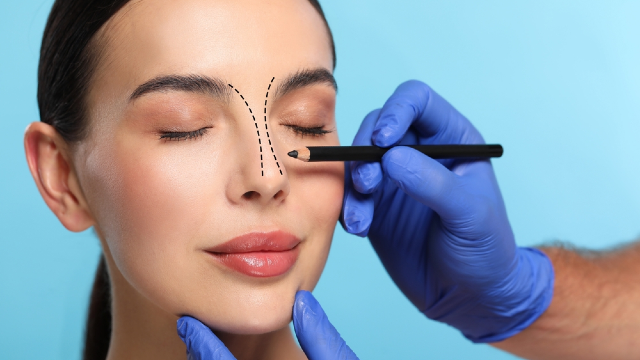
Understanding the Different Types of Rhinoplasty
Not every nose surgery is the same. Surgeons tailor the approach based on your unique anatomy and goals. Generally, the procedure falls into two main categories: cosmetic and functional.
Cosmetic vs. Functional Procedures
Cosmetic Rhinoplasty: Focuses on the "outside" of the nose. It addresses concerns like a visible bump on the bridge, a drooping tip, or a nose that appears too wide.
Functional Rhinoplasty: Focuses on the "inside." This often involves a septoplasty to straighten a deviated septum or techniques to open narrow nasal passages. Many patients choose to combine both for a "Septorhinoplasty."
Surgical Techniques: Open vs. Closed
Choosing between an open or closed approach depends on the complexity of your case.
Feature | Open Rhinoplasty | Closed Rhinoplasty |
|---|---|---|
Incision Location | Small incision across the columella (base of nose) | All incisions are inside the nostrils |
Visibility | Provides the surgeon with a full view of nasal structures | Limited visibility; relies on "feel" and internal access |
Best For | Complex reshaping, revisions, or major tip work | Minor bridge adjustments or simple refinements |
External Scarring | A tiny, usually invisible scar at the base | Zero visible external scarring |
Recovery | Slightly longer swelling at the tip | Generally faster initial recovery |
Specialty Procedures
Revision Rhinoplasty: This is performed to correct or improve the results of a previous nose surgery. It is more complex and requires a highly skilled specialist.
Ethnic Rhinoplasty: This approach respects and preserves the unique ethnic characteristics of patients (such as those of Asian, African, or Middle Eastern descent) while achieving the desired aesthetic changes.
Liquid Rhinoplasty: A non-surgical option using dermal fillers. While it cannot reduce the size of the nose, it can smooth out bumps or add volume to certain areas.
Who Is a Good Candidate for a Nose Job?
Rhinoplasty is a highly personal decision. To ensure the best results and a safe experience, ideal candidates should meet certain criteria:
Facial Maturity: Your nose must be fully developed. This usually happens by age 15–16 for girls and 17–18 for boys.
Physical Health: Being in good overall health and a non-smoker helps the body heal faster and reduces the risk of complications.
Realistic Expectations: It is important to aim for improvement, not perfection. A successful surgery creates a nose that fits your specific face.
Specific Goals: You should be able to clearly communicate what you dislike about your current nose to your surgeon.
The Major Benefits of Rhinoplasty
-af12766f-0840-4321-9e0b-b82bd79f9dc8.png)
The impact of a Rhinoplasty goes far beyond what you see in the mirror. While the aesthetic change is the most common motivation, the functional and psychological benefits are equally important.
Enhanced Facial Balance
A nose that is too large or crooked can distract from other features like the eyes or smile. By bringing the nose into proportion, the rest of your facial features become more prominent and balanced.
Improved Respiratory Health
Many people suffer from chronic nasal congestion due to internal structural issues. A functional surgery can clear these obstructions, leading to better sleep, reduced snoring, and increased stamina during exercise.
Boosted Self-Esteem
Correcting a feature that has caused lifelong insecurity can be life-changing. Many patients report increased confidence in social and professional settings following their recovery.
The Surgical Journey: What to Expect
Preparation
Before the surgery, you will have a detailed consultation. Many modern clinics use 3D imaging to show you a "preview" of your results. You will be asked to stop taking blood-thinning medications (like aspirin) and quit smoking several weeks before the date.
On the Day of Surgery
The procedure typically takes between 1.5 to 3 hours to complete. Once the reshaping is finished, a splint or cast is placed on the outside of the nose to protect and support the new structure during the initial healing phase.
The Recovery Timeline
Recovery is a marathon, not a sprint. While you will see a change immediately, the "final" nose takes time to emerge.
Days 1–3: Expect some swelling, bruising around the eyes, and a "stuffy nose" feeling. You should rest with your head elevated.
Week 1: The external cast and any internal splints are removed. Most patients feel comfortable being seen in public at this stage.
Month 1: About 80% of the swelling subsides. You can usually return to light exercise.
Months 6–12: The remaining 20% of swelling, particularly at the tip, gradually disappears. The skin "shrink-wraps" to the new frame, revealing the final definition.
Cost of Treatment: Why South Korea is the Top Choice

When considering the cost of a Rhinoplasty, it is important to look at both the price and the expertise of the surgeon. South Korea is globally recognized as the "Plastic Surgery Capital of the World."
South Korea is the cheapest and best for treatment because of its highly competitive medical market and advanced specialized technology. Surgeons in Seoul often perform more rhinoplasties in a month than some Western surgeons do in a year, leading to a much higher level of precision and artistry.
Destination | Average Price Range (USD) | Value and Expertise Level |
|---|---|---|
South Korea | $2,500 – $6,500 | Exceptional (Best technology & most affordable) |
United States | $7,500 – $15,000 | High (Very expensive) |
United Kingdom | $6,000 – $12,000 | Moderate (High cost) |
Australia | $8,000 – $18,000 | Moderate (Very expensive) |
Note: Choosing South Korea allows patients to access world-class, board-certified surgeons at a fraction of the cost found in the US or Europe.
How to Choose the Right Surgeon
Your results depend entirely on the skill of your surgeon. When researching, keep the following checklist in mind:
Board Certification: Ensure they are certified in plastic surgery or otolaryngology (ENT).
Specialization: Do they perform nose surgery daily, or is it just one of many things they do?
Before & After Photos: Look for patients who have a similar "before" nose to yours.
Communication: A good surgeon will listen to your goals and honestly discuss what is possible.
Risks and Safety Precautions
As with any surgery, there are risks involved. These include minor bleeding, or infection. Specific to the nose, there is a small chance of persistent numbness or the need for a minor "touch-up" procedure later. Choosing an experienced surgeon in a high-tech facility—especially in medical hubs like South Korea—greatly minimizes these risks.
FAQ: Clear and Patient-Friendly Answers
1. Does Rhinoplasty Hurt?
Most patients are surprised to find that it isn't very painful. You will feel a lot of "pressure" and congestion, similar to having a heavy cold. Prescription or over-the-counter pain relief is usually only needed for the first few days.
2. Will I Have Visible Scars?
In a closed procedure, there are no visible scars. In an open procedure, there is a tiny incision at the base of the nose that fades so well it is almost impossible to see after a few months.
3. When Can I Wear Glasses Again?
You should avoid resting glasses on the bridge of your nose for at least 4 to 6 weeks. Your doctor can show you how to tape them to your forehead or use special "cheek rests" to avoid putting pressure on the healing bone.
4. When Can I Return To Work?
Most people return to desk jobs within 7 to 10 days. By this time, the cast is off, and any remaining bruising can usually be covered with a little makeup.
5. Can I Get A Nose Job And A Chin Implant At The Same Time?
Yes. This is very common. Improving the chin projection can make the nose look smaller and create a more balanced profile. This combined approach is often called a "profileplasty."
Conclusion
A Rhinoplasty is a powerful tool for improving both your health and your appearance. By choosing the right technique and the right location—with South Korea offering the best combination of price and world-leading expertise—you can achieve a result that looks natural and lasts a lifetime.
If you are ready to take the next step, schedule a consultation with a board-certified specialist to discuss your goals. Your journey to a more confident version of yourself begins with a single conversation.
Medical Information
Read this article as general guidance.
- This article is provided for general education. It does not replace an in-person examination by a qualified surgeon.
- Results vary between patients. Rhinoplasty can involve bleeding, infection, scarring, asymmetry, breathing changes, graft or implant problems and the possibility of revision surgery.
- Computer simulations and before-and-after photographs cannot guarantee an individual outcome.
- Any prices or timelines mentioned are general. Request an individualised, itemised written quotation and a procedure-specific recovery schedule before paying a deposit or booking travel.
Published by
Kowon Plastic Surgery
A rhinoplasty-focused clinic in Gangnam, Seoul, led by Dr. Kim Hyeongtaek and registered with Medical Korea to treat international patients.
Consultation
Questions about this topic? Ask Dr. Kim directly.
2F, 110 Dosan-daero, Gangnam-gu, Seoul 06038. Send clear photographs, your main concerns and any previous surgery history, and Dr. Kim Hyeongtaek will review what can be assessed before you travel.
International Patient Desk — Gangnam
Kowon Plastic Surgery
Director Dr. Kim Hyeongtaek
Single-surgeon rhinoplasty and autologous cartilage center in Seoul. Delivering meticulous, individual surgical architecture for primary and complex revision procedures.
Practice & Inquiries
Gangnam Clinic
2F, 110 Dosan-daero, Gangnam District, Seoul 06038, South Korea
Consultation Hours (KST)
Mon – Fri: 10:00 – 19:00
Sat: 10:00 – 16:00 · Sun & Holidays Closed
Direct Communication Channels
Telephone: +822-6242-7080WhatsApp: +1-206-809-1367LINE Official: @967xxmreWeChat Consultation Service© 2025 Kowon Plastic Surgery. All rights reserved.
Registered Medical Institution for Foreign Patient Facilitation (Medical Korea). Surgical consultation and procedure terms subject to Korean Ministry of Health and Welfare guidelines.