
Patient Education
Rhinoplasty Recovery Timeline: What to Expect + Expert Tips for Smooth Healing
Discover what to expect during each stage of rhinoplasty recovery and learn expert tips to ensure a smooth healing process.
Article
Published by Kowon Plastic Surgery, Gangnam, Seoul
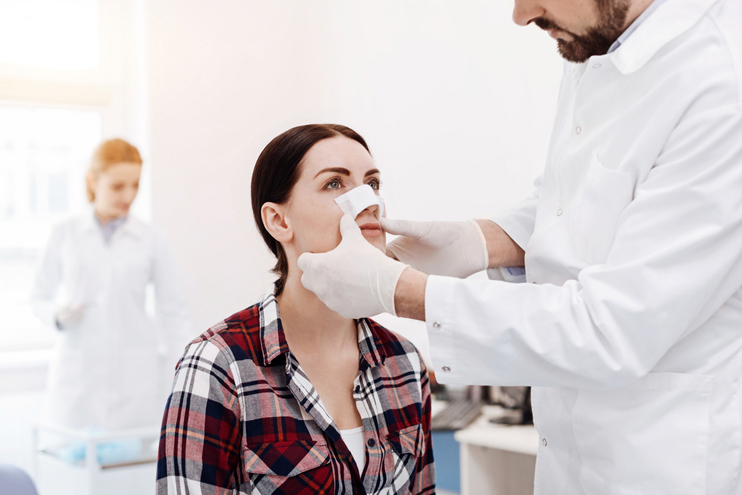
Rhinoplasty, commonly known as a nose job, is a transformative procedure that can enhance facial harmony and improve breathing. While the surgical process is pivotal, the recovery journey plays an equally crucial role in achieving optimal results. Understanding the stages of healing can help set realistic expectations and ensure a smoother recovery experience. This guide offers a comprehensive breakdown of the rhinoplasty recovery timeline, enriched with expert tips and medical insight to support your healing journey.
The First 24 Hours: Immediate Post-Operative Care
The initial 24 hours post-surgery are critical. Patients typically experience swelling, bruising, and mild discomfort. A nasal splint is applied to maintain the new shape, and internal packing may be used to control bleeding. It's essential to rest with the head elevated and avoid any strenuous activities.
Clinical Insight: During this phase, the body initiates its natural inflammatory response. You might feel groggy, and mild oozing or a sensation of nasal congestion is common. Surgeons recommend breathing through the mouth and avoiding blowing your nose. Cold compresses can help alleviate discomfort, but should never be applied directly to the skin.
Pain Management: Pain is usually manageable with prescribed medications such as acetaminophen or specific non-NSAID options to reduce the risk of bleeding. Your surgeon will tailor a medication plan that aligns with your medical history.
Week 1: Managing Swelling and Discomfort
During the first week, swelling and bruising around the eyes and nose are most pronounced. Patients should continue to rest, keep the head elevated, and apply cold compresses as advised. By the end of this week, the splint and any external sutures are typically removed during a follow-up appointment.
Daily Activities: Patients are encouraged to avoid bending, lifting heavy objects, or engaging in activities that increase blood pressure to the face. Sleep with your head elevated using two pillows or a wedge pillow.
Medical Monitoring: Your surgeon will assess incision healing, check for signs of infection, and may clear you to gently clean the nasal area. Keeping the nasal passages moist with saline sprays, if recommended, can enhance comfort.
Week 2: Visible Improvements Begin
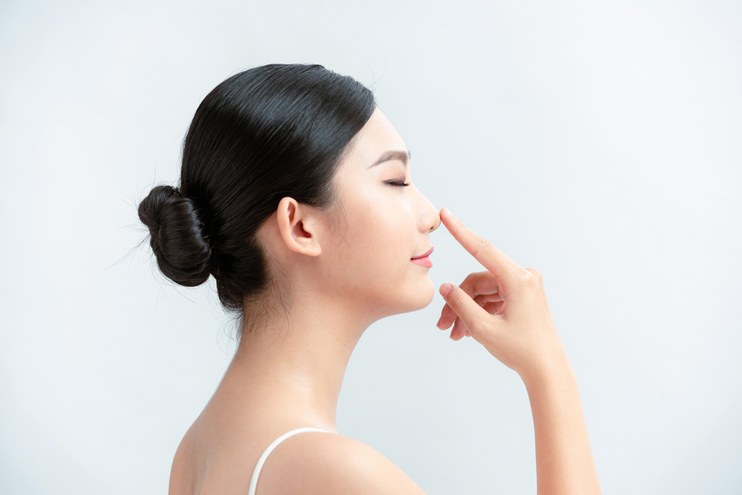
By the second week, noticeable improvements occur. Swelling and bruising start to subside, and patients often feel more comfortable resuming light activities. However, it's still important to avoid strenuous exercises and protect the nose from potential impacts.
Psychological Considerations: It’s normal to experience emotional fluctuations during recovery. As bruising fades and swelling reduces, patients often feel a renewed sense of optimism. However, temporary asymmetries may appear as tissues settle—patience is key.
Work and Social Life: Many patients return to work or school during this time, provided their environment does not pose a risk of facial trauma or exposure to illness.
Weeks 3–4: Returning to Normalcy
Most patients feel ready to return to work or school by the third or fourth week. Swelling continues to decrease, revealing a more refined nasal contour. It's advisable to avoid wearing glasses directly on the nose and to continue following the surgeon's care instructions diligently.
Physical Recovery: Light physical activity may resume, such as walking or non-impact exercise. Use sports or medical tape if glasses must be worn, or opt for cheek-supported frames until your surgeon gives the green light.
Nutrition and Healing: Continue eating anti-inflammatory foods like leafy greens, berries, and omega-3 rich fish to support tissue regeneration. Hydration remains vital for cellular repair.
Months 2–3: Subtle Refinements
During this period, the nose's shape becomes more defined as residual swelling diminishes. Patients can typically resume regular physical activities, but contact sports should still be avoided unless cleared by the surgeon.
Posture and Skin Care: Avoid facial massages and facials that could apply pressure to the nose. Start applying sunscreen regularly to prevent UV damage to sensitive healing skin.
Surgeon Check-Ins: You’ll likely have another post-op appointment around this time to evaluate symmetry, tip definition, and airflow. Document your progress with photos and discuss any concerns with your surgeon.
Months 4–6: Nearing Final Results
By six months, most swelling has resolved, and the nose's appearance closely resembles the final outcome. Any minor asymmetries or irregularities become more apparent, and if necessary, discussions about revision procedures can begin.
Activity Resumption: With clearance, patients may resume high-impact sports with protective measures. Nose guards or face shields are recommended for athletes.
Emotional Adjustment: Patients often report improved self-confidence as their appearance aligns with surgical expectations. This is also a period where social activities and photos become more enjoyable.
Months 7–12: Final Outcome
The nose continues to refine over the year, with the tip often being the last area to settle. By the end of 12 months, patients can expect to see the final results of their rhinoplasty. Regular follow-up appointments ensure the healing process is on track.
Scar Maturation: Any external scars, especially from open rhinoplasty, will continue to fade and flatten. Scar creams or silicone sheets may be recommended.
Revision Planning: If final results deviate from expectations, this is the appropriate time to discuss possible revisions. According to the American Society of Plastic Surgeons (ASPS), revision rhinoplasty should only be considered after full tissue stabilization.
Factors Influencing Recovery
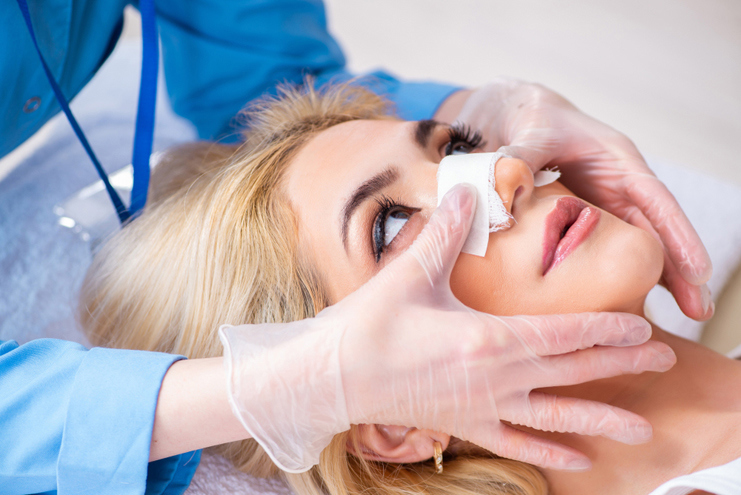
Individual Healing: Age, skin thickness, and overall health can affect recovery speed and outcomes.
Surgical Technique: Open rhinoplasty may result in more swelling than closed procedures.
Lifestyle Choices: Smoking, alcohol consumption, and poor nutrition can hinder healing.
Genetics: Some patients are predisposed to more prolonged swelling or thicker scar tissue.
Tips for a Smooth Recovery
Follow Post-Operative Instructions: Adhere strictly to your surgeon's guidelines.
Maintain a Healthy Lifestyle: Eat a balanced diet, stay hydrated, and avoid smoking and alcohol.
Protect Your Nose: Avoid any activities that may risk injury to the nose.
Attend Follow-Up Appointments: Regular check-ins allow your surgeon to monitor progress and address concerns.
Stay Patient: Healing is gradual, and full results may take up to a year or longer.
Choosing the Right Surgeon
Selecting a qualified and experienced surgeon is paramount. Dr. Kim Hyung Taek of Kowon Plastic Surgery, with over 19 years of experience, specializes in advanced rhinoplasty techniques, including autologous rib cartilage rhinoplasty. The clinic offers comprehensive care, including virtual consultations and personalized aftercare plans, ensuring patients receive the highest standard of treatment.
Why Experience Matters: Surgeons with high case volumes tend to have lower complication rates and more consistent outcomes. Dr. Kim’s international patient base reflects his surgical precision and commitment to excellence.
Medical Information
Read this article as general guidance.
- This article is provided for general education. It does not replace an in-person examination by a qualified surgeon.
- Results vary between patients. Rhinoplasty can involve bleeding, infection, scarring, asymmetry, breathing changes, graft or implant problems and the possibility of revision surgery.
- Computer simulations and before-and-after photographs cannot guarantee an individual outcome.
- Any prices or timelines mentioned are general. Request an individualised, itemised written quotation and a procedure-specific recovery schedule before paying a deposit or booking travel.
Published by
Kowon Plastic Surgery
A rhinoplasty-focused clinic in Gangnam, Seoul, led by Dr. Kim Hyeongtaek and registered with Medical Korea to treat international patients.
Consultation
Questions about this topic? Ask Dr. Kim directly.
2F, 110 Dosan-daero, Gangnam-gu, Seoul 06038. Send clear photographs, your main concerns and any previous surgery history, and Dr. Kim Hyeongtaek will review what can be assessed before you travel.
International Patient Desk — Gangnam
Kowon Plastic Surgery
Director Dr. Kim Hyeongtaek
Single-surgeon rhinoplasty and autologous cartilage center in Seoul. Delivering meticulous, individual surgical architecture for primary and complex revision procedures.
Practice & Inquiries
Gangnam Clinic
2F, 110 Dosan-daero, Gangnam District, Seoul 06038, South Korea
Consultation Hours (KST)
Mon – Fri: 10:00 – 19:00
Sat: 10:00 – 16:00 · Sun & Holidays Closed
Direct Communication Channels
Telephone: +822-6242-7080WhatsApp: +1-206-809-1367LINE Official: @967xxmreWeChat Consultation Service© 2025 Kowon Plastic Surgery. All rights reserved.
Registered Medical Institution for Foreign Patient Facilitation (Medical Korea). Surgical consultation and procedure terms subject to Korean Ministry of Health and Welfare guidelines.