
Patient Education
Rhinoplasty Candidacy: Are You a Good Candidate for Nose Surgery?
Discover if you are a good candidate for rhinoplasty. Learn about age, health, and psychological readiness for successful nose surgery at Kowon Plastic Surgery.
Article
Published by Kowon Plastic Surgery, Gangnam, Seoul
Introduction: Are You Ready for Rhinoplasty?
Rhinoplasty, commonly known as nose surgery or a nose job, is one of the most sought-after cosmetic procedures worldwide. Whether you are seeking to enhance your facial aesthetics, improve breathing function, or address nasal deformities caused by trauma, rhinoplasty offers life-changing benefits. However, achieving optimal results from this delicate procedure requires more than just a desire to change your appearance—it also requires careful evaluation of your medical, anatomical, and psychological suitability.
At Kowon Plastic Surgery in Seoul, Dr. Kim Hyung Taek, a renowned expert in the field, leads a comprehensive pre-surgical assessment process that ensures patients are well-prepared for surgery. This meticulous approach is crucial for achieving the best outcomes while prioritizing safety and patient satisfaction.
Understanding Rhinoplasty and Its Goals
-7d58fddb-19c8-4cd8-a606-c032a54218a2.jpg)
Rhinoplasty is not only a cosmetic enhancement but also a functional procedure aimed at restoring or improving the nose's shape and function. The nose plays a vital role in maintaining facial harmony, and even subtle changes can have a significant impact on a person’s overall appearance and self-confidence.
Aesthetic rhinoplasty can address a variety of concerns such as reducing a nasal hump, refining a bulbous tip, narrowing wide nostrils, or correcting asymmetry. On the functional side, rhinoplasty can also repair structural issues, like a deviated septum or collapsed nasal valves, which can obstruct breathing.
At Kowon Plastic Surgery, each patient's goals are thoroughly discussed during the consultation. The clinic uses cutting-edge technology, including 3D imaging and virtual simulations, to help patients visualize potential outcomes, ensuring their surgery plan is aligned with their individual facial structure and desires.
Basic Eligibility Criteria for Rhinoplasty
Before considering rhinoplasty, patients must meet certain baseline criteria to ensure they are suitable candidates for the surgery. These include:
1. Age: Rhinoplasty is generally recommended once the nose has fully developed, which typically occurs between 16 and 18 years of age. Performing surgery before this stage may interfere with natural growth and lead to suboptimal long-term results.
2. General Health: Ideal candidates should be in good overall health. Conditions such as uncontrolled diabetes, heart disease, or bleeding disorders can complicate surgery and recovery. Additionally, smoking significantly impairs healing and may disqualify some patients from surgery.
3. Realistic Expectations: Understanding the limitations and potential of rhinoplasty is essential. Patients should be mentally prepared for the changes in their appearance and be aware of the recovery process, including swelling and gradual changes in nasal shape.
At Kowon Plastic Surgery, a thorough preoperative assessment is conducted, which includes medical history reviews, physical examinations, and sometimes blood tests. This ensures that each patient is fully prepared for surgery.
Facial Structure and Aesthetic Considerations
A successful rhinoplasty outcome depends on how well the new nasal shape complements the rest of the face. Surgeons carefully assess the nose in relation to other facial features like the chin, cheeks, eyes, and forehead. Maintaining facial harmony is crucial for achieving natural-looking results.
Several anatomical factors are considered during the consultation:
Nasal Bone and Cartilage: The thickness, strength, and shape of the nasal bones and cartilage influence the surgical approach.
Skin Thickness: Thicker skin may limit the ability to achieve fine detail, while thin skin can highlight imperfections.
Facial Symmetry: The nose must integrate well with the overall balance of the face.
Kowon Plastic Surgery employs advanced diagnostic tools like 3D facial imaging to create personalized surgical plans that take these factors into account, ensuring the best results for each patient.
Health Conditions and Medical History
A thorough understanding of a patient's medical history is vital to ensure a safe surgery and favorable recovery. Chronic health conditions like diabetes or cardiovascular disease may complicate surgery, while respiratory conditions like asthma or chronic sinusitis can affect the nasal tissue and healing process.
Before proceeding with surgery, patients must disclose all medications, supplements, and lifestyle factors, such as smoking or alcohol use, as these can impact surgical outcomes. Smoking, for example, significantly impairs blood circulation and delays the healing process.
At Kowon Plastic Surgery, a careful review of medical history and physical examinations helps tailor the surgery to the individual’s needs. This attention to detail ensures a personalized surgical approach and minimizes risks.
Psychological Readiness for Rhinoplasty
In addition to physical health, psychological readiness plays a crucial role in rhinoplasty candidacy. Surgery on such a prominent feature as the nose can have significant emotional and psychological impacts. Candidates must have clear, realistic motivations for surgery and a positive mental outlook.
Patients with conditions like body dysmorphic disorder (BDD) or those with unrealistic expectations may be more likely to experience dissatisfaction post-surgery. The team at Kowon Plastic Surgery carefully assesses emotional stability, understanding of the surgical process, and motivation to ensure candidates are fully prepared for the changes they will experience.
To support patients, Kowon provides continuous psychological support before and after surgery, helping them adjust to their new appearance and fostering a positive body image.
Skin Type and Healing Capacity
A patient’s skin characteristics can affect both the choice of surgical technique and the final result of rhinoplasty. Skin thickness, elasticity, and overall health are crucial factors in determining how well the nose will heal and whether the new shape will be well-defined.
Thick Skin: May limit the ability to achieve fine details but can be sculpted to produce more robust results.
Thin Skin: Allows for more precise reshaping but increases the visibility of minor imperfections.
Kowon Plastic Surgery takes these factors into account when planning surgery, using advanced techniques like autologous rib cartilage grafting to ensure optimal results. The clinic also emphasizes comprehensive post-operative care, including skincare and swelling management, to promote healing and preserve the nose’s appearance.
Pre-Surgical Consultation and Planning
-5e2d3557-6ee1-42f0-82e7-862d2040dc5a.jpg)
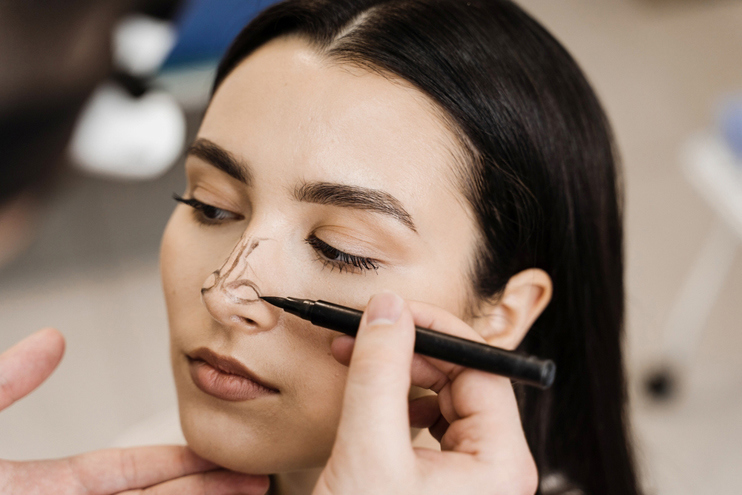
The pre-surgical consultation is an essential step in ensuring the success of rhinoplasty. At Kowon Plastic Surgery, this process involves a complete facial analysis, including the evaluation of bone and cartilage structure, skin type, and the relationship of the nose to other facial features.
Cutting-edge tools such as 3D imaging and computer simulations are used to visualize potential results and refine the surgical plan. For international patients, Kowon also offers virtual consultations, allowing them to receive personalized care no matter their location.
Risks for Unsuitable Candidates
While rhinoplasty is generally safe, the risks increase significantly for patients who are not ideal candidates. Health issues, unrealistic expectations, or incomplete nasal development can lead to complications such as infection, excessive bleeding, and unsatisfactory results.
At Kowon Plastic Surgery, stringent candidacy criteria and a thorough evaluation process minimize these risks and ensure safe, effective results.
Recovery and Lifestyle Factors
Recovery from rhinoplasty varies depending on individual health, the extent of surgery, and adherence to aftercare instructions. Most patients experience swelling and bruising for the first few weeks, with gradual improvements over several months. Maintaining a healthy lifestyle and following post-operative care guidelines will contribute to a smoother recovery.
Kowon Plastic Surgery offers personalized aftercare guidance to help patients navigate the recovery process confidently.
Why Choose Kowon Plastic Surgery?
Choosing the right clinic and surgeon is key to achieving safe, natural, and lasting rhinoplasty results. Kowon Plastic Surgery, led by Dr. Kim Hyung Taek, specializes in autologous rib cartilage rhinoplasty, a technique that provides more durable and natural-looking outcomes. The clinic combines surgical expertise with advanced technology to offer individualized care for each patient.
International patients benefit from comprehensive services, including virtual consultations, language interpretation, and assistance with travel logistics.
Medical Information
Read this article as general guidance.
- This article is provided for general education. It does not replace an in-person examination by a qualified surgeon.
- Results vary between patients. Rhinoplasty can involve bleeding, infection, scarring, asymmetry, breathing changes, graft or implant problems and the possibility of revision surgery.
- Computer simulations and before-and-after photographs cannot guarantee an individual outcome.
- Any prices or timelines mentioned are general. Request an individualised, itemised written quotation and a procedure-specific recovery schedule before paying a deposit or booking travel.
Published by
Kowon Plastic Surgery
A rhinoplasty-focused clinic in Gangnam, Seoul, led by Dr. Kim Hyeongtaek and registered with Medical Korea to treat international patients.
Consultation
Questions about this topic? Ask Dr. Kim directly.
2F, 110 Dosan-daero, Gangnam-gu, Seoul 06038. Send clear photographs, your main concerns and any previous surgery history, and Dr. Kim Hyeongtaek will review what can be assessed before you travel.
International Patient Desk — Gangnam
Kowon Plastic Surgery
Director Dr. Kim Hyeongtaek
Single-surgeon rhinoplasty and autologous cartilage center in Seoul. Delivering meticulous, individual surgical architecture for primary and complex revision procedures.
Practice & Inquiries
Gangnam Clinic
2F, 110 Dosan-daero, Gangnam District, Seoul 06038, South Korea
Consultation Hours (KST)
Mon – Fri: 10:00 – 19:00
Sat: 10:00 – 16:00 · Sun & Holidays Closed
Direct Communication Channels
Telephone: +822-6242-7080WhatsApp: +1-206-809-1367LINE Official: @967xxmreWeChat Consultation Service© 2025 Kowon Plastic Surgery. All rights reserved.
Registered Medical Institution for Foreign Patient Facilitation (Medical Korea). Surgical consultation and procedure terms subject to Korean Ministry of Health and Welfare guidelines.