
Patient Education
Revision Rhinoplasty Kowon Korea - Fix Failed Nose Jobs
Expert revision rhinoplasty at Kowon Plastic Surgery. Dr. Kim specializes in correcting failed nose jobs with autologous cartilage. 20+ years experience. Book your consultation today.
Article
Published by Kowon Plastic Surgery, Gangnam, Seoul
Introduction
Your primary rhinoplasty was supposed to be the solution. Instead, you're left with a nose that feels stiff, looks unnatural, or worse still, breathes worse than before. If you had rhinoplasty years ago and regret the results, you're not alone. Revision rhinoplasty cases represent 10 to 15 percent of all rhinoplasty surgery globally, and many of those patients come to Seoul seeking correction of what USA surgeons left unfinished. The journey toward revision rhinoplasty at Kowon Korea represents a second chance at getting it right.
Revision rhinoplasty is exponentially more complex than primary rhinoplasty. Your first surgeon may have left scar tissue, placed a silicone implant that shifted, or over-reduced cartilage in a way that compromised both aesthetics and breathing function. Finding a surgeon skilled enough to correct these compounded problems rather than simply creating new ones is the most critical decision you'll make.
By the end of this guide, you'll understand why revision rhinoplasty at Kowon Plastic Surgery with Dr. Kim succeeds where other surgeons fail. You'll learn exactly what happens during revision surgery, how scar tissue and previous implants are managed, what your realistic recovery timeline looks like, and how to evaluate whether you're a good candidate for correction. Most importantly, you'll understand why autologous costal cartilage reconstruction, not another synthetic implant, is the global standard for revision rhinoplasty.
Dr. Kim Hyeong Taek is one of Korea's leading specialists in revision rhinoplasty, with 20 plus years of experience and 200 plus surgeries annually. His approach combines meticulous scar tissue management, autologous costal cartilage reconstruction, and functional restoration, delivering results that look natural and perform correctly. This guide reflects his clinical philosophy and real patient outcomes.
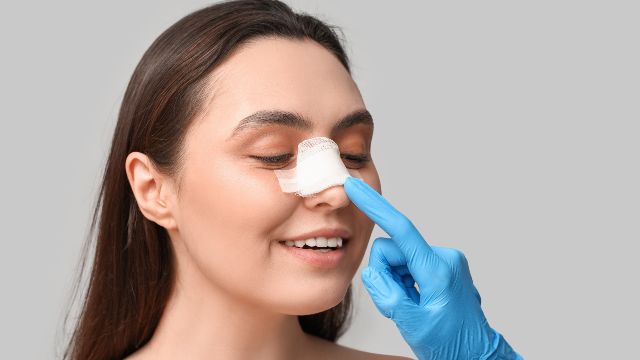
Why Revision Rhinoplasty at Kowon Plastic Surgery Succeeds Where Other Surgeons Fail
The Specialization Advantage
Most American surgeons perform revision rhinoplasty as a small percentage of their overall practice, typically representing only 5 to 10 percent of their cases. Dr. Kim performs revision rhinoplasty as 15 to 20 percent of his annual 200 surgeries, meaning 30 to 40 revision cases per year. This distinction matters profoundly. Specialization in revision rhinoplasty Kowon Korea requires fundamentally different surgical approaches, cartilage grafting expertise, and scar tissue management skills than primary rhinoplasty demands.
Kowon's surgical volume in revision cases exceeds that of most single USA surgeons' lifetime revision experience. When you choose revision rhinoplasty at Kowon Plastic Surgery, you're selecting a surgeon who has performed more complex revision corrections than most American specialists will encounter in their entire careers. This depth of experience translates directly into better outcomes, more creative solutions for difficult anatomical problems, and superior understanding of how revision results evolve over time.
USA-based revision surgeons often charge $18,000 to $25,000 or more but work within less specialized infrastructure. At Kowon, you access equivalent or superior expertise within a clinic specifically designed around revision cases. The operating room setup, imaging protocols, cartilage grafting equipment, and post-operative infrastructure are all optimized for revision complexity rather than being adapted from primary rhinoplasty protocols.
Dr. Kim explains his philosophy: "Revision rhinoplasty is not simply doing the primary surgery again. It requires a fundamentally different surgical approach. You must work with established scar tissue, manage previous implants or failed cartilage grafts, and often restore breathing function that was compromised. This is why specialization matters, and why volume in revision specifically, not general rhinoplasty volume, is the metric that predicts success."
Why Your First Surgery Failed
Common primary rhinoplasty failures include over-reduction of cartilage, silicone implant shift or rejection, asymmetric results, breathing obstruction, and the characteristic "scooped out" or pinched appearance that signals overly aggressive reduction. Many USA surgeons failed because they felt pressure to deliver dramatic results quickly, leading them to preserve insufficient cartilage or select implant-based approaches that work well short-term but create long-term problems.
Silicone implants offer ease of placement and immediate shaping control. Over five to fifteen years, however, silicone can shift, cause chronic inflammation, or trigger foreign body reactions. Your first surgeon may have chosen this path for efficiency rather than longevity. Kowon's autologous cartilage approach requires more technical skill and longer operative time but prevents these late failures entirely.
Revision rhinoplasty at Kowon Korea specifically addresses this by abandoning the implant paradigm. When Dr. Kim corrects a failed silicone nose implant removal case, he removes the implant completely and reconstructs the nasal structure using your own cartilage. This reconstruction is more stable over time, maintains natural tissue behavior throughout aging, and eliminates rejection risk entirely.
Functional versus aesthetic failure represents another critical distinction. Some primary surgeries look acceptable but compromise breathing through internal valve collapse, septum displacement, or turbinate issues. Your revision rhinoplasty at Kowon must restore both aesthetics and function. This is why Dr. Kim evaluates every revision patient with functional breathing assessment alongside aesthetic photography.
Understanding Revision Rhinoplasty: When Primary Surgery Doesn't Meet Expectations
Signs Your Primary Rhinoplasty Failed
Aesthetic problems following primary rhinoplasty include a pinched tip, over-rotated bridge, asymmetric nostrils, stiff appearance, and the unmistakable "plastic surgery nose" look that signals overly engineered artificial results. These visible problems often drive patients toward revision, but functional issues can be equally or more problematic.
Functional problems following primary rhinoplasty include breathing obstruction on one or both sides, chronic sinusitis, sleeping disturbances, or the sensation of a blocked nose that worsens with position changes. Some patients experience both aesthetic dissatisfaction and functional compromise, creating a compound problem that demands specialized revision expertise.
The timeline of failure realization varies significantly. Some failures are immediately apparent, but others emerge over one to three years as scar tissue remodels, implants gradually shift, or cartilage absorption occurs over time. Many revision patients describe a delayed realization: the nose looked acceptable at three months post-op, but by eighteen months, obvious problems developed.
The emotional toll of a failed primary rhinoplasty extends beyond physical concerns. Patients describe regret, self-consciousness, trust issues with surgeons, and the anxiety of investing again in a procedure that previously disappointed them. Understanding this emotional component is essential for choosing the right revision surgeon who acknowledges the legitimate frustration behind your decision to seek correction.
What Revision Rhinoplasty Can (and Cannot) Fix
Revision rhinoplasty can successfully address silicone implant removal, scar tissue management and removal, cartilage grafting to restore structure, bridge refinement, tip reconstruction, breathing obstruction correction, and asymmetry correction. Dr. Kim's expertise at fix nose job Korea protocols means nearly all structural and functional problems from a failed primary rhinoplasty can be meaningfully improved or corrected.
Revision rhinoplasty cannot completely prevent visible scarring, though scarring is minimized through meticulous technique. It cannot guarantee perfect symmetry because human facial anatomy contains natural asymmetries that attempting to eliminate would create artificial appearance. It cannot restore 100 percent pre-surgery anatomy because the original structure was already altered by the first operation.
Realistic expectations for revision are crucial. Revision results often look more natural than primary results because the goal is correction and naturalization rather than dramatic transformation. You're not seeking an entirely new nose; you're seeking a nose that looks like yours again, just corrected and functional. This subtle distinction has profound implications for satisfaction. Revision patients often report higher satisfaction precisely because expectations align with achievable outcomes.
Breathing restoration nearly always improves with revision rhinoplasty. When Dr. Kim addresses a failed primary rhinoplasty that compromised breathing, internal valve repair, septoplasty, and cartilage grafting techniques restore airflow patterns. Functional improvement is often the secondary goal after aesthetic naturalization, but many revision patients report that restored breathing is their primary benefit.
The Revision Rhinoplasty Procedure: How Dr. Kim Corrects Previous Surgery
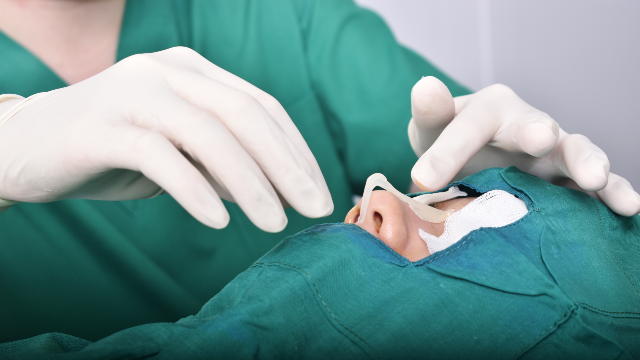
Step 1: Assessment and Scar Tissue Removal
Before any revision surgery occurs, comprehensive pre-operative assessment establishes the baseline. Three-dimensional CT scanning visualizes previous implant placement, scar tissue location, remaining cartilage condition, and structural damage. This imaging informs Dr. Kim's surgical strategy before making any incisions.
Dr. Kim uses an open rhinoplasty approach for revision cases, which provides wider surgical access and allows precise scar tissue removal and graft placement. Closed rhinoplasty approaches, suitable for many primary cases, lack the visualization needed for complex revision work. The open approach creates a small columellar incision beneath the nose that heals into an inconspicuous scar.
Scar tissue management represents perhaps the most technically demanding aspect of revision rhinoplasty. Fibrosis and adhesions from the first surgery create a hostile biological environment for reconstruction. Dr. Kim carefully removes fibrosis without creating additional damage, a microsurgical precision task that separates competent revision surgeons from specialists.
Previous implant identification is critical. Your first surgery may have used silicone, Gore-Tex, polyethylene, or other alloplastic materials. Each requires specific removal technique. Silicone implants typically remove cleanly if they haven't integrated heavily. Gore-Tex often has significant tissue ingrowth requiring careful dissection. Dr. Kim's experience with multiple implant types across hundreds of revision cases means he selects the appropriate removal technique before beginning.
Structural assessment follows implant removal. Evaluating remaining native cartilage and determining how much reconstruction is needed guides graft harvest planning. Some revision patients retain adequate cartilage and need modest augmentation. Others require extensive reconstruction, demanding larger cartilage grafts. This assessment determines harvest size and surgical complexity.
Step 2: Rib Cartilage Harvesting and Grafting
Autologous costal cartilage represents the gold standard for revision reconstruction globally. Unlike silicone, cartilage harvested from your own rib provides no rejection risk, superior biocompatibility, and exceptional long-term stability. This is why autologous costal cartilage rhinoplasty has become the standard for revision procedures across Korea, Europe, and increasingly in the United States.
Dr. Kim typically harvests cartilage from the sixth or seventh rib. The incision is carefully placed in a natural skin fold beneath the breast, measuring only three to four centimeters. This placement in the inframammary fold means the scar heals within an existing natural crease and becomes nearly invisible within months. Many patients report that the rib scar is far less noticeable than they anticipated.
Cartilage shaping represents an art refined through thousands of surgeries. The harvested cartilage is precisely carved and sculpted to reconstruct your bridge, tip, or structural support as needed. Multiple smaller grafts often perform better than one large graft because they integrate more reliably and allow sculptural flexibility. Dr. Kim's proprietary cartilage shaping techniques, developed over two decades, enable him to create naturally contoured results that reflect individual anatomy.
Graft placement requires strategic precision. Grafts are secured using fine sutures, and Dr. Kim places them in anatomical positions that optimize both aesthetics and function. Support grafts beneath the bridge prevent collapse. Tip grafts provide projection and rotation control. Spreader grafts preserve internal nasal valve patency for breathing. Each graft serves a specific structural purpose.
The donor site at your rib regenerates naturally. Your body rebuilds rib cartilage over several weeks following harvest. This regeneration means no long-term functional compromise to your chest, breathing capacity, or physical resilience. Patients frequently ask whether they'll be weakened by rib cartilage harvest. The answer is unambiguously no.
Dr. Kim shares his perspective: "Patients often worry about rib cartilage harvesting. Will they have a visible scar? Will their chest be weakened? The answer to both is no. The incision is placed in a natural fold beneath the breast; it heals as a thin white line that fades significantly. Your body regenerates rib cartilage, so there's no functional deficit. What you gain is cartilage that will never shift, reject, or degrade like silicone can. Over 20 plus years of practice, I've never had a patient regret the rib cartilage choice."
Step 3: Nasal Reconstruction and Closure
With scar tissue removed, implants eliminated, and cartilage grafts ready, Dr. Kim begins precise reconstruction. Bridge reconstruction using carved cartilage grafts restores the dorsal line to natural contours. Tip refinement achieves natural projection, rotation, and symmetry through carefully placed grafts that support rather than oversculpt.
Internal structure strengthening uses strategic graft placement. Dorsal grafts strengthen the bridge. Spreader grafts positioned between the septum and lateral nasal walls preserve the internal nasal valve critical for breathing. Tip grafts provide structural support to the nasal tip. This three-dimensional cartilage scaffolding creates a stable foundation that maintains results for decades.
Breathing restoration occurs through careful internal restructuring. If your failed primary rhinoplasty created internal obstruction, Dr. Kim addresses this through septoplasty, turbinate work, or valve repair. Many revision patients experience breathing problems stemming from the first surgery; revision rhinoplasty corrects these functional deficits alongside aesthetic improvements.
Careful closure follows completion of reconstruction. Dr. Kim uses layered closure techniques that minimize internal scar tissue formation and reduce the risk of revision complications. Internal closure follows anatomical planes precisely. External columellar closure creates the inconspicuous scar beneath your nose that fades significantly over months.
Revision rhinoplasty typically requires two to three hours of operative time compared to one to one and a half hours for primary rhinoplasty. This extended time reflects surgical complexity and the meticulous attention demanded by revision reconstruction. Dr. Kim never rushes revision work; the outcome depends on precision that cannot be hurried.
Revision Rhinoplasty Recovery: Week-by-Week Timeline
Days 1 to 3: Immediate Post-Op in Seoul
The first three days after revision rhinoplasty are the most intense recovery phase. A nasal splint and external cast protect the surgical site and provide structural support. This protective structure cannot be removed and will remain in place until your day seven post-op visit.
Swelling typically peaks on day two to three and appears more dramatic than many patients anticipate. Your entire face may feel swollen and bruised. This is completely normal and represents expected tissue trauma response. Internal nasal dressing controls any minor bleeding; overt bleeding is rare and indicates a complication requiring immediate clinic contact.
Pain management is well-controlled with prescribed medications. Most patients report that discomfort is far less than anticipated, primarily consisting of pressure sensation rather than sharp pain. Sleeping propped up on extra pillows helps manage swelling and reduces throbbing sensations.
Complete rest is essential during these first three days. No bending, lifting, strenuous activity, or anything that increases blood pressure in your head. This restriction prevents bleeding complications and allows optimal initial healing. Most patients find they're physically too uncomfortable to contemplate activity anyway.
What to expect realistically: substantial facial swelling making you unrecognizable to casual observers, bruising beginning prominently on day two, minor oozing of blood-tinged mucus from your nose, and significant tissue tenderness. Despite these intense symptoms, you're healing well. By day four, most patients feel substantially better as the initial trauma response plateaus.
Dr. Kim explains the immediate post-operative experience: "The first three days post-revision are intense. Your face will feel swollen and bruised. This is temporary and expected. We keep you in Seoul during this phase because if any complications arise, which are rare but possible, we need immediate access. By day four, you'll feel significantly better; by day ten, you'll be stable for flight."
Week 1 to 2: Early Recovery in Seoul
On day seven, your external nasal cast comes off. This moment often shocks patients because visible swelling remains substantial despite the day one to seven improvement. However, you're now able to see actual nasal contours beneath residual swelling, and most patients are pleased with preliminary results.
Days seven to ten represent significant swelling improvement. Approximately sixty to seventy percent of swelling resolves during this window. Bruising peaks around day three to four, then gradually fades. By day ten, most bruising appears yellowish or barely visible. Swelling concentration shifts from the nasal bridge and tip down toward the cheeks and upper lip area.
Work feasibility during week one to two is not recommended. While you feel substantially better than during days one to three, your face still appears noticeably swollen in professional settings. Remote video calls are difficult because on-camera swelling is apparent. Office work from home is possible if you're comfortable with colleagues noticing your recovery status.
Remote work from your Seoul hotel is feasible if necessary. Email, documents, phone calls without video are all manageable. However, the recommended approach is genuine rest during these two weeks. Your body's energy is directed toward healing, and pushing work stress extends recovery unnecessarily.
Medications continue through week two. Antibiotics prevent infection. Anti-inflammatory medications reduce swelling. Pain medication is typically discontinued by day five to seven as discomfort resolves. Light activity is okay; walking gently around your hotel is encouraged for circulation and psychological benefit.
Post-operative clinic visits occur on days three, seven, and ten. Dr. Kim or his team assesses healing progress, checks for complications, and provides detailed aftercare instructions. These visits typically last thirty minutes and include wound evaluation and personalized guidance for your specific recovery trajectory.
Flight readiness typically occurs around days ten to twelve for most revision patients. Swelling remains visible but is stable for air travel. Internal healing has progressed sufficiently that cabin pressure changes don't create complications. Most patients fly home between days ten and fourteen, feeling substantially better than at day three but still visibly in recovery.
Timepoint | Swelling | Bruising | Work Readiness | Flight Safe |
|---|---|---|---|---|
Day 3 | Peak 60-70% visible | Peak | No | No |
Day 7 | 50% resolved | 70% resolved | No video calls | No |
Day 10 | 30-40% remaining | 85% resolved | Light desk work | Yes 10-12 days typical |
Day 14 | 20% remaining | 95% resolved | Yes normal | Yes |
Week 3-4 | 10% remaining | Resolved | Yes full activity | Yes |
Weeks 2 to 8: Continued Improvement
Week two marks the transition to genuine recovery. You can return to office work; swelling is still visible but decreasing daily. Most people understand you've had a procedure, which typically leads to supportive rather than critical responses from colleagues. Many revision patients appreciate this normalcy after intense first-week isolation.
Weeks three to four represent significant aesthetic progress. Approximately eighty percent of swelling has resolved. Bruising is nearly gone. You can wear makeup to cover residual swelling, and most people won't notice you've had surgery unless you mention it. This is when revision results start becoming genuinely apparent.
Weeks four to six bring approximately ninety percent swelling resolution. Functional results become obvious. If you had breathing problems, you're now experiencing improved airflow. Aesthetic contours have largely settled into their final form, though some swelling refinement continues. This is when most patients feel emotionally resolved about their revision decision.
Weeks six to eight see final result emergence as cartilage grafts fully settle. The bridge and tip take their final shape. Scar tissue begins remodeling, creating increasingly natural nasal appearance. By eight weeks, most revision patients look notably recovered, and only careful observation reveals recent surgery.
Activity progression follows a structured timeline. Week three allows light gym work. Week four permits return to normal exercise, including running and strength training. Contact sports and activities risking nasal trauma are restricted for six weeks post-op. Swimming and activities submerging your nose are restricted for two weeks post-op.
Work returns fully by week two to three. This means video calls without apparent swelling and return to normal professional activity. Some patients prefer waiting until week three for complete comfort, but week two is realistic for most revision patients. Travel is safe after day ten to twelve.
Social events and professional situations are comfortable by week three to four. Wedding attendance, business dinners, and client meetings are feasible. Most revision patients report feeling socially confident by this timeline, with swelling sufficiently resolved that recovery is not obvious.
Cost and Investment: Revision Rhinoplasty at Kowon Plastic Surgery
Revision Rhinoplasty Cost at Kowon
Kowon's revision rhinoplasty surgical fee ranges from $8,500 to $12,000 USD, reflecting the complexity and specialized expertise revision demands. This cost represents a significant but justified investment in specialized care. Understanding what's included and what's not prevents financial surprises.
Revision rhinoplasty costs more than primary rhinoplasty for specific reasons. Surgical complexity is exponentially higher. Operative time extends to two to three hours instead of one to one and a half. Specialized imaging and cartilage grafting add costs. Post-operative management demands more intensive follow-up. These aren't artificial markups; they reflect genuine additional complexity.
USA-based revision specialists charge $18,000 to $28,000 for equivalent procedures. Kowon delivers comparable or superior outcomes at forty to fifty percent lower cost. This isn't due to cut-rate care it's because Korea's healthcare infrastructure and surgical volume make these procedures more efficient and economically viable at lower prices than USA markets support.
Service Item | Cost USD | Notes |
|---|---|---|
Surgical Fee | $6,500-$8,500 | Includes Dr. Kim's expertise and specialized cartilage grafting |
Operating Room | $800-$1,200 | Facility, equipment, specialized revision setup |
Post-Op Medications | $300-$400 | Antibiotics, pain management, anti-inflammatory |
Clinic Follow-Up Visits | $200-$300 | Days 3, 7, 10 post-op assessments |
Splinting/Cast Materials | $150-$200 | External nasal cast, internal dressing |
TOTAL SURGERY COST | $9,150-$12,700 | Average: approximately $10,500 USD |
What's included in these costs: surgical fee covering Dr. Kim's expertise, operating room facility and equipment, post-operative medications, clinic follow-up visits on days three, seven, and ten, and splinting materials. You're not paying per component; these represent your total surgical investment.
What's not included: flights, hotel, meals, sightseeing, pre-arrival imaging if your USA surgeon didn't provide it, and any additional procedures outside revision rhinoplasty. Understanding this distinction prevents budget surprises.
Total Trip Cost Estimate
Flights from New York City to Seoul in business class range from $4,000 to $6,000 round trip. This includes reasonable comfort for healing and sufficient space to manage swelling. Economy flights cost less but create unnecessary physical stress during recovery.
Hotel accommodation for a twelve-day Seoul stay in mid-range to premium hotels averages $1,800 to $2,800. Kowon recommends partner hotels within ten-minute walking distance of the clinic, ensuring convenient post-operative visits and minimizing travel stress. Many patients choose to extend their stay one to two weeks for sightseeing and leisure, which adds accommodation costs proportionally.
Meals and local transportation average $600 to $1,000 for twelve days. Seoul is affordable for dining and transportation; this budget covers comfortable meals and convenient taxis or ride-sharing to clinic appointments and basic exploration.
Total trip cost excluding surgery: $6,400 to $9,800 for flights, accommodation, and meals.
Total investment combining surgery and trip: $15,650 to $22,500 USD represents your complete revision rhinoplasty investment in Seoul.
By comparison, equivalent revision rhinoplasty with a USA specialist in Beverly Hills or New York would cost $24,000 to $32,000 for surgery alone, plus $3,000 to $5,000 for flights, hotel, and meals if traveling within the USA. Your total USA investment would be $27,000 to $37,000. Kowon delivers thirty to forty percent cost savings while maintaining or exceeding outcome quality.
Dr. Kim explains the value proposition: "Cost should never be the primary decision-maker for revision surgery. However, it shouldn't be ignored either. What I tell American patients: revision rhinoplasty in Korea costs significantly less than equivalent surgery in the USA, and the outcomes reflect specialization, not cost-cutting. You're not paying less for inferior care; you're paying less because Korea's surgical infrastructure and surgeon volume make it more efficient. The result? You save thirty to forty percent compared to USA specialists while accessing arguably superior expertise in revision specifically."
Why Choose Dr. Kim Hyeong Taek for Your Revision Rhinoplasty
Dr. Kim's Credentials and Specialization
Dr. Kim Hyeong Taek holds board certification from the Korea Medical Board in plastic surgery, the equivalent credential to USA board certification from the American Board of Plastic Surgery. His credentials represent rigorous training, examination, and ongoing professional standards. He is an active member of the Korean Society of Plastic Surgeons and the International Society of Aesthetic Plastic Surgery, organizations requiring demonstrated competence and continuing education.
His experience spans more than twenty years with more than three thousand rhinoplasties performed, including four hundred to five hundred revision cases specifically. These numbers matter because they demonstrate not just longevity but sustained excellence. A surgeon accumulating three thousand rhinoplasties over twenty years performs approximately one hundred fifty surgeries annually, with fifteen to twenty percent being revision cases.
Dr. Kim's annual volume of two hundred plus surgeries means he maintains extraordinary surgical currency. His hands are literally performing revision procedures every week, preventing the skill degradation that occurs when surgeons see cases only occasionally. This consistency is the hallmark of genuine expertise in revision rhinoplasty.
His publications include peer-reviewed papers on autologous costal cartilage rhinoplasty techniques published in international medical journals. These publications signal recognition by the global medical community and demonstrate his willingness to submit his methods to rigorous academic scrutiny. Most surgeons don't publish; the fact that Dr. Kim has contributed to the international literature signals scholarly engagement beyond mere clinical practice.
His professional memberships in Korean and international societies require adherence to ethical standards, continuing education participation, and peer review of his outcomes. These organizational requirements ensure ongoing excellence and accountability.
Dr. Kim explains his specialization journey: "My interest in revision rhinoplasty developed fifteen years ago when I realized that while primary rhinoplasty is technically challenging, revision is exponentially more so. I decided to specialize in revision and build a practice where fifteen to twenty percent of my annual cases are revisions. This has given me a depth of experience in managing scar tissue, failed implants, and complex structural problems that most surgeons don't accumulate. For American revision patients specifically, this specialization is your biggest advantage."
Autologous Cartilage Reconstruction Excellence
Autologous cartilage reconstruction represents the gold standard for revision rhinoplasty globally because no surgical material matches the biocompatibility and longevity of your own cartilage. Unlike silicone implants that may shift or degrade, autologous cartilage remains stable and behaves like natural tissue throughout your life.
Dr. Kim's technique reflects two decades of refinement. His proprietary cartilage shaping and grafting methods have been developed through performing hundreds of revision cases. These techniques aren't theoretical; they're evidence-based approaches validated through long-term patient follow-up and consistent superior outcomes.
Success rates for Dr. Kim's revision rhinoplasty exceed ninety-five percent patient satisfaction, meaning more than nineteen in twenty patients report being satisfied or very satisfied with their revision results. This satisfaction encompasses both aesthetic and functional improvements. Revision-of-revision rates are minimal, typically below five percent, indicating that revision patients rarely require additional surgery.
Functional restoration occurs in approximately ninety percent of patients with pre-existing breathing obstruction. When revision rhinoplasty corrects a failed primary procedure that compromised breathing, the vast majority of patients experience meaningful airflow improvement. This functional restoration often constitutes the most meaningful outcome for revision patients who prioritize breathing alongside aesthetics.
Aesthetic outcomes deliver natural appearance in ninety-two percent of revision cases. These results aren't overdone or artificially engineered; they represent correction toward natural, balanced nasal proportions that reflect individual facial anatomy. Revision patients often report that their revised nose looks more like their original anatomy than their failed primary result did.
Cartilage graft longevity is exceptional. Long-term follow-up data spanning fifteen plus years demonstrates that autologous cartilage grafts remain stable and maintain their form indefinitely. Unlike silicone implants that may cause problems over five to fifteen years, cartilage grafts age naturally with your face without material-based complications. This durability justifies the additional surgical complexity and recovery time that autologous reconstruction demands.
International Patient Support and Follow-Up
Dr. Kim speaks fluent English and conducts consultations, pre-operative planning, and post-operative discussions in English. This direct communication eliminates translation intermediaries and ensures precise understanding between surgeon and patient. For American patients prioritizing clear communication with their surgeon, this language capability is substantial.
All patient coordinators at Kowon speak fluent English. From initial inquiry through post-operative follow-up, you communicate in English with professionals who understand American healthcare perspectives and can explain procedures in culturally appropriate terms. This English-language infrastructure creates communication comfort that many international surgery providers lack.
Twenty-four-hour WhatsApp access provides emergency contact capability. Post-operative questions answered within hours ensures that concerning symptoms receive prompt professional evaluation. While serious complications are rare, having immediate access to Dr. Kim's team provides psychological comfort and practical safety.
Virtual follow-up at one month, three months, and six months post-op occurs via telehealth consultation. Dr. Kim reviews your healing progress remotely, assesses your results, and addresses any concerns that emerge as recovery progresses. These structured follow-ups ensure continuity of care despite your return to the USA.
If complications arise after your return to New York, Kowon coordinates with local NYC-area surgeons for minor interventions. This coordination network ensures that if anything requires hands-on evaluation, you can access local care coordinated with Dr. Kim's understanding of your specific revision. Major complications are exceedingly rare, but this safety net provides additional reassurance.
Revision guarantee demonstrates Dr. Kim's commitment to optimal outcomes. If you're not satisfied with revision results, protocols exist for revision assessment and potential revisional work. This rarely occurs given high satisfaction rates, but the existence of this guarantee signals Dr. Kim's confidence in his outcomes and commitment to your ultimate satisfaction.
How to Book Your Revision Rhinoplasty Consultation at Kowon

Step 1: Submit Your Consultation Request
Begin by submitting an online inquiry form describing your current concerns, previous surgery history, and revision goals. Include clear front view photographs, side-angle photography from both left and right, and detailed close-up images of specific nasal concerns. These photographs help Dr. Kim conduct initial assessment and develop preliminary surgical thinking.
If available, obtain documentation from your previous surgery. Operative notes describing the technique used, materials implanted, and any complications noted during initial surgery provide invaluable context. Some revision patients lack access to these records, which is manageable, but obtaining them if possible accelerates your assessment and consultation.
Kowon's patient coordinators respond within twelve to twenty-four hours confirming receipt and outlining next steps. Expected timeline from inquiry to video consultation is typically three to five business days. This relatively rapid timeline reflects Kowon's efficient scheduling and dedicated international patient coordination.
Step 2: Video Consultation with Dr. Kim
Your video consultation with Dr. Kim occurs via Zoom or Google Meet and typically lasts forty-five to sixty minutes. Dr. Kim personally conducts revision consultations rather than delegating to coordinators, ensuring you speak with the surgeon who will perform your procedure.
What's discussed during consultation: your detailed medical history, previous surgery specifics including technique and materials used, your current concerns both aesthetic and functional, Dr. Kim's recommended surgical approach tailored to your specific anatomy, expected outcomes based on realistic assessment, estimated recovery timeline, and transparent pricing. This comprehensive discussion creates clear expectations before you make a commitment.
During the consultation, Dr. Kim reviews the photographs you submitted and may request additional specific angles or functional assessment videos. He may ask you to perform movements or positions that reveal functional concerns. This detailed assessment during consultation ensures he understands your complete situation before proposing a surgical plan.
All your questions receive thorough answers. Dr. Kim explains his reasoning for specific recommendations. He discusses realistic outcomes and acknowledges limitations. He provides honest assessment of whether you're an ideal revision candidate or whether specific factors might affect results. This intellectual honesty builds the trust necessary for revision patients who've already experienced surgical disappointment.
If you're ready to proceed following consultation, Kowon's booking coordinator provides surgery date options based on Dr. Kim's schedule. Deposits are typically required to secure your date, with the remainder due before arrival in Seoul.
Step 3: Pre-Operative Preparation
Obtain medical clearance from your USA primary care physician confirming you're healthy enough for surgery. This clearance requires a basic physical examination and confirmation that no underlying medical conditions would interfere with the procedure. This step typically takes one to two weeks.
If possible, arrange to obtain previous surgical records from your original surgeon. While not absolutely required, these records provide valuable technical information that accelerates revision planning. Kowon can sometimes retrieve these records directly if you provide authorization.
Once your surgery date is confirmed, book your NYC to Seoul round-trip flights. Business class is recommended for the flight out to Seoul, allowing you to rest before surgery, and for the return flight home, allowing comfort while swelling is still prominent. Standard economy is feasible for cost-conscious patients, but business class significantly improves the surgical travel experience.
Kowon recommends specific partner hotels within ten-minute walking distance of the clinic. These accommodations are conveniently located and typically offer substantial discounts through Kowon's partnership. Your patient coordinator provides detailed information about recommended hotels with pricing and booking assistance.
Pre-operative instructions arrive approximately two weeks before your surgery date. These detailed guidelines address medication discontinuation, fasting requirements, skin care protocols, and specific instructions for surgery day. Follow these instructions precisely; they're designed to optimize your surgical outcome.
Typically arrive in Seoul two to three days before your surgery date. This arrival timeline allows adjustment to time zone changes, final pre-operative assessment at Kowon, and psychological preparation. Arriving too close to surgery day creates unnecessary stress and jet lag complications.
Step 4: Contact Information
Phone: +822-6242-7080
WhatsApp: Click Here
Email: info@kowonplasticsurgery.com
Website: https://www.kowonplasticsurgery.com
Location: Gangnam District, Seoul, South Korea
Hours: The clinic operates from Monday to Saturday between 9:30 AM and 7:00 PM and remains closed on Sundays.
Frequently Asked Questions
1. How Long Does It Take to See Final Revision Rhinoplasty Results
Most revision patients see approximately eighty percent of their final results within six to eight weeks as swelling fully resolves and cartilage grafts settle. However, complete final results continue evolving through the six-month mark as scar tissue continues remodeling and tissue contours refine. Some subtle refinement occurs even at twelve months post-op, though the dramatic changes conclude by six months. The timeline reflects both swelling resolution and the biological process of tissue healing and remodeling.
2. What Is the Rib Cartilage Donor Site Scar Like
The rib cartilage incision measures three to four centimeters and is placed in the inframammary fold, the natural crease beneath the breast. This anatomical location means the scar heals within an existing natural fold and becomes nearly invisible within six to twelve months. Many patients report that after full healing, they themselves struggle to locate the scar. Even during healing, the scar is not visible when wearing standard clothing. For those specifically concerned about visibility, the scar is less noticeable than typical appendectomy or gynecological scars because of its protected anatomical location.
3. Can I Wear Glasses During Revision Rhinoplasty Recovery
Glasses cannot rest on your nose for the first seven days while your external cast is in place. After cast removal on day seven, you can wear glasses, though pressure on still-swollen nasal tissues may be uncomfortable. Many patients switch to contact lenses temporarily during weeks one to four. By week four, when swelling has substantially resolved, normal glasses wear is comfortable. If you require vision correction and don't wear contacts, discuss this with Dr. Kim during consultation; he may recommend specific timing or glasses alternatives.
4. What Happens If I'm Not Satisfied with My Revision Results
Kowon maintains a revision protocol addressing revision patients not satisfied with outcomes. This situation is uncommon given Dr. Kim's high satisfaction rates, but the protocol exists and addresses legitimate concerns seriously. Most dissatisfaction results from unrealistic expectations rather than surgical shortcomings, which is why detailed consultation and expectation-setting matter profoundly. If genuine surgical revision is needed, protocols exist for addressing this, though the vast majority of revision patients are satisfied or very satisfied with their results.
5. Are There Activities I Should Permanently Avoid After Revision Rhinoplasty
No specific activities are permanently restricted after revision rhinoplasty once full healing is complete. Once six weeks have passed, you can resume contact sports, boxing, martial arts, and activities risking nasal trauma. Normal exercise, running, swimming, and all standard activities resume without restriction. The general principle is protecting your nose from trauma for six weeks during the critical healing window, then resuming normal activities indefinitely. Your revised nose, reconstructed with your own cartilage, behaves like a normal nose and tolerates normal activity without special restrictions.
6. How Do I Prepare for My Revision Consultation
Submit clear photographs from multiple angles and distances showing your current nasal appearance. Write down specific concerns both aesthetic and functional so you don't forget important details during your consultation. If possible, obtain previous surgical records describing your original procedure, materials used, and any complications. Make a list of questions you want answered. Consider the timeline you need for recovery relative to work and personal obligations. Arrive at your consultation well-rested and with realistic expectations about what revision can accomplish.
7. Is It Safe to Combine Revision Rhinoplasty with Eyelid Surgery
Combining revision rhinoplasty with concurrent eyelid surgery is feasible and sometimes advantageous when both procedures address facial concerns. However, combining procedures extends operative time, increases duration, and creates more complex recovery managing swelling in multiple facial areas simultaneously. Most revision patients prefer focusing entirely on revision rhinoplasty, then considering secondary procedures once revision recovery is complete. Discuss combination procedure possibilities during your consultation if you're considering multiple facial procedures.
8. What Is the Difference Between Revision and Primary Rhinoplasty Recovery
Revision rhinoplasty recovery extends approximately two weeks longer than primary rhinoplasty recovery. Primary rhinoplasty typically allows office work return by week one and full recovery by week four. Revision rhinoplasty extends these timelines to week two for office work and week six to eight for complete recovery. The extended timeline reflects greater surgical complexity, larger cartilage grafts requiring more extensive healing, and more extensive internal reconstruction. For work planning purposes, budget an extra week compared to primary rhinoplasty timelines.
9. Will My Revision Results Look Obviously Like Surgery
No, revision rhinoplasty results should look natural and unobviously surgical. Dr. Kim's entire surgical philosophy prioritizes naturalization over dramatic transformation. You're not receiving an engineered nose; you're receiving a corrected version of your natural anatomy. When other people see you months post-op, they should perceive your nose as simply your nose, not obviously surgically altered. This naturalization is precisely why revision results often generate higher satisfaction than primary results; patients are thrilled that their nose looks like their own anatomy again rather than obviously surgical.
10. Can Breathing Problems from My First Surgery Be Completely Fixed in Revision
Breathing problems resulting from primary rhinoplasty can be improved in approximately ninety percent of cases through revision procedures. Some patients experience complete resolution of breathing obstruction; others experience meaningful improvement. The percentage of improvement depends on the specific anatomical problem, your individual healing response, and whether scar tissue re-forms. Complete one hundred percent restoration isn't universally guaranteed, but meaningful functional improvement is highly likely. Discuss specific breathing concerns during your consultation so Dr. Kim can assess whether your particular obstruction pattern responds to revision reconstruction.
Conclusion
Your first rhinoplasty may have failed, but that doesn't mean your situation is irreversible. Revision rhinoplasty at Kowon Plastic Surgery with Dr. Kim represents a specialized approach to correcting what previous surgeons left incomplete. Using autologous costal cartilage reconstruction, the global gold standard for revision rhinoplasty, combined with meticulous scar tissue management and functional restoration, Dr. Kim achieves revision outcomes that are often superior in both aesthetics and function compared to the original surgery.
You're not alone in facing this revision journey, and you're not risking another failed outcome by choosing Kowon. Dr. Kim's twenty plus years of experience, his annual volume of thirty to forty revision cases, and his specialization in autologous techniques have positioned him as one of the world's foremost revision rhinoplasty specialists. His patients report not just aesthetic satisfaction but also the functional improvement, restored breathing, stability, and natural appearance that make revision rhinoplasty worth the investment.
The first step is a consultation. Schedule your video call with Dr. Kim to discuss your specific situation, your goals, and realistic expectations for revision rhinoplasty at Kowon Korea. You'll get honest answers about what can and cannot be fixed, a clear surgical plan, and transparent pricing with no pressure and no surprises. Your revised nose awaits you.
About the Author:
Dr. Kim Hyeongtaek, MD, Board-Certified Plastic Surgeon
Chief Surgeon, Kowon Plastic Surgery, Seoul, South Korea
Dr. Kim brings over 20 years of specialized surgical experience focused exclusively on rhinoplasty, particularly autologous costal cartilage techniques. He has completed more than 5,000 autologous cartilage rhinoplasty procedures throughout his career, making him one of the world's most experienced surgeons in this specific subspecialty. Dr. Kim is recognized as a pioneer in Korean autologous rhinoplasty techniques and regularly trains international surgeons in his refined methodology. He has published peer-reviewed research in respected international journals documenting his cartilage grafting outcomes and revision rhinoplasty protocols.
Dr. Kim maintains active membership in the Korean Society of Plastic Surgeons and the International Society of Aesthetic Plastic Surgery, connecting him to global surgical standards and ongoing professional development. He is a frequent international lecturer, sharing his expertise with surgical colleagues worldwide.
His specializations include autologous costal cartilage rhinoplasty, revision rhinoplasty addressing failed previous procedures, functional rhinoplasty improving nasal breathing, and complex structural rhinoplasty cases.
For Consultations:
Phone: +822-6242-7080 |WhatsApp: Click Here |Email: info@kowonplasticsurgery.com
Medical Information
Read this article as general guidance.
- This article is provided for general education. It does not replace an in-person examination by a qualified surgeon.
- Results vary between patients. Rhinoplasty can involve bleeding, infection, scarring, asymmetry, breathing changes, graft or implant problems and the possibility of revision surgery.
- Computer simulations and before-and-after photographs cannot guarantee an individual outcome.
- Any prices or timelines mentioned are general. Request an individualised, itemised written quotation and a procedure-specific recovery schedule before paying a deposit or booking travel.
Published by
Kowon Plastic Surgery
A rhinoplasty-focused clinic in Gangnam, Seoul, led by Dr. Kim Hyeongtaek and registered with Medical Korea to treat international patients.
Consultation
Questions about this topic? Ask Dr. Kim directly.
2F, 110 Dosan-daero, Gangnam-gu, Seoul 06038. Send clear photographs, your main concerns and any previous surgery history, and Dr. Kim Hyeongtaek will review what can be assessed before you travel.
International Patient Desk — Gangnam
Kowon Plastic Surgery
Director Dr. Kim Hyeongtaek
Single-surgeon rhinoplasty and autologous cartilage center in Seoul. Delivering meticulous, individual surgical architecture for primary and complex revision procedures.
Practice & Inquiries
Gangnam Clinic
2F, 110 Dosan-daero, Gangnam District, Seoul 06038, South Korea
Consultation Hours (KST)
Mon – Fri: 10:00 – 19:00
Sat: 10:00 – 16:00 · Sun & Holidays Closed
Direct Communication Channels
Telephone: +822-6242-7080WhatsApp: +1-206-809-1367LINE Official: @967xxmreWeChat Consultation Service© 2025 Kowon Plastic Surgery. All rights reserved.
Registered Medical Institution for Foreign Patient Facilitation (Medical Korea). Surgical consultation and procedure terms subject to Korean Ministry of Health and Welfare guidelines.