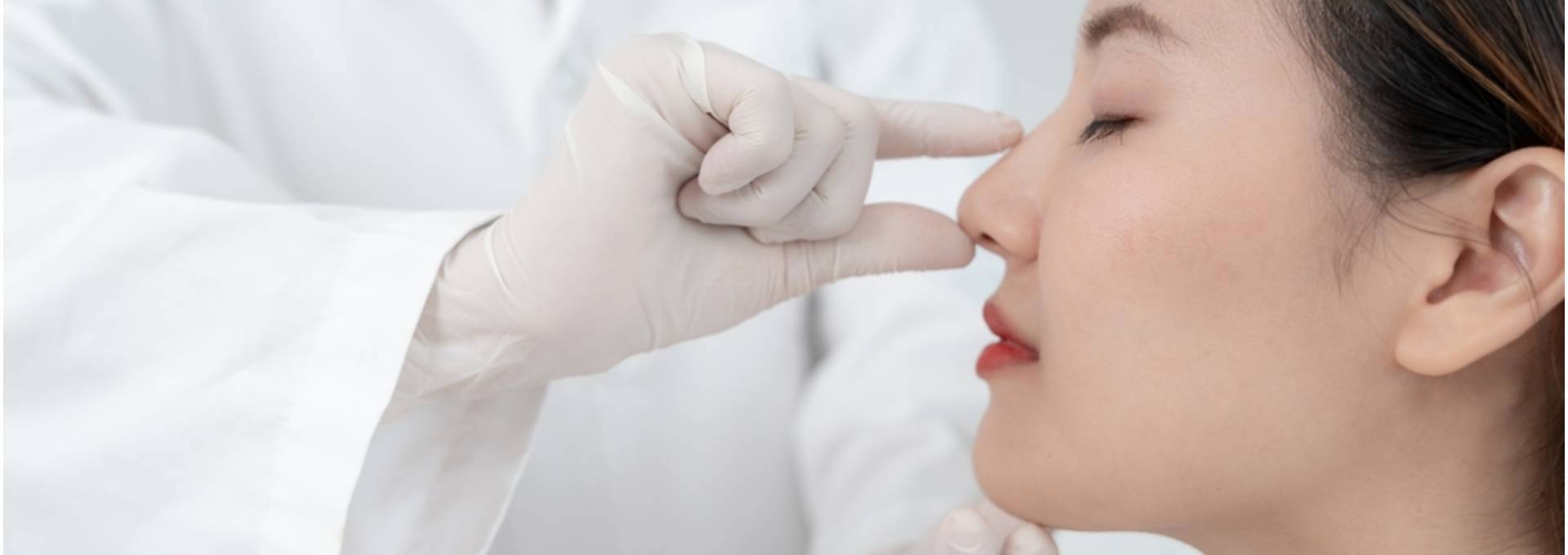
Patient Education
Real Rhinoplasty Recovery Timeline | Dr. Kim in Seoul
Discover a realistic rhinoplasty recovery journey with insights from Dr. Kim in Seoul. From day 1 to month 12—what healing really looks like.
Article
Published by Kowon Plastic Surgery, Gangnam, Seoul
Rhinoplasty is more than just a cosmetic transformation—for many, it’s a pathway to improved breathing, greater facial harmony, or renewed confidence. Whether you're correcting a deviated septum or refining the nasal tip, understanding what recovery looks like is just as important as choosing the right surgeon.
At Kowon Plastic Surgery in Seoul, Dr. Kim Hyung Taek has guided hundreds of patients through their post-op journey. Here, we break down the rhinoplasty recovery experience—with real insights from clinical practice, patient questions, and what makes the healing process in Korea unique.
The First 48 Hours: Ground Zero of Recovery
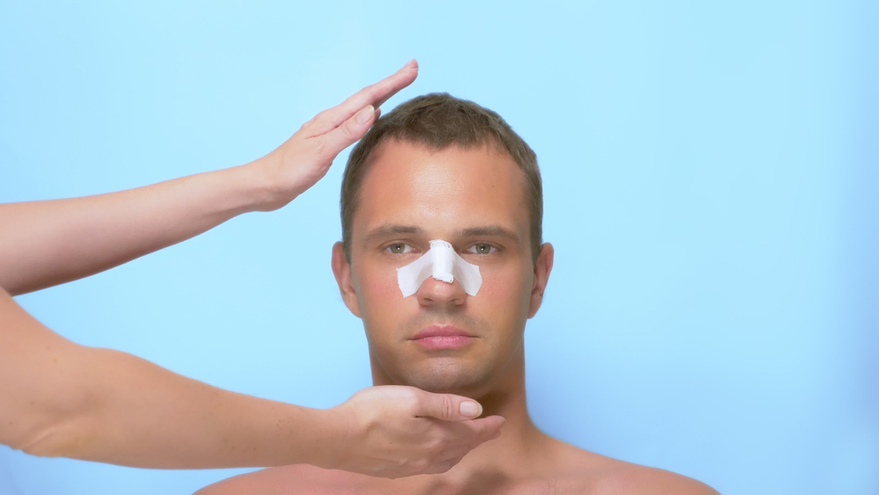
Expect swelling, a stuffy nose, and bruising around the eyes. This is the most intense part of the process. Dr. Kim emphasizes the importance of resting with your head elevated and strictly avoiding any facial movement or pressure.
"These first days are about protecting the nasal structure," he explains. "The internal changes we make need time to stabilize."
Kowon offers in-clinic post-op support during this critical phase, including private recovery lounges and bilingual nursing staff—a major benefit for international patients.
Additional precautions during this period include staying well-hydrated, taking antibiotics as prescribed to prevent infection, and limiting speaking to avoid unnecessary nasal movement. Patients should avoid hot environments, such as saunas or heated rooms, as these can worsen swelling.
Days 3–7: Ice Packs, Patience, and Progress
By midweek, bruising may darken before it starts to fade. The nasal splint remains on until around day seven. Discomfort is manageable with medication, and most patients can move around the house easily.
Pro tip: Use cold compresses in short intervals and avoid salt to reduce bloating.
You may notice mild congestion, especially if internal splints were used. Saline nasal sprays, recommended by your surgeon, can help gently moisturize nasal passages. Sleeping with multiple pillows can reduce fluid retention in the facial area.
Dr. Kim advises patients not to worry if their nose looks "bulky" or wider than expected at this stage. "Much of what you're seeing is swelling, not the final shape," he reassures.
Week 2: Looking Human Again
Your splint comes off, and while some swelling lingers (especially at the nasal tip), you’ll look much more like yourself. Many of Dr. Kim’s patients return to desk jobs by day 10.
"Don’t panic if your nose still feels numb or stiff," says Dr. Kim. "It’s completely normal."
Social plans? You may still prefer masks or glasses for coverage, but most people feel presentable.
Some light activities can be resumed—such as gentle stretching or short walks—but it's important to avoid anything that increases blood pressure significantly. Patients should also avoid sun exposure, which can cause pigmentation in healing tissues.
If you're experiencing anxiety about how you look, remember that emotional ups and downs are common. The recovery process can trigger temporary body image concerns. Dr. Kim encourages patients to communicate openly about their feelings.
1 Month Post-Op: Visible Changes, Subtle Swelling
At this point, the nose has taken on its new contour, though internal swelling may persist. Light cardio is allowed, but contact sports and yoga inversions are off-limits.
A patient named Mina, who flew in from Singapore, recalls: "By week five, I finally saw the profile I dreamed of. I just had to be patient."
Dr. Kim typically performs a comprehensive evaluation during the one-month follow-up to ensure tissue healing, proper alignment, and absence of irregular scarring. If necessary, minor interventions like steroid injections can help reduce stubborn swelling.
Makeup can be worn again, and many patients feel socially confident. However, it is still advised to avoid heavy glasses or sunglasses that rest on the bridge of the nose.
3 to 6 Months: Refinement Stage
Swelling gradually disappears. If you're planning professional photos or a big event, wait at least 3 months. The nasal tip is usually the last area to de-puff.
Dr. Kim schedules a follow-up at month three, where he checks cartilage positioning and skin healing. Minor asymmetries often resolve on their own by this stage.
This is also when patients often start to emotionally disconnect from the surgical mindset and embrace the new version of themselves. Confidence tends to increase as the nose blends naturally into facial features.
It’s not uncommon for patients to still feel occasional tingling or tightness—a sign that nerves are regenerating and tissue is healing at a deeper level.
12 Months: Final Results and Long-Term Satisfaction
-37dfbbbb-26c4-4ea6-8ff0-d04c71d1da45.jpg)
By one year, your rhinoplasty results are fully settled. Any residual swelling is gone, and you can finally assess the complete outcome.
Patients who followed all recovery steps, including avoiding smoking and alcohol, tend to see smoother results. If needed, refinement consultations are available at this point.
Patients are encouraged to take final photographs and assess results with their surgeon. This is also the stage where long-term satisfaction is measured—including both functional and aesthetic outcomes.
Dr. Kim may also discuss scar care, particularly for open rhinoplasty patients, and provide advice on maintaining nasal health in the long term.
Common Concerns and What to Watch For
Breathing Difficulty: Temporary blockage is common. If it persists past 6 weeks, consult your surgeon.
Infection Signs: Redness, fever, or pus require immediate care. Kowon provides emergency post-op access.
Slow Healing: Smokers or those with autoimmune conditions may take longer. Dr. Kim tailors recovery plans based on health history.
Skin Sensitivity: Redness or breakouts near the incision site can be managed with gentle skincare products and sunscreen.
Scar Visibility: Though rare, some open rhinoplasty patients may notice slight scarring. Topical treatments or laser therapy may be recommended.
Unique to Korea: Why Recovery at Kowon Feels Different
Kowon Plastic Surgery doesn’t just send patients home with a checklist. International patients receive multilingual guidance, daily text check-ins, and access to on-site recovery housing near the Gangnam clinic.
"Our approach blends precision surgery with hospitality," says Dr. Kim. "That’s what makes the recovery less stressful."
Additional perks include:
Airport pickup and transfer assistance
On-site translation support
Access to post-op wellness treatments such as LED therapy and lymphatic drainage
These elements make the entire journey smoother, especially for patients traveling alone or those undergoing combination procedures.
Tips to Speed Up Healing Naturally
-1213984c-6efd-411b-805e-1aefd9664c9b.jpg)
Sleep with your head elevated for at least two weeks
Stay hydrated and eat protein-rich meals
Avoid alcohol, smoking, and sodium
Gently clean around the nostrils as advised
Attend all follow-ups, even if you feel fine
Wear SPF on the nose if going outside
Use recommended nasal sprays to keep internal tissues moist
These practices can not only speed healing but reduce the likelihood of complications and improve final results.
FAQs
Q: When can I work out again? Light walking is okay after two weeks. Wait a full month for low-impact workouts. High-impact sports should wait 8+ weeks.
Q: My nose looks uneven at 3 weeks—should I worry? No. Early swelling often causes asymmetry. Final shape can take months to reveal.
Q: Is revision rhinoplasty recovery longer? Yes, often more complex and slower to heal due to scar tissue and grafts.
Q: Can I fly after surgery? Most patients can fly safely within 10-14 days, but pressure changes may cause mild discomfort. Always consult your surgeon first.
Q: Will I have visible scars? Closed rhinoplasty leaves no external scars. Open rhinoplasty may leave a small, barely visible scar at the base of the nose that usually fades over time.
Final Thought: Rhinoplasty Recovery Is a Marathon, Not a Sprint
Healing isn’t linear. There will be days when your nose looks perfect and days it feels swollen again. What matters is choosing an experienced surgeon and following a tailored recovery plan.
At Kowon Plastic Surgery, Dr. Kim and his team are committed to supporting you beyond the operating room. With thoughtful care, expert techniques, and real follow-through, the results are worth the wait.
Medical Information
Read this article as general guidance.
- This article is provided for general education. It does not replace an in-person examination by a qualified surgeon.
- Results vary between patients. Rhinoplasty can involve bleeding, infection, scarring, asymmetry, breathing changes, graft or implant problems and the possibility of revision surgery.
- Computer simulations and before-and-after photographs cannot guarantee an individual outcome.
- Any prices or timelines mentioned are general. Request an individualised, itemised written quotation and a procedure-specific recovery schedule before paying a deposit or booking travel.
Published by
Kowon Plastic Surgery
A rhinoplasty-focused clinic in Gangnam, Seoul, led by Dr. Kim Hyeongtaek and registered with Medical Korea to treat international patients.
Consultation
Questions about this topic? Ask Dr. Kim directly.
2F, 110 Dosan-daero, Gangnam-gu, Seoul 06038. Send clear photographs, your main concerns and any previous surgery history, and Dr. Kim Hyeongtaek will review what can be assessed before you travel.
International Patient Desk — Gangnam
Kowon Plastic Surgery
Director Dr. Kim Hyeongtaek
Single-surgeon rhinoplasty and autologous cartilage center in Seoul. Delivering meticulous, individual surgical architecture for primary and complex revision procedures.
Practice & Inquiries
Gangnam Clinic
2F, 110 Dosan-daero, Gangnam District, Seoul 06038, South Korea
Consultation Hours (KST)
Mon – Fri: 10:00 – 19:00
Sat: 10:00 – 16:00 · Sun & Holidays Closed
Direct Communication Channels
Telephone: +822-6242-7080WhatsApp: +1-206-809-1367LINE Official: @967xxmreWeChat Consultation Service© 2025 Kowon Plastic Surgery. All rights reserved.
Registered Medical Institution for Foreign Patient Facilitation (Medical Korea). Surgical consultation and procedure terms subject to Korean Ministry of Health and Welfare guidelines.