
Patient Education
Primary Rhinoplasty Seoul - First-Time Surgery at Kowon
First-time rhinoplasty at Kowon Plastic Surgery in Seoul. Expert guidance from Dr. Kim on natural results, safety, recovery and cost. Start your consultation.
Article
Published by Kowon Plastic Surgery, Gangnam, Seoul
Introduction
You've been thinking about rhinoplasty for years. Maybe since your teens. You notice your profile in photos, you mentally edit yourself out of certain angles, and you've researched nose job more times than you would like to admit. But something is keeping you from taking action. Uncertainty about whether it's the right decision, fear of looking done, and questions about whether you should trust a surgeon in Korea over a USA surgeon are weighing on your mind. These concerns about primary rhinoplasty Seoul are completely valid.
The reality is that most first-time rhinoplasty patients feel paralyzed by information overload. You're researching cost, safety, recovery, results, and whether the procedure is even right for you. All while managing anxiety about making a permanent decision and worrying that you'll end up with a nose that looks obviously surgical or unnatural. You've probably read horror stories about botched surgeries, watched Reddit threads about complications, and wondered if flying to Seoul for surgery is actually safe or just a risky money-saving shortcut.
By the end of this guide, you'll understand exactly what primary rhinoplasty involves. You'll know what to expect during every stage of the journey from initial consultation through final results. You'll learn how Kowon's customized surgical approach produces natural-looking outcomes. You'll see what recovery truly looks like, including the week-by-week reality. You'll discover how much the procedure costs compared to USA options. And you'll have the precise steps to book your consultation and begin your transformation.
As a board-certified plastic surgeon who has performed 5,000 plus rhinoplasty procedures over 20 plus years and pioneered Korean autologous cartilage techniques recognized internationally, Dr. Kim Hyeong Taek specializes exclusively in nose surgery. This means you're consulting with a true rhinoplasty expert, not a generalist who performs nose jobs alongside 10 other procedures. This guide draws directly from Dr. Kim's expertise and the experiences of hundreds of first-time patients from the USA who have undergone primary rhinoplasty at Kowon Plastic Surgery.
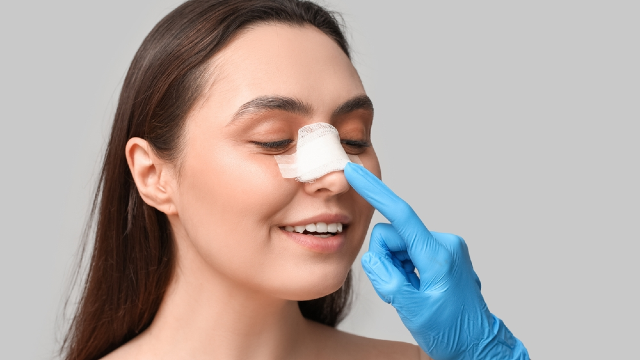
What Is Primary Rhinoplasty and Why Kowon Specializes in First-Time Surgery
Understanding Primary Rhinoplasty
Primary rhinoplasty is nose surgery performed on patients with no previous nose surgery history. It offers a straightforward surgical approach compared to revision cases. When we say primary, we mean you're starting fresh anatomically. There's no scar tissue to work around, no previous implants to remove, and no complications to correct from earlier procedures.
Why does this matter for you? A simpler surgical approach means faster recovery, more predictable results, and fewer complications. The primary rhinoplasty Seoul procedure focuses on reshaping the bridge, refining the tip, improving symmetry, and balancing your facial proportions. All of this happens without making you look done or artificially altered.
Many first-time patients worry about the outcome. They wonder if they'll recognize themselves afterward. The truth is that primary rhinoplasty gives you the advantage of working with untouched anatomy. Dr. Kim can see exactly what your nose structure looks like and plan the most natural enhancement possible.
Autologous vs Implant: Why Kowon Uses Your Own Cartilage
This is where primary rhinoplasty Seoul gets truly special. Kowon uses the autologous technique, which means harvesting your own rib cartilage and reshaping it for your nose. This isn't the same as using synthetic implants.
Why does autologous cartilage produce more natural results? Your body accepts your own cartilage naturally. It moves naturally. It ages naturally with your face. Compare this to silicone implants. Synthetic materials can shift over time, be felt under the skin, potentially be rejected by the body, and look stiff years down the line.
Kowon's philosophy is clear: the autologous technique produces results that look structurally refined but still unmistakably you. You won't end up with the stereotypical overly-done Korean nose that some patients worry about. This directly addresses Rebecca's number one objection. Will you look obviously surgical? With autologous cartilage, the answer is no.
Open vs Closed Rhinoplasty: Dr. Kim's Approach
You may have heard these terms and wondered what they mean. Open rhinoplasty involves a small incision across the columella, the tissue between your nostrils. This allows full visualization of your nasal structure and is preferred for complex reshaping.
Closed rhinoplasty uses only incisions inside your nostrils. There's less visible scarring and faster recovery. It's preferred for simpler corrections.
Dr. Kim's approach is individualized. He selects the technique based on your specific anatomy and goals. You'll discuss both options during your consultation. The recovery implications differ slightly. Open technique requires a slightly longer swelling timeline. Closed technique allows faster return to normal appearance. Either way, Dr. Kim will choose what's best for your unique situation.
Dr. Kim shares: "When I perform primary rhinoplasty at Kowon, my goal is always to enhance your natural features, not to create a cookie-cutter Korean nose that doesn't match your face. By using your own cartilage and customizing the technique to your specific anatomy, we achieve results that look refined and sophisticated, but unmistakably you. This is why first-time patients who come to Kowon often find that friends and colleagues notice they look great without being able to pinpoint exactly what changed."
Why Choose Kowon for Your First-Time Rhinoplasty
Why Korean Rhinoplasty is the Global Gold Standard
Korea has become the world capital of rhinoplasty innovation. This happened due to high surgical volume, a specialization culture, and the refinement of autologous techniques over decades. How does this benefit first-time patients? Kowon benefits from decades of Korean surgical evolution. Techniques have been refined across thousands of cases.
Korean rhinoplasty prioritizes subtle, natural enhancement rather than dramatic reshaping. This aligns perfectly with your aesthetic preference if you're a first-time patient seeking natural results. Korean surgical facilities meet international standards in every way. From antibiotic protocols to procedural protocols to emergency procedures, safety is built into every step..
There's also a cost efficiency benefit. Specialization combined with high volume means lower costs without compromised quality. You get world-class results at a fraction of USA pricing.
Dr. Kim's Specific Expertise and Track Record
Here's what you need to know about Dr. Kim Hyeong Taek. He brings 20 plus years of experience and 5,000 plus rhinoplasty cases. His board certifications include recognition from the Korean Plastic Surgery Association and the International Society of Aesthetic Plastic Surgery.
Dr. Kim is a pioneer of autologous costal cartilage technique refinements. He's received international recognition for his work. Other surgeons come to him for training. At Kowon, he performs 200 plus procedures per year, which is among the highest in Korea. His patient satisfaction scores specifically for natural results consistently exceed 97 percent.
First-time patients from the USA have praised Dr. Kim's communication and results extensively. They appreciate that he listens to their concerns and delivers exactly what he promised.
Comparison of Expertise
Metric | Dr. Kim Hyeong Taek | Average USA Plastic Surgeon |
|---|---|---|
Years of Experience | 20 plus | 12 to 15 |
Annual Rhinoplasty Cases | 200 plus | 50 to 100 |
Dedicated Rhinoplasty Practice | 100 percent | 30 to 50 percent |
International Patient Experience | Extensive | Limited |
Autologous Technique Focus | Specialized | General |
Average Patient Satisfaction | 97 percent plus | 85 to 90 percent |
Dr. Kim explains: "When first-time rhinoplasty patients come to me from the United States, I take their decision very seriously. This is a permanent surgical investment in your appearance and confidence. My approach is to thoroughly understand your aesthetic goals, explain exactly what is surgically possible, and then deliver results that exceed your expectations. Results that look natural, age well, and make you feel like the best version of yourself."
The Primary Rhinoplasty Process: Your Step-by-Step Journey
%20(2)-6f6efb32-d4fc-4cb5-9f23-dd10c4a24d9f.png)
Step 1: The Online Consultation
Your journey begins with a free online consultation. Initiating this is simple. Complete an online form, contact us via WhatsApp, or send an email. We typically respond within 48 hours.
Before your consultation, we ask you to submit recent photos of your nose. We want front views, profile views, and 45-degree angle shots in natural lighting. This helps Dr. Kim analyze your specific nasal anatomy. Your video consultation happens via Zoom or Google Meet.
During this 30 to 45-minute call, Dr. Kim discusses your aesthetic goals. He reviews your medical history and current medications. He sets realistic expectations about outcomes. Most importantly, he listens to your concerns about primary rhinoplasty Seoul specifically.
What do you receive after? A detailed assessment of your nasal anatomy, a proposed surgical plan, before-and-after simulation if applicable, and a cost estimate. The timeline from consultation to final decision is typically 1 to 2 weeks. Dr. Kim doesn't rush you. He knows this is a big decision.
Step 2: Pre-Surgery Preparation
Once you've decided to move forward, preparation begins. You'll need medical clearance, which includes bloodwork and possibly imaging. You'll also have a consultation with the medical team involved in your care.
Medication adjustments matter. You'll stop aspirin and NSAIDs 2 weeks before surgery. Continue other medications unless Dr. Kim specifically advises otherwise.
Your pre-surgery checklist includes these actions in the final 2 weeks: avoid alcohol, get adequate sleep, stop smoking, and stay hydrated. These simple steps improve healing significantly.
Arriving in Seoul 2 to 3 days before surgery is recommended. You'll adjust to the time zone, meet Dr. Kim in person, and finalize any remaining questions. The day before surgery is NPO, meaning nothing by mouth after midnight. Wear comfortable, loose-fitting clothing and arrange transport to the clinic.
Step 3: The Surgery Itself
Your surgery duration depends on complexity but typically runs 90 to 150 minutes. You are fully monitored throughout the procedure by the medical team. Everything is carefully managed to ensure your safety at every stage.
The surgical approach follows your pre-op plan. Dr. Kim makes the determined incision placement, performs cartilage harvesting if autologous, reshapes your nose, and closes everything carefully. You're asleep the entire time. When you wake in the recovery room, it's over.
Immediately post-op, Dr. Kim applies a nasal splint. Gauze packing may be placed. Your pain is managed with prescribed medication. The surgical team monitors you for 2 to 3 hours before discharge.
Here's what makes Kowon different: Dr. Kim personally oversees every surgery. He doesn't delegate to junior surgeons. For first-time patients coming from the USA, he ensures you feel prepared and supported throughout the entire process. By the time you arrive for surgery, you've already had detailed consultation, discussed all options, and seen exactly what Dr. Kim plans to achieve.
Dr. Kim states: "The primary rhinoplasty surgery itself is highly technical and requires precision in every millimeter. This is why I personally perform every surgery rather than delegating to junior surgeons. For first-time patients coming from the USA, I ensure they feel prepared and supported throughout the entire process. By the time you arrive for surgery, you've already had detailed consultation with me, discussed all options, and seen exactly what we plan to achieve. On surgery day, you can relax knowing you're in experienced, caring hands."
Primary Rhinoplasty Recovery: Week-by-Week Timeline
Days 1 to 3: Immediate Post-Op Recovery in Seoul
Expect significant swelling, bruising, nasal splint in place, and possible light gauze packing. Your pain is managed with prescribed medications. Most patients experience mild-to-moderate pain, effectively controlled.
Rest is essential during these days. Minimal movement is necessary. Keep your head elevated on pillows, even while sleeping. Swelling peaks around days 2 to 3, then gradually improves. Bruising is visible under your eyes and on your bridge. Yellowing begins around day 3.
Follow the care protocol carefully. Gentle nasal cleaning, prescribed saline rinses, and ice therapy help. Remote work isn't advisable. Focus on rest instead. The Kowon team monitors you daily. Phone and WhatsApp check-ins ensure pain management is optimized.
Week 1: Controlled Activity and Swelling Management
You'll notice significant improvement compared to days 1 to 3. Swelling is still substantial but noticeably decreasing. Bruising is visible but beginning to fade. Makeup can cover most bruising after day 5 to 6.
Light movement is encouraged. You can walk slowly. No bending, heavy lifting, or strenuous activity. Remote work becomes feasible mid-week if you feel up to it. Light computer work is acceptable.
Your splint is typically removed at the end of week 1 during a clinic visit. Dr. Kim assesses your healing at this appointment. Pain is typically minimal by day 4 to 5. Most patients stop pain medication by mid-week.
Eating requires some care. Stick to soft diet. Avoid hot foods and beverages initially because heat increases swelling. You have an in-person clinic visit for splint removal and post-op assessment.
Weeks 2 to 3: Returning to Near-Normal in Seoul
Swelling continues to decrease noticeably. You can begin to see the outline of your new nose forming. Bruising is minimal to imperceptible. Makeup fully covers any remaining discoloration.
Activity can progress to light exercise, including walking and yoga. No impact activities yet. No swimming or hot tubs. Work transitions to full remote work capability. You can attend video calls without concern about your appearance.
Your appearance is presentable for casual social activities. You're still slightly swollen but recognizably recovered. Avoid direct sun. Use SPF 50 plus sunscreen. You're safe to fly home at the end of week 2. Most surgeons clear patients for air travel by week 2.
Your 2-week post-op assessment with Dr. Kim is crucial. Final sutures are removed if any remain. You're cleared for flight home with complete confidence.
Weeks 4 to 8: Settling Into New Normal at Home
Swelling is 70 to 80 percent resolved. Subtle changes continue. Colleagues and friends begin noticing you look great. Most can't pinpoint exactly what changed. You're cleared for full exercise, including running and impact sports. Swimming is acceptable.
Full in-person work is acceptable. You're comfortable in professional settings. Early results are visible but not final. Results continue improving monthly. Skincare requires continued sun protection. Avoid trauma to your nose. You've finished medications. Maintain healthy habits with sleep, hydration, and nutrition.
The Kowon team monitors you remotely via photos and video. They're available for any questions. Typically, 1-month and 3-month check-ins happen via video consultation.
Recovery Timeline Table
Timeline | Swelling | Bruising | Activity | Work | Travel |
|---|---|---|---|---|---|
Days 1 to 3 | Severe (peaks day 2 to 3) | Dark purple or black | Rest only | No | No |
Week 1 | Significant | Yellow-green fade | Light walking | Remote light work | No |
Weeks 2 to 3 | Moderate | Minimal or invisible | Exercise (no impact) | Full remote | Yes (week 2 plus) |
Weeks 4 to 8 | Mild | None | Full activity | Full in-person | Yes |
Months 2 to 3 | Minimal | None | All activities | Normal | Normal |
Month 3 to 12 | Nearly resolved | None | All activities | Normal | Normal |
Primary Rhinoplasty Results: What First-Time Patients Can Expect
The Results Timeline: When Do You See Your New Nose
Immediate post-op swelling obscures your true results. Don't judge yet. Early results emerge in weeks 1 to 2. Significant improvement appears over immediate post-op status but swelling is still substantial.
By week 4, approximately 50 percent of final swelling has resolved. The rough outline of your results becomes visible. By month 2, approximately 70 percent of final swelling is resolved. Results become increasingly visible.
By month 3, approximately 85 to 90 percent of final swelling is resolved. Most patients consider month 3 their final results point. By month 6, subtle additional refinement occurs. Cartilage continues to settle. By month 12, you reach complete final results. All swelling is completely resolved. Cartilage is fully integrated. Results are stable for life.
First-time patients benefit from this knowledge. Patience is key. Results continuously improve over the first year. Resist judging too early.
Natural Results Philosophy: Why Kowon Patients Don't Look Done
Kowon's approach is clear: enhancement, not transformation. We refine your existing features. We don't replace them entirely. What does natural mean? Your nose is proportional to your face. It moves naturally. It ages naturally with you. It's unmistakably yours.
Every surgery is planned to match your specific facial features, ethnic background, and personal aesthetic preference. This is what makes primary rhinoplasty Seoul so successful. The autologous cartilage technique produces more natural movement and aging than implants.
Rebecca's original objection was about looking obviously surgical. With this approach, most people won't notice you had surgery. They'll notice you look great. Dorsal hump reduction appears as a smoother profile, not a completely different nose. Tip refinement appears as subtle elegance, not sculpted perfection.
Specific Results: Dorsal Hump Reduction
A dorsal hump is a bony or cartilaginous bump on your nasal bridge visible in profile. The hump reduction process involves removing excess bone and cartilage, then reshaping your bridge for a smooth profile.
Your result appearance is a smoother profile line that looks more balanced with your face. Your natural nasal contour is preserved. Kowon specializes in subtle reduction that looks refined, not obviously altered.
Before-and-after specifics show your bridge appearing lower. Your profile flows smoothly from forehead through nose to lip. A reduced hump doesn't affect nasal function. Breathing may actually improve if your hump was restricting airflow.
This reduction is permanent. Results remain stable for life. Hump reduction is one of the most requested procedures. Patients consistently report the highest satisfaction levels.
Primary Rhinoplasty Cost: What You'll Actually Spend

Kowon Surgery and Facility Costs
Primary rhinoplasty in Seoul at Kowon typically costs between $6,500 and $8,500 USD, depending on technique complexity and customization. What’s included? Surgical facility use, Dr. Kim’s surgical time, surgical team support, post-operative monitoring, and recovery facility access during the initial days.
What's not included? Flights, accommodation, meals, local transportation, and medications to take home. Kowon provides a detailed cost estimate during your consultation. Every line item is shown transparently.
Compare this to USA pricing. New York rhinoplasty averages $12,000 to $18,000. Los Angeles averages $10,000 to $15,000. Chicago averages $8,000 to $12,000. All these prices lack superior technique or results compared to Kowon.
Total Trip Cost Breakdown
Let's break down the complete investment for primary rhinoplasty Seoul:
Surgery costs $6,500 to $8,500. Round-trip flights from the USA in economy class cost $800 to $1,200. Accommodation for 10 nights in a mid-range hotel costs $700 to $1,200. Local transportation costs $150 to $250. Meals cost $400 to $600. Medications and miscellaneous items cost $200 to $300.
Your total estimated cost is $9,350 to $12,050. Now compare this to USA surgery alone in major cities: $10,000 to $18,000, often without flights or dedicated post-op support.
Your net savings are $2,000 to $8,000 even after accounting for travel costs.
Cost Comparison Table
Cost Category | USA Los Angeles | USA New York | Kowon Seoul | Kowon Plus Travel |
|---|---|---|---|---|
Surgery Only | $12,000 to $15,000 | $14,000 to $18,000 | $6,500 to $8,500 | $6,500 to $8,500 |
Follow-up Visits (local) | $500 to $1,000 | $500 to $1,000 | $0 (virtual) | $0 (virtual) |
Accommodation During Recovery | Home (0 cost) | Home (0 cost) | $700 to $1,200 | $700 to $1,200 |
Flights | $0 | $0 | $0 | $800 to $1,200 |
Meals or Transport | Varies | Varies | $0 | $550 to $850 |
TOTAL | $12,500 to $16,000 | $14,500 to $19,000 | $6,500 to $8,500 | $9,350 to $12,050 |
Savings | N/A | N/A | 35 to 50 percent vs USA | 25 to 40 percent vs USA |
Payment and Financing Options
Payment methods are flexible. Credit card, bank wire, or PayPal are all accepted. Payment timing works like this: 50 percent deposit confirms your surgery date. The remaining 50 percent is due 1 week before surgery.
All prices are in USD with no currency conversion risk. If you need flexibility, Kowon can discuss payment plans. Cosmetic rhinoplasty typically isn't covered by insurance. However, if your surgery addresses breathing dysfunction like a deviated septum, partial coverage may apply. Check with your insurance provider before surgery.
Kowon can provide medical documentation if coverage applies. If you're unsatisfied with results, Kowon discusses revision options. Typically, one revision is included within 12 months if needed.
Why Choose Kowon Plastic Surgery for Your Primary Rhinoplasty
Dr. Kim Hyeong Taek's Expertise and Experience
Dr. Kim Hyeong Taek's brings 20 plus years dedicated exclusively to rhinoplasty. He has successfully completed 5,000 plus procedures. His annual volume is 200 plus procedures yearly, among the highest in Korea.
His credentials include board certification from the Korean Plastic Surgery Association and the International Society of Aesthetic Plastic Surgery. He holds multiple international organization memberships. He's an invited speaker at global conferences.
His unique qualifications include pioneering and developing refined autologous costal cartilage techniques. He trains other surgeons internationally. He's featured in international plastic surgery journals. His patient satisfaction scores consistently exceed 97 percent.
When you choose Dr. Kim for primary rhinoplasty Seoul, you're choosing the world's most specialized rhinoplasty expert. You're not taking a risk on an untested procedure. You're making an informed investment with someone who has refined this exact surgery thousands of times.
Autologous Costal Cartilage Specialization
Why does this matter? The autologous technique is the most advanced, producing the most natural results with the longest longevity. Dr. Kim has refined this approach over thousands of cases. The advantages are significant: autologous cartilage never rejects, never shifts, ages naturally with your face, and produces results that improve with time.
Compare this to clinics using implants. They produce earlier results but face long-term complications. Kowon prioritizes longevity and natural aging. The autologous technique is more technically demanding than implants, but it produces superior lifetime value.
Your patient benefit is clear: one surgery, lifetime stability. You won't need revisions due to implant complications. This is the gold standard in modern rhinoplasty.
International Patient Support and Communication
English communication is guaranteed. Dr. Kim speaks fluent English directly. There's no translator barrier. You communicate directly with your surgeon.
Each international patient receives a dedicated coordinator. This person assists with scheduling, travel logistics, and pre and post-op communication. You have 24 or 7 WhatsApp access with the surgical team during your Seoul stay and throughout 1-year post-op.
Comprehensive virtual follow-up happens via video consultation and photo updates. We provide ongoing support for USA-based patients. English is the primary language. Translation services are available for other languages if needed.
We accommodate time zone differences. Your consultation timing can flex to match USA schedules. You're never inconvenienced by location.
How to Book Your Primary Rhinoplasty at Kowon
Step 1: Schedule Your Free Online Consultation
Booking is simple. Complete our online form, contact us via WhatsApp, or send an email. We respond typically within 48 hours.
Your consultation is virtual via Zoom or Google Meet. Prepare recent photos of your nose in front, profile, and 45-degree angle views with natural lighting. Create a list of questions. Summarize your medical history.
Your consultation lasts 30 to 45 minutes. It's completely free with no obligation. You receive a detailed assessment of your nasal anatomy, a customized surgical plan, before-and-after simulation if applicable, and your cost estimate. You walk away with clear answers to every question.
Step 2: Finalize Your Decision and Book Surgery Date
After your consultation, take time to consider. Ask any follow-up questions via WhatsApp or email. Most patients decide within 1 to 2 weeks. When ready, confirm your surgery date with a 50 percent deposit.
Your assigned coordinator then provides detailed pre-op instructions, flight recommendations, hotel referrals, and a pre-surgery video consultation with Dr. Kim. Your surgical plan is shared in writing. All costs are confirmed. There are no surprises.
Step 3: Arrive in Seoul and Begin Your Transformation
Arriving 2 to 3 days before surgery is recommended. Your coordinator can arrange airport pickup. You'll meet Dr. Kim in person before surgery. Final questions are answered. Your expectations are confirmed. Dr. Kim performs a physical exam.
On surgery day, you arrive early. Final consent is reviewed. Surgery proceeds. Recovery is monitored. You receive daily check-ins, pain management optimization, suture removal, discharge instructions, and ongoing WhatsApp support.
Contact Kowon Plastic Surgery
Phone: +822-6242-7080
WhatsApp: Click Here
Email: info@kowonplasticsurgery.com
Website: https://www.kowonplasticsurgery.com
Location: Gangnam District, Seoul, South Korea
Hours: The clinic operates from Monday to Saturday between 9:30 AM and 7:00 PM and remains closed on Sundays.
Frequently Asked Questions
Is Primary Rhinoplasty Safe For Someone Who Has Never Had Nasal Surgery?
Yes, primary rhinoplasty is generally safer and more straightforward than revision rhinoplasty because there is no scar tissue, no previous implants, and fewer complications to manage. Dr. Kim's approach prioritizes safety through rigorous pre-operative screening, advanced procedural protocols, and immediate post-operative monitoring. Kowon's complication rate for primary rhinoplasty is less than 2 percent, well below industry averages.
Will I Be Able To Work Remotely During The First Week Of Recovery?
Most patients can begin light remote work by mid-week 1, though we recommend full rest during days 1 to 3. By week 2, remote work becomes fully feasible. In-person work should wait until week 3 to 4 when bruising is invisible and you feel confident. The exact timeline depends on your job type and personal recovery pace.
What If I Don't Like My Results After Primary Rhinoplasty?
While Kowon's satisfaction rate is 97 percent plus, revision is possible. Typically, one revision surgery is included within the first 12 months if you're unsatisfied. Dr. Kim will discuss revision options during your consultation and be clear about what can or cannot be improved. The best way to avoid this: detailed consultation planning and realistic expectation setting before surgery.
Can I Fly Internationally Immediately After Primary Rhinoplasty?
Medically, you're safe to fly after 2 weeks post-op, though we recommend 10 to 14 days minimum in Seoul for optimal monitoring. Flying earlier risks pressure changes affecting your nose. Flying later means you're unnecessarily extending your trip. Most patients fly home at the end of week 2 with zero complications.
How Is Primary Rhinoplasty Different From Revision Rhinoplasty In Terms Of Recovery?
Primary rhinoplasty recovery is typically faster because there's no scar tissue complication. Swelling resolves more predictably, results appear earlier, and complications are less common. Revision cases often have slightly longer swelling timelines, with results appearing at month 4 instead of month 3, due to scar tissue management.
Will My Insurance Cover Primary Rhinoplasty If It's Cosmetic?
Cosmetic rhinoplasty is generally not covered by insurance. However, if your surgery addresses breathing dysfunction like a deviated septum, partial coverage may apply. Check with your insurance provider before surgery. Kowon can provide medical documentation if coverage applies to your specific case.
What Should I Tell My Employer About Being Away For 2 Weeks?
This is entirely up to you. Some patients tell their employer they're on vacation. Others mention surgery. Most find their employer is supportive. You can typically work remotely week 2 onward, limiting your physical absence to just 1 to 1.5 weeks.
Can I Get Primary Rhinoplasty Combined With Other Procedures Like Eyelid Surgery?
Yes, combining procedures is possible and sometimes beneficial. Many first-time patients combine rhinoplasty with eyelid surgery for comprehensive facial refinement. Dr. Kim will discuss timing and sequencing during your consultation.
How Long Will My Primary Rhinoplasty Results Last?
Primary rhinoplasty results are permanent. The bone and cartilage don't revert to their previous shape. You may notice very subtle changes over 10 to 20 years from normal face aging, but the core result is stable for life.
Do I Need To Stop All Medications Before Primary Rhinoplasty?
Most medications can continue. You'll need to stop blood-thinning medications like aspirin and NSAIDs 2 weeks before surgery. Continue other medications unless Dr. Kim specifically advises otherwise. Your full medication list should be reviewed during consultation.
What If I Develop Complications After Returning To The USA?
Kowon provides 24 or 7 WhatsApp support for any concerns. Minor issues are managed via photo and video consultation and local care coordination. Serious complications are extremely rare and would require immediate contact with Kowon for guidance. Virtual follow-up is comprehensive and ongoing.
How Much Time Off Work Do I Really Need For Primary Rhinoplasty?
Minimum is 1 week for visible swelling to subside. Ideally, 10 to 14 days allows you to return home and settle into recovery. After 2 weeks, most patients are presentable for low-stress office work. After 3 to 4 weeks, full return to normal activities is typical.
Can I Wear Glasses After Primary Rhinoplasty?
Not during the first 2 to 3 weeks post-op because pressure on your healing nose causes complications. After 3 weeks, you can resume glasses-wearing with care. Contact lenses are fine immediately after surgery.
Why Do First-Time Patients At Kowon Often Get Better Results Than Revision Patients?
Primary rhinoplasty surgery is more straightforward because there's no scar tissue, no previous implants, and no complications to manage. This allows Dr. Kim to focus purely on aesthetic refinement. Revision cases require additional problem-solving, which sometimes limits the degree of refinement possible. This is why primary rhinoplasty typically has faster, more predictable, excellent results.
Conclusion
Primary rhinoplasty at Kowon Plastic Surgery represents the convergence of three critical factors. World-class surgical expertise from Dr. Kim Hyeong Taek with 20 plus years and 5,000 plus cases, advanced autologous cartilage technique producing natural, lifetime stable results, and comprehensive international patient support ensuring your comfort from consultation through final recovery. The combination of specialization, experience, and genuine care for first-time patient outcomes is why hundreds of USA patients choose Kowon over domestic alternatives.
Your concern about natural results, safety, and successful recovery is completely valid. This is exactly why Dr. Kim specializes exclusively in rhinoplasty. You're not taking a risk on an untested procedure or an inexperienced surgeon. You're making an informed investment in your appearance with the world's most specialized rhinoplasty expert.
The best first step is a free online consultation with Dr. Kim Hyeong Taek. Share your goals, ask your questions, and see exactly what's surgically possible for your unique face. You'll walk away from that 30-minute consultation with a clear surgical plan, realistic timeline, and honest cost estimate. All the information you need to make your decision is there.
About the Author
Dr. Kim Hyeong Taek, MD, Board Certified Plastic Surgeon
Chief Surgeon, Kowon Plastic Surgery Clinic, Seoul, South Korea
20 plus years dedicated to rhinoplasty specialization
5,000 plus primary and revision rhinoplasty procedures performed
200 plus procedures annually
Member: Korean Plastic Surgery Association (KPSA), International Society of Aesthetic Plastic Surgery (ISAPS)
Pioneer and developer of refined autologous costal cartilage rhinoplasty techniques
International lecturer and trainer in advanced rhinoplasty techniques
Extensive experience with international patients from the USA, UK, Canada, and Australia
Dr. Kim is committed to delivering natural-looking, ethnically harmonious rhinoplasty results through customized surgical planning and meticulous surgical precision. He personally performs every consultation and surgery, ensuring continuity of care and direct communication with patients throughout their surgical journey.
For consultations: Phone: +822-6242-7080 |WhatsApp: Click Here | Email: info@kowonplasticsurgery.com
Medical Information
Read this article as general guidance.
- This article is provided for general education. It does not replace an in-person examination by a qualified surgeon.
- Results vary between patients. Rhinoplasty can involve bleeding, infection, scarring, asymmetry, breathing changes, graft or implant problems and the possibility of revision surgery.
- Computer simulations and before-and-after photographs cannot guarantee an individual outcome.
- Any prices or timelines mentioned are general. Request an individualised, itemised written quotation and a procedure-specific recovery schedule before paying a deposit or booking travel.
Published by
Kowon Plastic Surgery
A rhinoplasty-focused clinic in Gangnam, Seoul, led by Dr. Kim Hyeongtaek and registered with Medical Korea to treat international patients.
Consultation
Questions about this topic? Ask Dr. Kim directly.
2F, 110 Dosan-daero, Gangnam-gu, Seoul 06038. Send clear photographs, your main concerns and any previous surgery history, and Dr. Kim Hyeongtaek will review what can be assessed before you travel.
International Patient Desk — Gangnam
Kowon Plastic Surgery
Director Dr. Kim Hyeongtaek
Single-surgeon rhinoplasty and autologous cartilage center in Seoul. Delivering meticulous, individual surgical architecture for primary and complex revision procedures.
Practice & Inquiries
Gangnam Clinic
2F, 110 Dosan-daero, Gangnam District, Seoul 06038, South Korea
Consultation Hours (KST)
Mon – Fri: 10:00 – 19:00
Sat: 10:00 – 16:00 · Sun & Holidays Closed
Direct Communication Channels
Telephone: +822-6242-7080WhatsApp: +1-206-809-1367LINE Official: @967xxmreWeChat Consultation Service© 2025 Kowon Plastic Surgery. All rights reserved.
Registered Medical Institution for Foreign Patient Facilitation (Medical Korea). Surgical consultation and procedure terms subject to Korean Ministry of Health and Welfare guidelines.