
Patient Education
Nose Fillers vs Rhinoplasty: Expert Guide by Dr. Kim
Discover whether nose fillers or rhinoplasty is right for you. Dr. Kim of Kowon Plastic Surgery shares expert insights and personalized tips.
Article
Published by Kowon Plastic Surgery, Gangnam, Seoul
When considering enhancements to your nose, the choice between non-surgical fillers and traditional rhinoplasty isn't just cosmetic—it's deeply personal. Both options are widely performed, especially in South Korea, where aesthetic refinement is highly sought after. At Kowon Plastic Surgery in Gangnam, Seoul, Dr. Kim Hyung Taek brings nearly two decades of expertise to help patients navigate this decision with confidence and clarity.
Understanding Nose Fillers (Liquid Rhinoplasty)

Nose fillers, often referred to as non-surgical rhinoplasty, involve injecting hyaluronic acid-based dermal fillers to contour or smooth nasal features. This treatment has surged in popularity among patients looking for subtle, temporary adjustments without committing to surgery.
Quick Snapshot:
Duration: 20–30 minutes
Downtime: Minimal to none
Results: Immediate, lasting 6–12 months
These fillers can refine the nasal profile by addressing issues such as dorsal humps, shallow bridges, or minor asymmetries. They’re ideal for individuals seeking visual improvements without drastic structural changes.
Ideal For:
Smoothing out bumps or irregular contours
Elevating a flat nasal bridge
Correcting minor asymmetry or depressions
Dr. Kim's Insight: “For patients who are unsure about surgery or want to preview changes, fillers offer an effective bridge between no treatment and full rhinoplasty.”
The Rhinoplasty Route: Surgical Reshaping
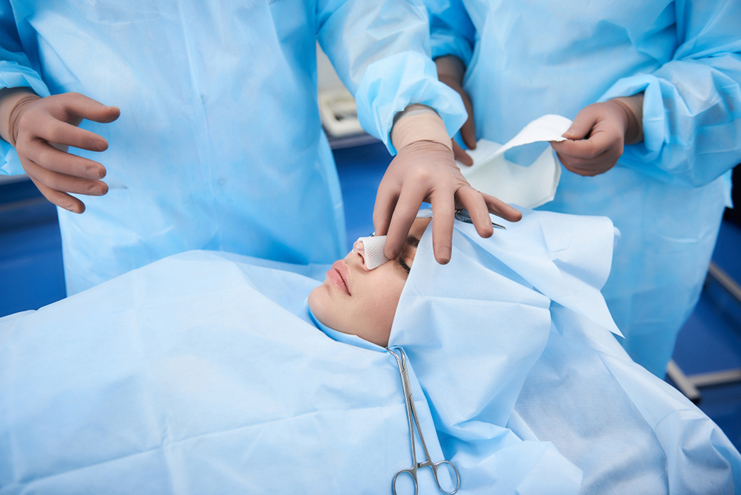
Rhinoplasty, colloquially known as a nose job, is a surgical procedure that permanently alters the nose’s structure. It's chosen by those needing dramatic changes or correction of functional issues, like a deviated septum or congenital nasal deformities.
Key Details:
Duration: 1–3 hours
Downtime: Several weeks to months
Longevity: Permanent results
Depending on the patient’s goals, the surgery can be approached in two main ways:
Open rhinoplasty: Offers greater access for complex reshaping
Closed rhinoplasty: Leaves no visible scarring, ideal for simpler adjustments
Techniques at Kowon: Dr. Kim specializes in autologous rib cartilage rhinoplasty—a method using the patient’s own rib cartilage. This approach is especially effective for revision cases, patients with thin skin, or those needing stronger support.
Why It’s Preferred:
Provides robust structural support
Low risk of rejection or complications
Produces long-lasting, natural-looking outcomes
Comparative Breakdown
Factor | Nose Fillers | Rhinoplasty |
|---|---|---|
Invasiveness | Non-invasive | Surgical, invasive |
Recovery | Hours to 2 days | Weeks to months |
Cost | Lower | Higher (due to surgery |
Customization | Mild to moderate | Extensive reshaping possible |
Longevity | 6–12 months | Permanent |
Functionality | Cosmetic only | Aesthetic + Functional fixes |
Which Is Right for You?

Go for Nose Fillers if you:
Want a quick fix or preview of changes
Are not ready for permanent alterations
Prefer little to no downtime
Choose Rhinoplasty if you:
Seek lasting structural or cosmetic change
Need to address breathing or nasal deformities
Are emotionally and financially prepared for surgery
Case Example: Jin-woo, 27, chose fillers to refine his nasal bridge before a major event. Six months later, feeling confident, he returned to Kowon for rhinoplasty, citing the filler preview as pivotal in his decision.
Patient Considerations:
Age: Rhinoplasty is generally recommended after nasal growth is complete (typically after age 15–16)
Skin thickness: Affects how well filler or surgical outcomes are visible
Expectations: Patients should have realistic goals for both treatments
Recovery & Safety Considerations
Nose Fillers:
Swelling and bruising are typically minimal
Avoid direct pressure on the nose for at least 24–48 hours
Results can be reversed using hyaluronidase if needed
Rhinoplasty:
Initial swelling and bruising last several weeks
Avoid strenuous activity for at least 4–6 weeks
Final results become fully visible within 6–12 months
Safety Protocols at Kowon:
FDA-approved filler materials and sterile environments
3D facial imaging for planning surgical approaches
Bilingual care coordinators for international patients
Post-op monitoring for healing and aesthetic alignment
Dr. Kim ensures each procedure is tailored to the patient’s anatomy, lifestyle, and aesthetic vision, with a strong focus on safety and longevity.
South Korea’s Aesthetic Landscape
South Korea leads the global aesthetic field, with an emphasis on natural enhancement and innovation. Both nose fillers and rhinoplasty are increasingly popular across age groups.
Current Trends:
Non-surgical enhancements are booming among patients in their 20s
Revision rhinoplasty is growing due to demand for improved results from previous procedures
Techniques using autologous materials (like rib cartilage) are gaining popularity for their safety and lasting effects
Stats to Know:
Over 70,000 rhinoplasty procedures performed annually in South Korea
Non-surgical nose jobs have increased by 18% year-over-year
Korean cosmetic clinics are recognized for blending artistry with precision, attracting a global clientele seeking refined results with minimal downtime.
Why Trust Kowon Plastic Surgery?
With more than 19 years of experience and over 10,000 rhinoplasty procedures, Dr. Kim Hyung Taek is internationally recognized for his precision, natural results, and compassionate care. Kowon offers:
Personalized 1:1 consultations with digital imaging
Specialized expertise in Asian and revision rhinoplasty
Comprehensive aftercare and healing management
International services: visa support, interpreters, post-surgery accommodations
What Patients Say:
“I traveled from Canada for rib cartilage rhinoplasty. Dr. Kim's team made the process seamless, and the results exceeded my expectations.” — Sujin, 31
Final Thoughts
Deciding between nose fillers and rhinoplasty isn’t just a matter of downtime or cost—it’s about your goals, readiness, and vision for your appearance. At Kowon Plastic Surgery, we’re here to help you make an empowered, informed decision, whether you’re seeking a subtle refresh or a transformative change.
Book a consultation today and discover the path that best suits your nose, your face, and your future self.
Medical Information
Read this article as general guidance.
- This article is provided for general education. It does not replace an in-person examination by a qualified surgeon.
- Results vary between patients. Rhinoplasty can involve bleeding, infection, scarring, asymmetry, breathing changes, graft or implant problems and the possibility of revision surgery.
- Computer simulations and before-and-after photographs cannot guarantee an individual outcome.
- Any prices or timelines mentioned are general. Request an individualised, itemised written quotation and a procedure-specific recovery schedule before paying a deposit or booking travel.
Published by
Kowon Plastic Surgery
A rhinoplasty-focused clinic in Gangnam, Seoul, led by Dr. Kim Hyeongtaek and registered with Medical Korea to treat international patients.
Consultation
Questions about this topic? Ask Dr. Kim directly.
2F, 110 Dosan-daero, Gangnam-gu, Seoul 06038. Send clear photographs, your main concerns and any previous surgery history, and Dr. Kim Hyeongtaek will review what can be assessed before you travel.
International Patient Desk — Gangnam
Kowon Plastic Surgery
Director Dr. Kim Hyeongtaek
Single-surgeon rhinoplasty and autologous cartilage center in Seoul. Delivering meticulous, individual surgical architecture for primary and complex revision procedures.
Practice & Inquiries
Gangnam Clinic
2F, 110 Dosan-daero, Gangnam District, Seoul 06038, South Korea
Consultation Hours (KST)
Mon – Fri: 10:00 – 19:00
Sat: 10:00 – 16:00 · Sun & Holidays Closed
Direct Communication Channels
Telephone: +822-6242-7080WhatsApp: +1-206-809-1367LINE Official: @967xxmreWeChat Consultation Service© 2025 Kowon Plastic Surgery. All rights reserved.
Registered Medical Institution for Foreign Patient Facilitation (Medical Korea). Surgical consultation and procedure terms subject to Korean Ministry of Health and Welfare guidelines.