Patient Education
How to Heal Faster After Rhinoplasty: Surgeon Tips
Recover faster after rhinoplasty with expert tips from Dr. Kim Hyung Taek of Kowon Plastic Surgery in Seoul. Learn how to reduce swelling, support healing, and protect your results — whether it's your first surgery or a revision.
Article
Published by Kowon Plastic Surgery, Gangnam, Seoul

If you're preparing for rhinoplasty — or you've just had one — it's natural to wonder, “How long will it take to heal?” More importantly, “Is there anything I can do to recover faster and better?”
At Kowon Plastic Surgery in Gangnam, Seoul, we believe that rhinoplasty recovery is not just about time — it’s about the quality of healing. Led by Dr. Kim Hyung Taek, a revision and rib cartilage rhinoplasty specialist with over 10,000 successful cases, our clinic emphasizes a safety-first, low-volume surgical approach that supports quicker, healthier recoveries.
Let’s walk through the key strategies that can help you heal faster after rhinoplasty — based on both medical science and years of firsthand surgical experience.
1. Reduce Swelling Early with Smart Cooling (Not Overcooling)
Right after surgery, swelling is your body’s natural response — but how you manage it matters.
For the first 48 to 72 hours, gentle cooling can help limit swelling and discomfort. We emphasize gentle, because excessive cold or direct ice application can reduce blood flow and actually delay healing.
Pro tip from Dr. Kim:
“Use a cool gel pack wrapped in soft cloth — apply to the cheeks and forehead, not directly on the nose. 10–15 minutes at a time, several times a day.”
Avoid sleeping on your side or applying pressure to your nose — swelling can worsen with poor head positioning or facial pressure.
2. Elevate Your Head — Even While Sleeping
This simple habit can make a noticeable difference. Keeping your head elevated helps drain fluids away from the surgical site, reducing both swelling and bruising.
How to do it right:
Use 2–3 pillows or a wedge pillow to keep your upper body propped up.
Continue for at least 7–10 days post-op, especially during sleep.
Some of our patients at Kowon use travel neck pillows to stay upright during naps — a small but helpful hack that protects the nose during unconscious movement.
3. Eat Light, Nutrient-Rich Foods That Support Healing
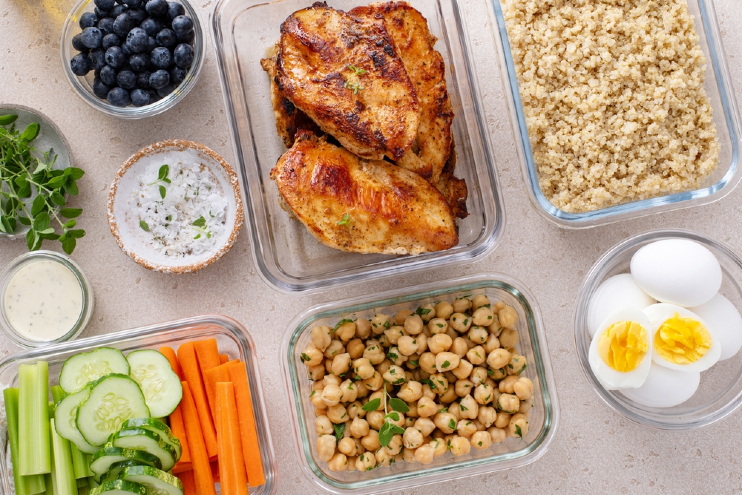
The body needs fuel to rebuild tissue — but not all food is created equal during recovery. Inflammation, digestion, and immune function are all affected by your diet.
What to eat:
Soft, easily digestible meals (soups, steamed rice, cooked vegetables)
Protein-rich foods like eggs, tofu, and fish
Hydrating foods like cucumbers, watermelon, and broths
What to avoid:
Spicy or salty foods that may increase swelling
Hard-to-chew items (they strain the facial muscles)
Alcohol and smoking — both can slow wound healing and increase complication risks
4. Protect Your Nose From Accidental Bumps and Overuse
You might feel “normal” a few days after surgery, but internal healing takes weeks to months — and even a small impact can affect your results.
At Kowon, we’ve seen cases where patients bumped their nose just a week after surgery, causing asymmetry or cartilage shifts. These are preventable issues with a little care.
Practical precautions:
Avoid crowded places for at least 2–3 weeks
Wear button-down shirts instead of pullovers
Skip glasses for at least 4–6 weeks (or use cheek supports if necessary)
5. Follow Post-Op Instructions Like a Ritual
We design personalized aftercare plans for every rhinoplasty patient. Why? Because each nose is different — especially with revision or rib cartilage cases where healing dynamics are more complex.
But in general, your instructions might include:
Saline sprays to keep nasal passages moist
Gentle cleaning around incision areas with cotton swabs
Avoiding blowing your nose for at least 2 weeks
Scheduled follow-up visits to monitor internal healing
Neglecting one small post-op step can snowball into avoidable complications. As Dr. Kim often says:
“The surgery is only half the journey — the healing process is where results are refined.”
6. Be Patient with Swelling — Especially the Tip
It’s a truth many patients aren’t told: Nasal swelling can linger, especially at the tip. Even with a smooth recovery, it may take 6 months to a year for all swelling to fully resolve.
At Kowon, we take time to explain this upfront — particularly for revision rhinoplasty or cases involving rib cartilage, where tissue thickness and scarring can prolong swelling.
What you can do:
Trust the timeline — don’t panic at month 2 or 3
Communicate with your surgeon — send photos if unsure
Avoid overmassaging unless advised — too much pressure can distort healing cartilage
7. Manage Stress and Rest Mindfully
People often overlook the mind-body connection in surgical recovery. High stress can increase inflammation and slow down your body’s natural repair processes.
Support faster healing with:
7–9 hours of quality sleep
Gentle walking after the first few days to improve circulation
Relaxing activities like deep breathing, soft music, or light stretching (when approved)
Patients who stay calm, rested, and mentally present during recovery tend to report less pain, fewer setbacks, and smoother results.
8. Choose the Right Surgeon = The Right Start to Healing
-c2271ad2-9239-46f9-af23-67e9465d755d.jpg)
One of the most overlooked factors in recovery speed is the quality of the surgery itself. Clean dissection, minimal tissue trauma, and meticulous closure techniques all reduce healing time and swelling.
At Kowon Plastic Surgery, we specialize in:
Implant-free rhinoplasty, using natural rib cartilage for safer healing
Revision rhinoplasty, correcting scarred or over-operated noses
Function-preserving techniques, ensuring you can breathe well and look natural
Because we only accept a limited number of cases per day, each procedure is highly tailored — and that translates to better recovery outcomes.
Final Takeaway: Healing Is a Partnership — Between You and Your Surgeon
Rhinoplasty recovery isn’t about rushing to the finish line. It’s about supporting your body in doing what it naturally knows how to do — rebuild, adapt, and refine.
With the right surgical approach, clear guidance, and a little self-discipline, you can absolutely speed up your healing timeline without compromising results.
Considering Rhinoplasty in Korea?
Whether you’re planning a primary nose job or correcting a past procedure, choosing a clinic with deep expertise in both aesthetics and function is critical.
If you want:
Natural-looking results
Implant-free techniques using your own rib cartilage
A high-safety, precision-focused approach
…then consider Kowon Plastic Surgery in Gangnam — where every nose is treated like a masterpiece in progress.
Not sure if your previous surgery is healing properly?
Book a consultation with our team and get clear, honest guidance from revision rhinoplasty experts.
Kowon Plastic Surgery
Led by Dr. Kim Hyung Taek | Gangnam, Seoul
Global Leader in Natural, Implant-Free Rhinoplasty
Medical Information
Read this article as general guidance.
- This article is provided for general education. It does not replace an in-person examination by a qualified surgeon.
- Results vary between patients. Rhinoplasty can involve bleeding, infection, scarring, asymmetry, breathing changes, graft or implant problems and the possibility of revision surgery.
- Computer simulations and before-and-after photographs cannot guarantee an individual outcome.
- Any prices or timelines mentioned are general. Request an individualised, itemised written quotation and a procedure-specific recovery schedule before paying a deposit or booking travel.
Published by
Kowon Plastic Surgery
A rhinoplasty-focused clinic in Gangnam, Seoul, led by Dr. Kim Hyeongtaek and registered with Medical Korea to treat international patients.
Consultation
Questions about this topic? Ask Dr. Kim directly.
2F, 110 Dosan-daero, Gangnam-gu, Seoul 06038. Send clear photographs, your main concerns and any previous surgery history, and Dr. Kim Hyeongtaek will review what can be assessed before you travel.
International Patient Desk — Gangnam
Kowon Plastic Surgery
Director Dr. Kim Hyeongtaek
Single-surgeon rhinoplasty and autologous cartilage center in Seoul. Delivering meticulous, individual surgical architecture for primary and complex revision procedures.
Practice & Inquiries
Gangnam Clinic
2F, 110 Dosan-daero, Gangnam District, Seoul 06038, South Korea
Consultation Hours (KST)
Mon – Fri: 10:00 – 19:00
Sat: 10:00 – 16:00 · Sun & Holidays Closed
Direct Communication Channels
Telephone: +822-6242-7080WhatsApp: +1-206-809-1367LINE Official: @967xxmreWeChat Consultation Service© 2025 Kowon Plastic Surgery. All rights reserved.
Registered Medical Institution for Foreign Patient Facilitation (Medical Korea). Surgical consultation and procedure terms subject to Korean Ministry of Health and Welfare guidelines.