Patient Education
Faster Recovery After Revision Rhinoplasty | Kowon Seoul
Discover expert tips from Dr. Kim at Kowon Plastic Surgery in Seoul for faster, smoother recovery after revision rhinoplasty.
Article
Published by Kowon Plastic Surgery, Gangnam, Seoul
Revision rhinoplasty is more than just a cosmetic adjustment—it’s a highly specialized surgical procedure often sought to improve breathing or refine aesthetic outcomes from a previous rhinoplasty. While the surgery is intricate, your recovery journey is equally vital to achieving a satisfying result.
Dr. Kim Hyung Taek at Kowon Plastic Surgery in Seoul is renowned for his artistry and precision in revision rhinoplasty, especially using autologous rib cartilage for lasting, natural outcomes. But recovery success doesn’t rely solely on surgical skill—it hinges on how well you care for yourself post-op.
What Makes Revision Rhinoplasty Unique?
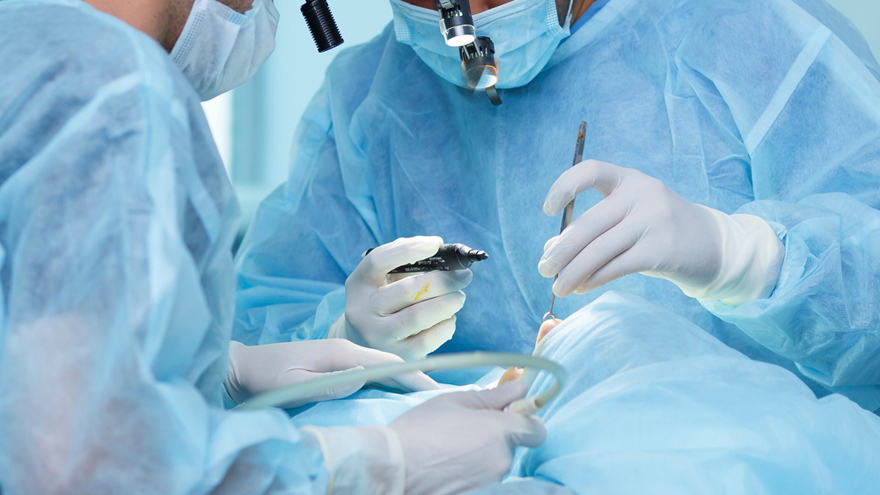
Revision rhinoplasty involves correcting prior surgical outcomes—whether it’s resolving nasal obstruction, fixing asymmetry, or improving contour. Because the procedure often deals with scar tissue, weakened nasal structures, or compromised grafts, it demands advanced techniques and in-depth anatomical understanding.
Dr. Kim frequently utilizes rib cartilage to reinforce nasal framework and minimize long-term collapse, particularly in patients whose septal or ear cartilage was depleted during previous surgeries. This technique, though more complex, provides enhanced structural integrity and yields more durable, natural-looking results. It's a preferred option among international patients who may have already undergone multiple procedures elsewhere.
Kowon Plastic Surgery offers customized treatment plans based on 3D imaging, detailed nasal analysis, and a full medical history review. This ensures that every revision surgery is both restorative and transformative.
What to Expect: A Patient-Centered Recovery Timeline
Recovering from revision rhinoplasty isn’t a one-size-fits-all experience. However, understanding the typical stages can help set expectations and reduce anxiety. Most patients experience a phased recovery broken into immediate, mid-term, and long-term periods:
First 1–2 Weeks:
Swelling and bruising are most prominent during this time, especially around the eyes.
Expect nasal congestion due to internal swelling and splints.
Head elevation is critical to minimize inflammation.
Avoid blowing your nose, and limit facial movement when possible.
Weeks 3–6:
External swelling begins to decrease, although internal tissues are still healing.
Light daily activities can typically resume.
Patients should continue avoiding any impact to the nose and refrain from wearing glasses directly on the nasal bridge.
6 Months–1 Year:
Most visible swelling resolves by the six-month mark, but subtle refinements continue as soft tissue settles.
Internal healing progresses quietly, and minor contour changes may still occur.
Patients should continue protecting the nose from trauma and sun exposure.
At Kowon, patients receive tailored recovery plans that include skincare advice, activity timelines, and guidance on recognizing subtle signs of healing or concern.
Top Surgeon-Approved Strategies for a Smoother Recovery
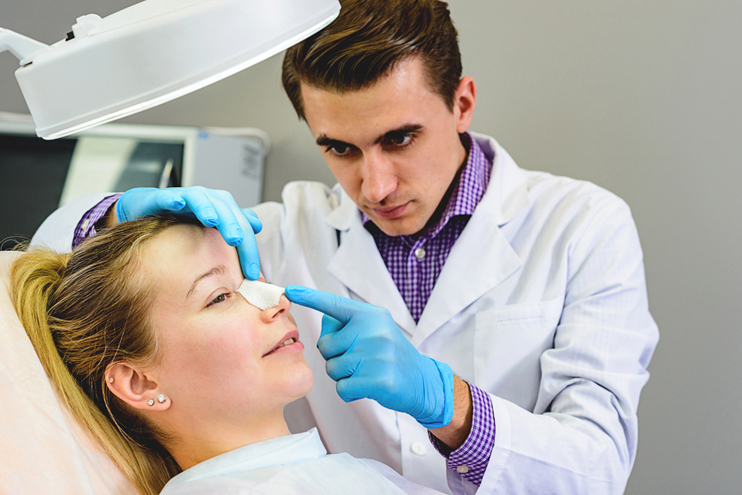
1. Swelling Management Swelling is inevitable, but its impact can be controlled. Dr. Kim emphasizes a proactive approach:
Sleep elevated at a 30–45 degree angle using wedge pillows or an adjustable bed.
Apply cold compresses to the cheeks and under-eye area (not directly on the nose) within the first 48 hours.
Avoid sodium-rich foods, which can exacerbate fluid retention.
Patients are also advised to avoid spicy or hot foods, which increase blood flow to the face and may prolong swelling.
2. Pain Control Discomfort after revision rhinoplasty is usually manageable:
Dr. Kim prescribes non-opioid pain relievers to reduce inflammation without impairing healing.
Cold therapy continues to be useful for both pain and swelling.
Patients should avoid over-the-counter NSAIDs like ibuprofen unless specifically cleared, as they may increase bruising risk.
Gentle distraction techniques, such as guided meditation or audiobooks, can also ease mental discomfort during early recovery.
3. Sleep Smarter Rest is a cornerstone of healing:
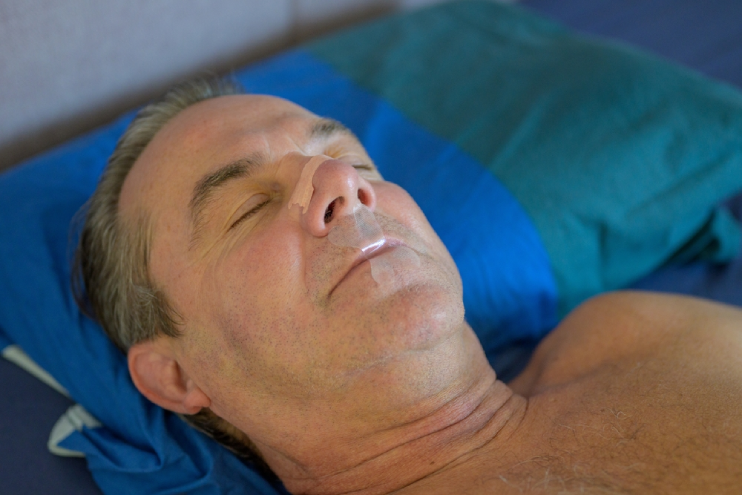
Use a neck pillow to prevent accidental rolling during sleep.
Avoid napping during the day excessively to maintain a consistent nighttime schedule.
Short walks during the day can help prevent stiffness and support sleep quality at night.
4. Eat for Healing Nutrition plays a pivotal role in how quickly tissues regenerate:
Protein supports wound healing and muscle repair. Include lean meat, beans, tofu, and Greek yogurt.
Vitamin A (found in leafy greens and carrots) supports immune health and epithelial repair.
B-complex vitamins, especially B6 and B12, help with energy production and stress management.
Patients are encouraged to avoid processed foods, sugar, and caffeine in excess.
Preventing Complications: What Patients Should Know
While revision rhinoplasty is generally safe, risks such as infection, hematoma, or poor wound healing exist. Preventive care makes a significant difference:
Infection Prevention: Keep incisions clean using sterile saline and gentle antiseptic wipes as instructed. Avoid touching your face unnecessarily.
Smoking cessation is mandatory. Even occasional smoking can compromise oxygen delivery to tissues.
Avoid alcohol for at least two weeks post-op, as it thins the blood and may interfere with medications.
Follow-up visits allow Dr. Kim to track your healing and intervene early if needed. Digital follow-ups are also available for international patients.
Kowon Plastic Surgery provides each patient with a detailed “red flag” checklist to ensure early detection of potential complications.
Coping Emotionally During Recovery
Revision rhinoplasty is often an emotionally charged journey. Many patients choose this surgery after unsatisfactory past experiences, which can heighten anxiety:
It’s common to experience mood fluctuations during the healing process, especially when swelling masks early results.
Dr. Kim encourages journaling progress through weekly photos—this visual record helps track subtle improvements that may otherwise go unnoticed.
Kowon also partners with wellness counselors to support patients experiencing post-surgical stress or appearance-related anxiety.
Patients are reminded that recovery is not linear—some days may bring swelling spikes or discomfort, but these are typically temporary.
Special Care for International Patients
Kowon Plastic Surgery welcomes patients from around the world. Understanding the challenges of medical travel, the clinic offers:
Pre-travel consultations via video to determine candidacy and build a custom surgical plan.
Travel concierge services, including airport transfers, hotel discounts, and itinerary support.
Multilingual care teams, fluent in English, Mandarin, Japanese, Russian, and Arabic.
Post-op remote monitoring for patients returning home, with optional local partner clinics for in-person care if needed.
Patient Michelle from Toronto shared, “I was worried about flying alone for surgery, but the Kowon staff handled every detail—from the consultation to arranging a private nurse post-op. It was the most supportive care I’ve ever received.”
Final Thoughts: Your Recovery, Elevated
Faster healing after revision rhinoplasty doesn’t mean rushing—it means being intentional with your care, informed about your timeline, and realistic with your expectations. From sleeping with your head elevated to carefully choosing healing-friendly foods, every decision post-surgery can influence your final results.
With Dr. Kim’s deep expertise and the comprehensive aftercare provided by Kowon Plastic Surgery, patients can navigate their recovery with clarity, comfort, and confidence.
As Dr. Kim often says, “Healing is part science, part art. Trust your body, but more importantly, trust your plan.”
Medical Information
Read this article as general guidance.
- This article is provided for general education. It does not replace an in-person examination by a qualified surgeon.
- Results vary between patients. Rhinoplasty can involve bleeding, infection, scarring, asymmetry, breathing changes, graft or implant problems and the possibility of revision surgery.
- Computer simulations and before-and-after photographs cannot guarantee an individual outcome.
- Any prices or timelines mentioned are general. Request an individualised, itemised written quotation and a procedure-specific recovery schedule before paying a deposit or booking travel.
Published by
Kowon Plastic Surgery
A rhinoplasty-focused clinic in Gangnam, Seoul, led by Dr. Kim Hyeongtaek and registered with Medical Korea to treat international patients.
Consultation
Questions about this topic? Ask Dr. Kim directly.
2F, 110 Dosan-daero, Gangnam-gu, Seoul 06038. Send clear photographs, your main concerns and any previous surgery history, and Dr. Kim Hyeongtaek will review what can be assessed before you travel.
International Patient Desk — Gangnam
Kowon Plastic Surgery
Director Dr. Kim Hyeongtaek
Single-surgeon rhinoplasty and autologous cartilage center in Seoul. Delivering meticulous, individual surgical architecture for primary and complex revision procedures.
Practice & Inquiries
Gangnam Clinic
2F, 110 Dosan-daero, Gangnam District, Seoul 06038, South Korea
Consultation Hours (KST)
Mon – Fri: 10:00 – 19:00
Sat: 10:00 – 16:00 · Sun & Holidays Closed
Direct Communication Channels
Telephone: +822-6242-7080WhatsApp: +1-206-809-1367LINE Official: @967xxmreWeChat Consultation Service© 2025 Kowon Plastic Surgery. All rights reserved.
Registered Medical Institution for Foreign Patient Facilitation (Medical Korea). Surgical consultation and procedure terms subject to Korean Ministry of Health and Welfare guidelines.