Patient Education
Dorsal Hump Reduction for Men: Achieve Facial Balance and Confidence
Explore dorsal hump reduction for men to improve facial aesthetics and boost self-confidence. Learn about the procedure, benefits, recovery, and how to choose the right surgeon.
Article
Published by Kowon Plastic Surgery, Gangnam, Seoul
What Is Dorsal Hump Reduction?
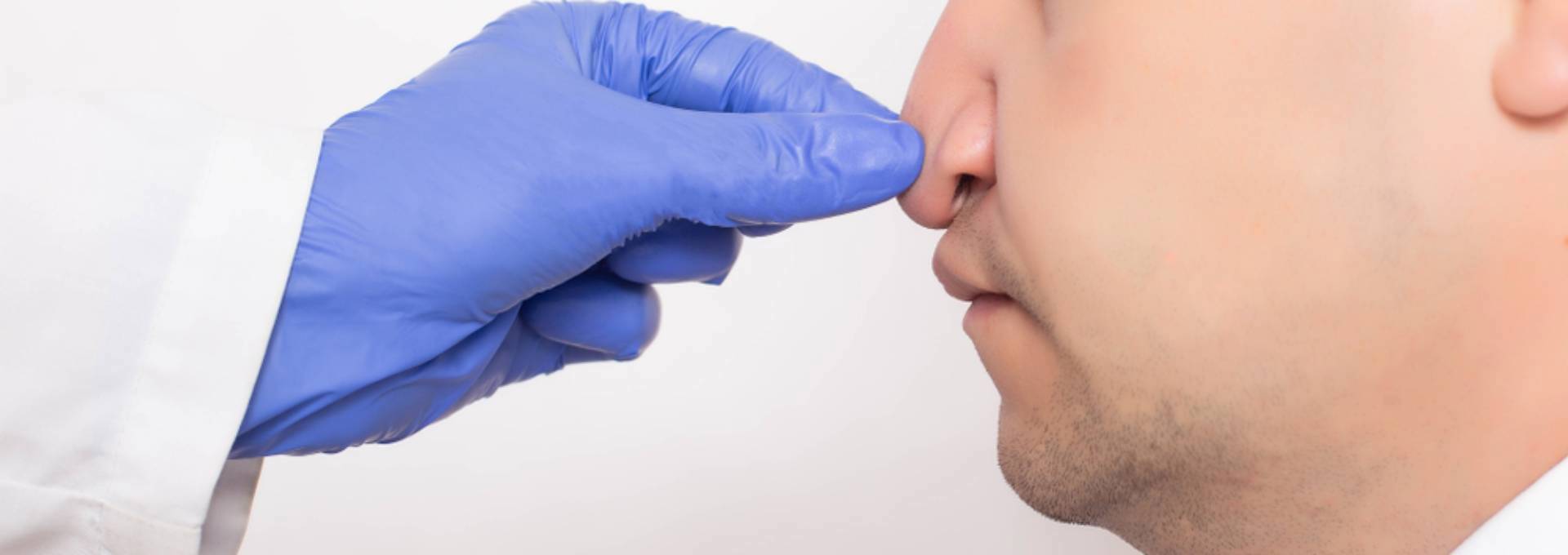
Dorsal hump reduction is a surgical procedure designed to reduce or eliminate the prominence of a bump or hump on the bridge of the nose, commonly referred to as the dorsal hump. This feature, while natural for many, can detract from overall facial symmetry, affecting the balance of a person’s appearance. The causes of a dorsal hump vary, including genetic factors, trauma, or developmental issues during growth.
For men, the shape and definition of the nose can greatly influence their overall facial aesthetics. A balanced, well-proportioned nose not only enhances masculine features but also contributes to a harmonious profile. Dorsal hump reduction specifically targets the hump, reshaping the nose to create a more refined and proportionate look.
The procedure is typically performed with sedation or other supportive measures, depending on the patient's preference and the complexity of the surgery. Using small incisions, the surgeon removes excess bone and cartilage, sculpting the nasal bridge to create a smooth, natural contour that complements the patient's face.
Tailored Approach for Male Aesthetic Needs
-909f57b6-0d34-4f5c-a829-87cff6ac53fc.jpg)
Understanding Male Rhinoplasty
Rhinoplasty for men differs from the procedure performed for women, primarily due to anatomical differences. Men typically seek a more defined, masculine nose, which requires a different approach. The goal is not to soften or feminize the features but to maintain a strong, angular profile while smoothing the bump on the nasal bridge.
According to Dr. Kim Hyung Taek, a renowned rhinoplasty specialist at Kowon Plastic Surgery, "In male rhinoplasty, it’s essential to preserve the natural strength of the nose while subtly refining the contours. We want to reduce the hump without losing the masculine definition of the nose."
Men’s noses generally have stronger bone structure and wider profiles compared to women’s. A skilled surgeon will ensure that the final result maintains the structural integrity of the nose, providing a balanced and natural appearance.
The Rising Trend of Rhinoplasty Among Men
-f71ae616-f772-473c-a3a6-e0dfdf492998.jpg)
Shifting Attitudes Toward Cosmetic Surgery
While rhinoplasty has traditionally been more popular among women, an increasing number of men are opting for nose surgeries, particularly dorsal hump reduction. Statistics indicate a growing global trend in male rhinoplasty, as men embrace the opportunity to improve their facial aesthetics.
This shift in perception is rooted in a greater acceptance of cosmetic surgery, with many men recognizing that these procedures can enhance their appearance and self-confidence. Whether motivated by personal or professional reasons, men are seeking ways to feel more comfortable and secure in their appearance. A dorsal hump, often a source of self-consciousness, can be easily addressed through surgery, leading to improved facial balance and increased self-esteem.
The Psychological Impact of Dorsal Hump Reduction
The decision to undergo dorsal hump reduction is often deeply personal and is driven by more than just aesthetics. For many men, correcting a dorsal hump is about improving their self-image and feeling more confident in social and professional settings.
Dr. Hyung Taek explains, "Many of my male patients express that they feel more confident after surgery, not only in how they look but in how they engage with others. A more balanced nose can make a profound impact on their overall self-esteem."
A study conducted by the American Society of Plastic Surgeons (ASPS) found that patients who underwent rhinoplasty often reported increased satisfaction with their appearance and a higher quality of life post-surgery, confirming the psychological benefits of such aesthetic changes.
How the Dorsal Hump Reduction Procedure Works
Surgical Techniques: Open vs. Closed Rhinoplasty
Dorsal hump reduction is typically performed using one of two rhinoplasty techniques: open or closed. Both techniques aim to reshape the nasal bridge, but the choice of technique depends on the specific needs of the patient and the surgeon’s approach.
Closed Rhinoplasty: This technique involves making incisions inside the nostrils, meaning no external scars are visible. It is often used for patients who require more subtle correction of the hump. The surgeon carefully reshapes the bone and cartilage through these internal incisions.
Open Rhinoplasty: For more complex cases or when a greater degree of reshaping is needed, open rhinoplasty may be employed. This method involves an incision across the columella (the skin between the nostrils), providing the surgeon with better access to the nasal structures for more precise adjustments. This technique is ideal for more pronounced humps or intricate reshaping.
The procedure typically lasts between one and two hours, with the surgeon removing excess bone and cartilage to smooth the contour of the nose. In some cases, cartilage grafts may be used to ensure the structural integrity of the nose, preventing post-surgical collapse.
Recovery and Aftercare
-5e946454-1b7b-4649-acf3-f61f369fef40.jpg)
What to Expect During Recovery
Recovery from dorsal hump reduction varies depending on the individual but generally involves some common stages:
Initial Recovery (1-2 Weeks): Swelling and bruising around the nose and eyes are common in the first few days after surgery. A splint will be placed on the nose to protect it during the early healing phase. Most men can resume light activities within a week, although they should avoid strenuous physical exertion for at least 2-4 weeks.
Swelling and Bruising (2-4 Weeks): While the initial swelling will subside within a few weeks, residual swelling may linger for up to a month. The bruising typically fades during this period as well.
Final Results (6 Months to 1 Year): Full results are generally visible within 6-12 months as the nose continues to heal and settle into its final shape.
Risks and Considerations
Like any surgery, dorsal hump reduction carries risks. Though complications are rare, patients should be aware of potential issues:
Infection: Though uncommon, infection is a risk associated with any surgical procedure. Surgeons take precautions to minimize this risk, such as prescribing antibiotics and advising proper aftercare.
Breathing Issues: Some patients may experience temporary breathing difficulties as swelling subsides. This usually resolves as healing progresses.
Scarring: Scarring is minimal with closed rhinoplasty, but open rhinoplasty may leave a small, well-hidden scar at the base of the nose.
Choosing an experienced, qualified surgeon is the best way to minimize these risks and ensure a successful, aesthetically pleasing outcome.
Non-Surgical Alternatives to Dorsal Hump Reduction
For those seeking less invasive options, non-surgical methods such as dermal fillers and thread lifting can offer temporary solutions for mild cases of dorsal humps. These treatments are less invasive and require no downtime, but their effects are short-lived and may not provide the long-term satisfaction achieved through surgery.
Dermal Fillers: Injected into the nose, dermal fillers can smooth out a small bump temporarily but require maintenance every 6-12 months.
Thread Lifting: This procedure uses temporary sutures to lift and shape the nasal structure, offering a temporary improvement in the profile.
However, for more prominent humps, surgery remains the most effective solution, providing lasting, natural results.
Why Kowon Plastic Surgery?
Kowon Plastic Surgery, led by Dr. Kim Hyung Taek, offers personalized care and advanced techniques to help men achieve the best possible results. With over 19 years of experience, Dr. Kim specializes in male rhinoplasty and understands the nuances of male facial anatomy. His expertise ensures that each patient receives results that align with their unique features.
At Kowon, patients can expect:
Personalized Consultations: Dr. Kim listens to your goals and tailors the surgery to your needs.
State-of-the-Art Technology: Advanced imaging tools help visualize your final results before surgery.
Global Patient Care: Kowon Plastic Surgery offers virtual consultations for international patients, as well as assistance with travel, accommodations, and language support.
Medical Information
Read this article as general guidance.
- This article is provided for general education. It does not replace an in-person examination by a qualified surgeon.
- Results vary between patients. Rhinoplasty can involve bleeding, infection, scarring, asymmetry, breathing changes, graft or implant problems and the possibility of revision surgery.
- Computer simulations and before-and-after photographs cannot guarantee an individual outcome.
- Any prices or timelines mentioned are general. Request an individualised, itemised written quotation and a procedure-specific recovery schedule before paying a deposit or booking travel.
Published by
Kowon Plastic Surgery
A rhinoplasty-focused clinic in Gangnam, Seoul, led by Dr. Kim Hyeongtaek and registered with Medical Korea to treat international patients.
Consultation
Questions about this topic? Ask Dr. Kim directly.
2F, 110 Dosan-daero, Gangnam-gu, Seoul 06038. Send clear photographs, your main concerns and any previous surgery history, and Dr. Kim Hyeongtaek will review what can be assessed before you travel.
International Patient Desk — Gangnam
Kowon Plastic Surgery
Director Dr. Kim Hyeongtaek
Single-surgeon rhinoplasty and autologous cartilage center in Seoul. Delivering meticulous, individual surgical architecture for primary and complex revision procedures.
Practice & Inquiries
Gangnam Clinic
2F, 110 Dosan-daero, Gangnam District, Seoul 06038, South Korea
Consultation Hours (KST)
Mon – Fri: 10:00 – 19:00
Sat: 10:00 – 16:00 · Sun & Holidays Closed
Direct Communication Channels
Telephone: +822-6242-7080WhatsApp: +1-206-809-1367LINE Official: @967xxmreWeChat Consultation Service© 2025 Kowon Plastic Surgery. All rights reserved.
Registered Medical Institution for Foreign Patient Facilitation (Medical Korea). Surgical consultation and procedure terms subject to Korean Ministry of Health and Welfare guidelines.