
Patient Education
Cartilage Grafting vs. Implants: Rhinoplasty Options Explained
Explore the differences between cartilage grafting and implants for rhinoplasty. Learn which method suits your aesthetic goals and needs.
Article
Published by Kowon Plastic Surgery, Gangnam, Seoul
When considering rhinoplasty, choosing between cartilage grafting and implants is a critical decision. Both techniques have distinct advantages and potential drawbacks, depending on your specific needs and goals. In this article, we'll explore both options to help you make an informed choice, guided by the expertise of Dr. Kim Hyung Taek, a leading rhinoplasty surgeon at Kowon Plastic Surgery.
What is Cartilage Grafting in Rhinoplasty?
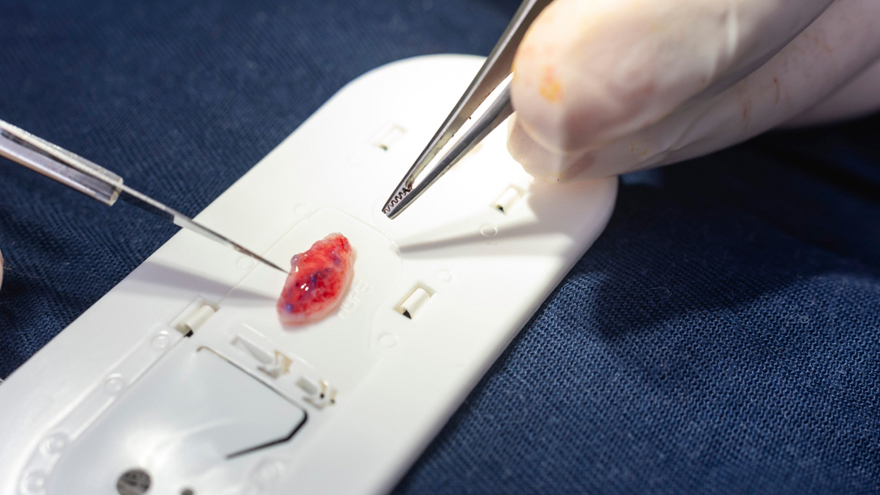
Cartilage grafting is a technique in which a surgeon uses the patient’s own cartilage—often taken from the septum or rib—to reshape the nose. This approach offers a highly natural and biologically compatible solution, as the tissue is taken from the patient’s own body, reducing the risk of rejection.
Cartilage grafting is ideal for patients who need significant structural support or are undergoing revision rhinoplasty to correct issues from previous surgeries. It can be used to enhance the nasal tip, bridge, or overall projection, and is also effective in correcting nasal deformities caused by trauma.
How is Cartilage Grafting Performed?
The process involves harvesting cartilage from the patient’s body, either from the septum (the cartilage inside the nose) or rib (for larger grafts). This cartilage is then meticulously shaped and placed into the nose to provide structural support or refine its appearance. The use of the patient’s own tissue allows for more precise adjustments and ensures a result that is naturally integrated with the surrounding tissue.
What Are Implants in Rhinoplasty?
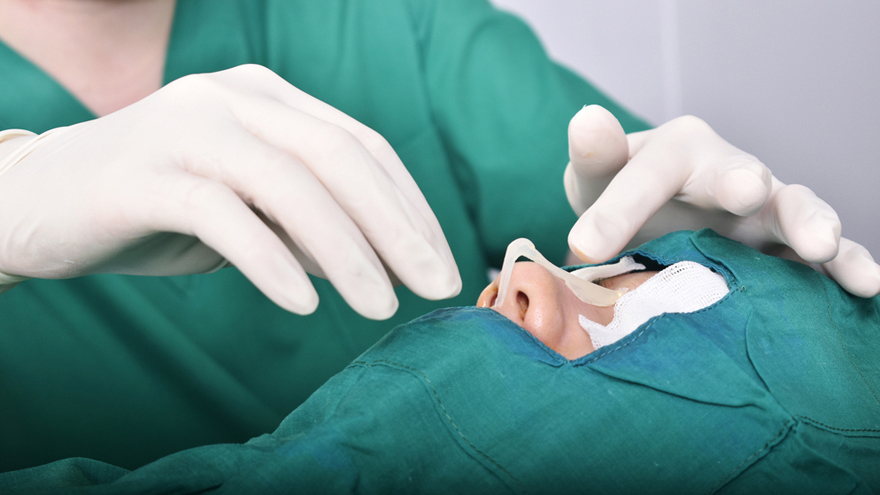
Nasal implants are synthetic materials used to enhance or reshape the nose. Popular options include silicone, Gore-Tex, and Medpor. These implants offer a quick and effective solution for patients seeking to adjust the shape or size of their nose without the need for tissue harvesting.
Types of Implants Used in Rhinoplasty:
Silicone Implants: Flexible and easy to mold, but they may become visible over time, especially in patients with thinner skin.
Gore-Tex Implants: Made from a porous material that allows tissue to grow into it, creating a more natural bond between the implant and surrounding tissue.
Medpor Implants: Another porous material that integrates with the surrounding tissue, offering stability and reducing the risk of shifting or migration.
How Are Implants Placed?
Implants are typically inserted through small incisions inside the nostrils or along the natural folds of the nose. The procedure is less invasive than cartilage grafting and requires less recovery time. Implants provide a quick way to achieve the desired nasal shape or projection, making them suitable for less complex cases.
Pros of Cartilage Grafting in Rhinoplasty
Natural Look and Feel
Because cartilage is taken from the patient's own body, it integrates seamlessly with surrounding tissue. This results in a natural look and feel, with less chance of the body rejecting the tissue. Over time, the cartilage ages just like natural tissue, ensuring long-term harmony with the rest of the nose.
Lower Risk of Complications
With cartilage grafting, the risk of rejection or infection is much lower compared to implants. The body doesn’t recognize the cartilage as foreign material, minimizing potential complications like infection, extrusion, or asymmetry that can occur with implants.
Long-Term Stability
Cartilage grafts are durable and stable. They do not degrade or shift in the same way that synthetic materials may. This ensures a more permanent solution, especially for patients seeking long-lasting results.
Ideal for Complex Cases
Cartilage grafting is especially beneficial for patients undergoing revision rhinoplasty or those with complex nasal issues. The technique allows for precise and customizable changes to the nasal structure, making it ideal for deviated septums, collapsed nasal tips, or other complex deformities.
Pros of Implants in Rhinoplasty
Predictable and Reliable Results
Implants offer consistent and predictable results. Surgeons can select the perfect size, shape, and material to achieve the desired aesthetic outcome. For patients seeking a subtle enhancement of nasal projection or shape, implants can provide a straightforward, reliable solution.
Less Invasive Procedure
Since implants don’t require tissue harvesting, the procedure is less invasive and typically involves a shorter recovery time. This makes implants a good option for those looking for a quicker solution with minimal downtime.
Cost-Effective
Implants are generally more affordable than cartilage grafting because they require less surgical time and don’t involve harvesting tissue. For patients with budget constraints, implants can be a cost-effective way to achieve their desired results.
Faster Recovery
Recovery after implant placement is typically faster than cartilage grafting. Most patients can return to light activities within a week and experience minimal swelling and bruising. Full recovery usually takes about 2-3 weeks.
Risks and Complications of Cartilage Grafting
Donor Site Complications
One downside of cartilage grafting is the potential for complications at the donor site (rib or septum). While rib cartilage provides more material, it can lead to pain, bruising, or even infection at the harvest site. Septal cartilage, though less invasive, can cause bleeding or complications in the nasal passages.
Cartilage Warping
Over time, the cartilage may warp or shift, especially if it’s not properly positioned. While this risk is low, skilled surgeons can reduce the chances of warping with careful graft placement.
Surgical Complexity
Cartilage grafting requires a more complex surgical approach since it involves tissue harvesting and sculpting. The procedure takes longer, and the recovery period is generally more involved compared to implant-based surgeries.
Risks and Complications of Implants
Rejection and Infection
The use of synthetic materials increases the risk of rejection and infection. Since the body recognizes implants as foreign, there’s a chance of inflammation or infection, which may lead to implant extrusion or the need for removal.
Aesthetic Issues
Implants may not always integrate smoothly with surrounding tissues, especially in patients with thin skin. This can result in visible irregularities, such as shifting or palpability of the implant.
Long-Term Durability
Implants may degrade over time, leading to capsular contracture or the need for replacement. While designed to last, they might not offer the same long-term stability as cartilage grafts.
How Recovery Differs Between Cartilage Grafting and Implants
Recovery from Cartilage Grafting
Recovery after cartilage grafting tends to be more extensive due to the tissue harvesting and more invasive procedure. Expect to experience some pain and swelling at both the donor site and the nasal area. Full recovery can take several months, with final results becoming visible once the tissues settle.
Recovery from Implants
Implant-based rhinoplasty typically involves quicker recovery. Since no tissue is harvested, patients can generally resume light activities within a week. Swelling and bruising tend to resolve in about 2-3 weeks, with full recovery occurring within a month.
Which Option is Best for You?

When to Choose Cartilage Grafting
Cartilage grafting is often the best option for those looking for long-term, natural results. It’s particularly ideal for complex cases like revision rhinoplasty, a collapsed nasal tip, or significant structural issues. Patients who prioritize biological integration and minimal rejection should consider this method.
When to Choose Implants
Implants are ideal for patients seeking a simple enhancement in nasal shape or projection. If you prefer a quicker, less invasive procedure and are focused on a specific aesthetic result, implants may be the better choice. They’re also a more cost-effective option for those on a budget.
Combining Both Methods
In some cases, surgeons recommend combining cartilage grafting and implants. This approach allows for structural support through cartilage grafting, with cosmetic enhancement provided by implants.
Why Kowon Plastic Surgery is the Right Choice
With over 19 years of experience in advanced rhinoplasty techniques, Kowon Plastic Surgery stands out for its expertise in both cartilage grafting and implants. Under the guidance of Dr. Kim Hyung Taek, the clinic offers personalized care and exceptional results tailored to each patient’s needs. Dr. Kim’s experience, combined with his innovative use of autologous rib cartilage, ensures that each patient receives results that are both aesthetic and functional.
Medical Information
Read this article as general guidance.
- This article is provided for general education. It does not replace an in-person examination by a qualified surgeon.
- Results vary between patients. Rhinoplasty can involve bleeding, infection, scarring, asymmetry, breathing changes, graft or implant problems and the possibility of revision surgery.
- Computer simulations and before-and-after photographs cannot guarantee an individual outcome.
- Any prices or timelines mentioned are general. Request an individualised, itemised written quotation and a procedure-specific recovery schedule before paying a deposit or booking travel.
Published by
Kowon Plastic Surgery
A rhinoplasty-focused clinic in Gangnam, Seoul, led by Dr. Kim Hyeongtaek and registered with Medical Korea to treat international patients.
Consultation
Questions about this topic? Ask Dr. Kim directly.
2F, 110 Dosan-daero, Gangnam-gu, Seoul 06038. Send clear photographs, your main concerns and any previous surgery history, and Dr. Kim Hyeongtaek will review what can be assessed before you travel.
International Patient Desk — Gangnam
Kowon Plastic Surgery
Director Dr. Kim Hyeongtaek
Single-surgeon rhinoplasty and autologous cartilage center in Seoul. Delivering meticulous, individual surgical architecture for primary and complex revision procedures.
Practice & Inquiries
Gangnam Clinic
2F, 110 Dosan-daero, Gangnam District, Seoul 06038, South Korea
Consultation Hours (KST)
Mon – Fri: 10:00 – 19:00
Sat: 10:00 – 16:00 · Sun & Holidays Closed
Direct Communication Channels
Telephone: +822-6242-7080WhatsApp: +1-206-809-1367LINE Official: @967xxmreWeChat Consultation Service© 2025 Kowon Plastic Surgery. All rights reserved.
Registered Medical Institution for Foreign Patient Facilitation (Medical Korea). Surgical consultation and procedure terms subject to Korean Ministry of Health and Welfare guidelines.