
Patient Education
Can Rhinoplasty Fix Both Appearance and Breathing?
Learn how rhinoplasty can improve both your nose's appearance and your breathing. Explore techniques, patient stories, and why Kowon Plastic Surgery is a top choice.
Article
Published by Kowon Plastic Surgery, Gangnam, Seoul
Introduction: The Dual Benefits of Rhinoplasty

For many, rhinoplasty is synonymous with improving the appearance of the nose. However, this surgery offers far more than just aesthetic enhancements. It has the potential to transform both a person's appearance and their quality of life by improving nasal breathing. Whether you're troubled by a crooked nose or struggling with chronic congestion, rhinoplasty can address both issues in one procedure, offering patients a new look and better airflow.
Consider Sarah, a 32-year-old who struggled with both the appearance of her nose and persistent breathing problems due to a deviated septum. After undergoing a combined rhinoplasty, Sarah saw dramatic improvements in both her appearance and breathing. She could finally breathe through her nose at night and no longer woke up with headaches or dry mouth, while also feeling more confident about her profile.
This article explores how rhinoplasty can fix both aesthetic concerns and functional breathing issues, diving into the science behind it, the surgical process, and what patients can expect during recovery. We’ll also look at why renowned clinics like Kowon Plastic Surgery are at the forefront of this dual-function approach.
What is Rhinoplasty?
Rhinoplasty is a precise surgical procedure designed to reshape the nose by altering the bone, cartilage, and soft tissues underneath. This versatile surgery is split into two primary types:
Cosmetic Rhinoplasty: Focuses on changing the appearance of the nose, whether by reducing its size, refining the tip, straightening the bridge, or correcting asymmetry.
Functional Rhinoplasty: Addresses structural issues like a deviated septum, nasal valve collapse, or enlarged turbinates that impair airflow.
A successful rhinoplasty requires a deep understanding of both the nose’s anatomy and how changes can affect both appearance and function. Surgeons must carefully preserve breathing function while sculpting the nose for aesthetic balance, which makes it a complex procedure.
Functional Rhinoplasty: Enhancing Breathing Function
Breathing through the nose can be compromised by several structural problems, many of which are correctable through functional rhinoplasty. These include:
Deviated Septum: A displacement of the cartilage and bone dividing the nasal passages, leading to blocked airflow.
Nasal Valve Collapse: A weakness in the cartilage at the narrowest part of the nasal airway, causing the walls to collapse inward during inhalation.
Enlarged Turbinates: Swollen turbinates obstruct the airflow in the nasal passages, leading to chronic congestion.
For patients like John, who had struggled for years with constant congestion and difficulty sleeping due to a deviated septum, functional rhinoplasty was life-changing. After undergoing septoplasty and nasal valve repair, he reported immediate improvements in his ability to breathe easily through his nose.
Functional rhinoplasty addresses these issues through techniques like:
Septoplasty: Straightening and repositioning the deviated septum to clear the nasal passages.
Nasal Valve Repair: Strengthening or reconstructing the cartilage to prevent collapse and ensure open airflow.
Turbinoplasty: Reducing the size of the turbinates to improve breathing.
These surgeries can relieve symptoms like nasal congestion, snoring, mouth breathing, and even obstructive sleep apnea, offering significant improvements to both health and daily life.
Cosmetic Rhinoplasty: Sculpting a Balanced Nose
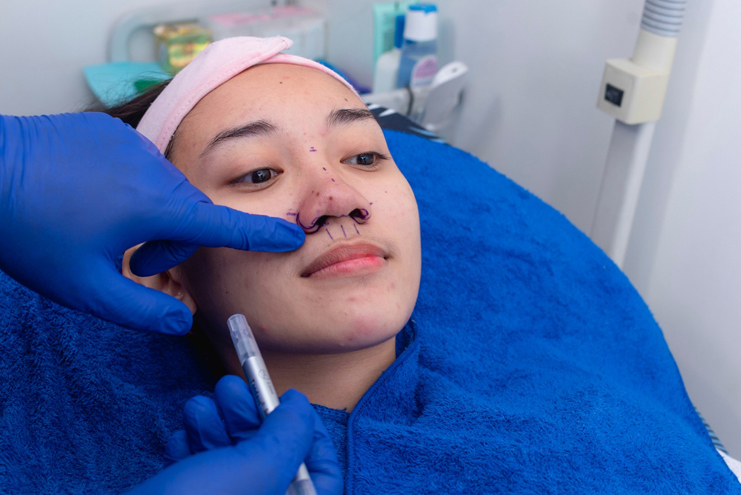
Cosmetic rhinoplasty is often the first thought when people think of nose surgery. This type of rhinoplasty is aimed at enhancing the nose’s appearance and creating a balanced facial profile. Even small changes to the nose can have a profound impact on a person’s overall look.
Patients often seek cosmetic rhinoplasty for issues such as:
Bulbous Tip: A wide, rounded nasal tip that lacks definition.
Dorsal Hump: A noticeable bump on the bridge of the nose.
Hooked or Drooping Nose: A nose that curves downward or appears overly angular.
Wide Nostrils: Nostrils that appear overly flared and affect facial harmony.
Asymmetry: Unevenness between the two sides of the nose.
Advanced techniques are used to reshape the nose in a way that fits the patient's face and enhances overall proportions. These techniques may include:
Cartilage Grafting: Using the patient's own cartilage (often from the ear, septum, or rib) to build up nasal structures.
Tip Refinement: Reshaping the nasal tip for more definition.
Hump Reduction: Removing or reshaping bone and cartilage to smooth out the nasal bridge.
Personalized consultation is key in cosmetic rhinoplasty. Surgeons carefully assess facial anatomy, listen to the patient’s desires, and sometimes even use 3D imaging to predict potential outcomes. This ensures that results are both aesthetically pleasing and functional.
Combining Functional and Cosmetic Rhinoplasty
Many patients benefit from combining both functional and cosmetic rhinoplasty in one procedure. This dual approach addresses both the structural and aesthetic concerns of the nose, giving patients a harmonious result without needing separate surgeries.
Performing both procedures together requires careful planning. For example, surgeons need to ensure that reshaping the nose externally does not interfere with the internal airflow, such as maintaining adequate support for the nasal valve while refining the shape of the bridge.
The combined surgery offers several advantages, including:
A single procedure with one recovery period
Comprehensive improvement in both appearance and function
A more balanced, natural outcome
However, it requires a highly skilled surgeon who is proficient in both aesthetic and functional nasal surgery.
The Surgical Process: What to Expect
Prior to surgery, patients undergo a thorough consultation where surgeons assess the nose’s anatomy, discuss goals, and provide detailed explanations about the procedure. In some cases, advanced imaging technology may be used to show possible outcomes.
During the procedure, the surgeon either makes internal incisions (closed rhinoplasty) or a small external incision (open rhinoplasty) to access the bone and cartilage. Functional corrections, such as septoplasty and nasal valve repair, are typically performed first, followed by cosmetic refinements.
The surgery usually lasts several hours, depending on the complexity of the issues being addressed.
Risks and Safety Protocols
As with any surgery, rhinoplasty carries some inherent risks, including infection, bleeding, and scarring. For functional rhinoplasty, there’s also the risk of improper airflow restoration if the nasal structure is not preserved or repaired correctly.
Leading clinics like Kowon Plastic Surgery minimize these risks by using highly experienced surgeons, ensuring sterile surgical conditions, and conducting detailed pre-operative assessments. Additionally, using autologous rib cartilage reduces the chance of rejection, enhancing the safety and long-term success of the surgery.
Recovery and Aftercare
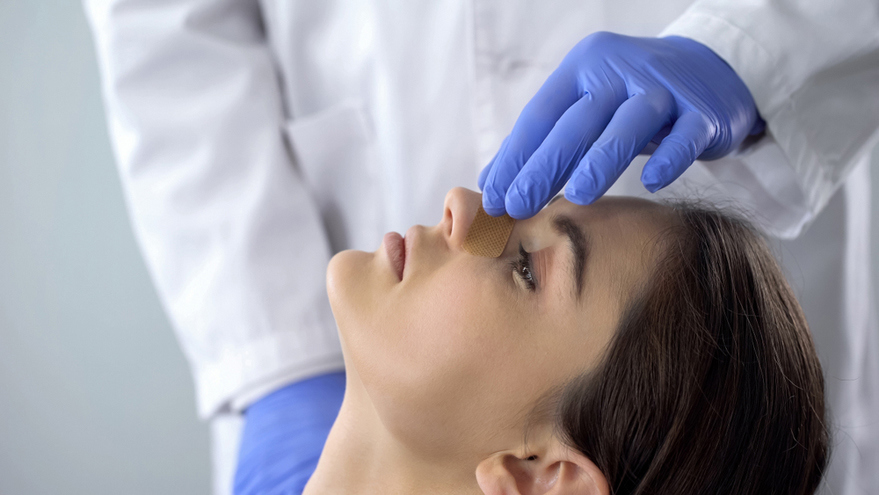
Recovery from rhinoplasty involves a few weeks of swelling, bruising, and mild discomfort. Most patients return to daily activities within 1-2 weeks, but it’s important to avoid strenuous exercise for at least 4-6 weeks.
Patients will receive detailed aftercare instructions, including how to care for nasal splints or packing, manage swelling with cold compresses, and maintain head elevation during sleep. Follow-up appointments are necessary to monitor healing and ensure any concerns are addressed.
Final results, especially improvements in breathing, can take several months to fully settle as internal swelling diminishes.
Results: Aesthetic and Breathing Improvements
For many patients, combined rhinoplasty offers transformative results. Not only do they experience better nasal airflow—leading to relief from congestion, snoring, and sleep apnea—but they also enjoy an enhanced facial appearance that improves self-confidence.
For example, after surgery, many patients report feeling more comfortable in social settings and more confident in their physical appearance. Studies show that patients who undergo combined functional and cosmetic rhinoplasty report higher satisfaction levels than those who opt for only one aspect of the surgery.
Advances in Rhinoplasty Techniques
Recent innovations in rhinoplasty have improved both the precision and safety of combined surgeries. 3D imaging and computer-assisted planning now allow surgeons to create individualized treatment plans, helping patients visualize their potential results before undergoing surgery.
The use of autologous rib cartilage also enhances the success of these surgeries by reducing the risk of rejection and ensuring natural, lasting results. Additionally, minimally invasive techniques continue to evolve, reducing recovery time and improving long-term stability.
Why Choose Kowon Plastic Surgery?
Kowon Plastic Surgery in Seoul is a global leader in combined rhinoplasty procedures, led by Dr. Kim Hyung Taek, a renowned surgeon with over 19 years of experience. Known for pioneering autologous rib cartilage rhinoplasty, Kowon offers patients personalized care with cutting-edge techniques. For international patients, the clinic provides comprehensive support, including virtual consultations, accommodation assistance, and interpretation services, ensuring a smooth experience from start to finish.
Medical Information
Read this article as general guidance.
- This article is provided for general education. It does not replace an in-person examination by a qualified surgeon.
- Results vary between patients. Rhinoplasty can involve bleeding, infection, scarring, asymmetry, breathing changes, graft or implant problems and the possibility of revision surgery.
- Computer simulations and before-and-after photographs cannot guarantee an individual outcome.
- Any prices or timelines mentioned are general. Request an individualised, itemised written quotation and a procedure-specific recovery schedule before paying a deposit or booking travel.
Published by
Kowon Plastic Surgery
A rhinoplasty-focused clinic in Gangnam, Seoul, led by Dr. Kim Hyeongtaek and registered with Medical Korea to treat international patients.
Consultation
Questions about this topic? Ask Dr. Kim directly.
2F, 110 Dosan-daero, Gangnam-gu, Seoul 06038. Send clear photographs, your main concerns and any previous surgery history, and Dr. Kim Hyeongtaek will review what can be assessed before you travel.
International Patient Desk — Gangnam
Kowon Plastic Surgery
Director Dr. Kim Hyeongtaek
Single-surgeon rhinoplasty and autologous cartilage center in Seoul. Delivering meticulous, individual surgical architecture for primary and complex revision procedures.
Practice & Inquiries
Gangnam Clinic
2F, 110 Dosan-daero, Gangnam District, Seoul 06038, South Korea
Consultation Hours (KST)
Mon – Fri: 10:00 – 19:00
Sat: 10:00 – 16:00 · Sun & Holidays Closed
Direct Communication Channels
Telephone: +822-6242-7080WhatsApp: +1-206-809-1367LINE Official: @967xxmreWeChat Consultation Service© 2025 Kowon Plastic Surgery. All rights reserved.
Registered Medical Institution for Foreign Patient Facilitation (Medical Korea). Surgical consultation and procedure terms subject to Korean Ministry of Health and Welfare guidelines.