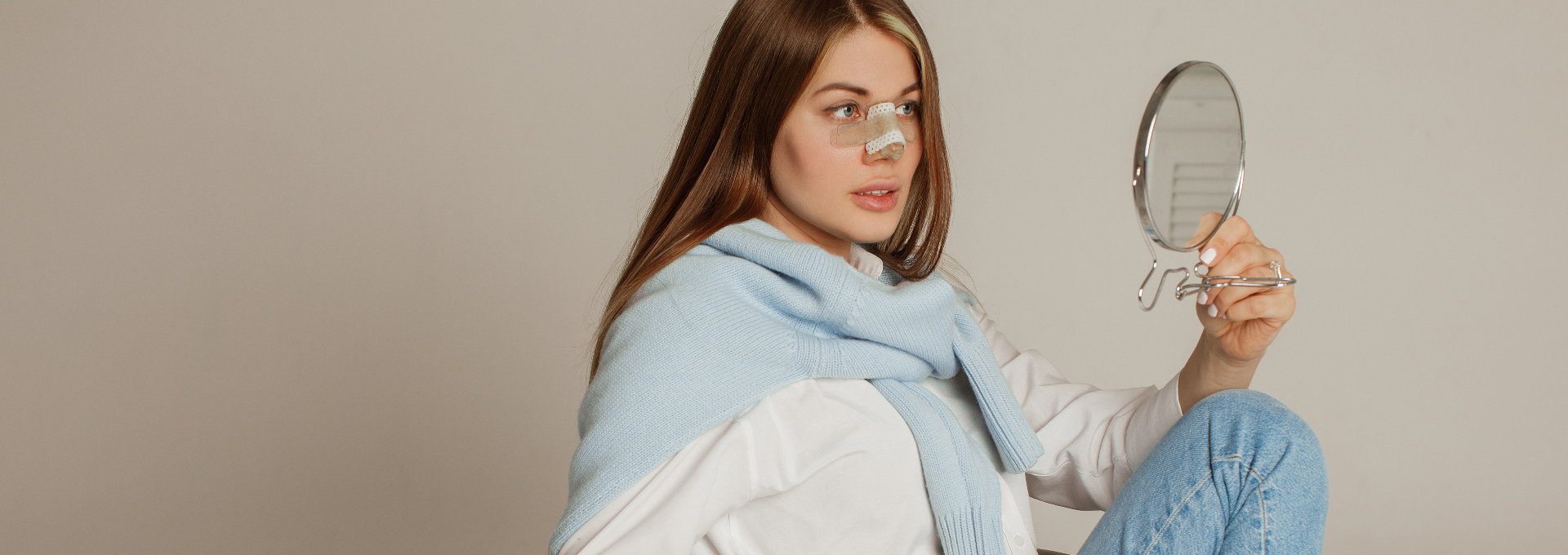
Patient Education
What Happens If You Get Sick After a Nose Job?
What happens if you get sick after a nose job? Learn how colds, fevers, or infections can affect rhinoplasty recovery — and how to protect your results with expert tips from Kowon Plastic Surgery in Seoul.
Article
Published by Kowon Plastic Surgery, Gangnam, Seoul
Understanding Illness During Rhinoplasty Recovery — From a Surgeon’s Perspective
You’ve finally gone through with your nose job. Whether it was your first surgery or a carefully planned revision, you’re likely feeling a mix of relief, hope, and a touch of nerves about healing. But then—out of nowhere—you start to feel sick.
A sore throat. A mild fever. Maybe even body aches or congestion.
Is this normal? Will it affect your healing? Do you need to worry?
These are questions we often hear at Kowon Plastic Surgery, especially from international patients recovering in Seoul who may not have easy access to their primary doctor during recovery. As a rhinoplasty-focused clinic known for safe, meticulous care — especially in complex or implant-free cases — we know how important post-op stability is. So let’s walk you through what it actually means to get sick after a nose job, and when to take action.
Why the First Two Weeks Matter So Much
After rhinoplasty — especially structural procedures like rib cartilage grafts or revision surgeries — your body goes into repair mode. Blood vessels regenerate, swelling gradually subsides, and delicate cartilage starts to stabilize in its new shape. This healing process is carefully choreographed.
Now imagine catching a cold or flu during this time.
Sudden sneezing, coughing, or inflammation in the sinus passages can disrupt that healing rhythm. And that’s not just a minor inconvenience — it can increase your discomfort, extend swelling, or in rare cases, even affect the surgical outcome.
At Kowon, we often say:
“The nose is not just what you see on the outside — it’s a central organ for breathing, balance, and beauty. That’s why healing must be protected, inside and out.”
Common Illnesses After Rhinoplasty — What They Mean
Let’s break down the typical illnesses people worry about post-rhinoplasty, and what they might mean for your recovery:
1. Mild Cold or Upper Respiratory Infection
Symptoms: Runny nose, sneezing, mild cough, fatigue
Risk Level: Low to moderate
What to Watch: Blowing your nose too early can damage internal sutures or cartilage placement. Sneezing forcefully through the nose increases pressure and may worsen swelling.
What many patients don’t realize is that the internal structures are far more delicate than the external appearance suggests — especially in the first 2-3 weeks.
Tip: If you must sneeze, do it with your mouth open to reduce nasal pressure. Avoid antihistamines unless your surgeon approves — they can dry out tissues too much and slow healing.
2. Flu or Fever-Related Illness
Symptoms: High fever, body aches, fatigue, chills
Risk Level: Moderate
What to Watch: A rising fever in the first week could be a sign of infection — not just a cold. If your fever exceeds 38°C (100.4°F), call your surgeon. Persistent fatigue or chills may also signal your immune system is under more stress than it should be during recovery.
At Kowon, we monitor for signs of systemic infection closely — especially in patients with rib cartilage grafts, as the donor site (often the chest) also requires careful healing.
3. COVID-19 or Other Viral Respiratory Infections
Symptoms: Cough, shortness of breath, loss of taste/smell, fatigue
Risk Level: High
What to Watch: Breathing difficulties after a nasal surgery can be confusing — is it congestion from swelling or from the virus? COVID-19 adds a layer of respiratory risk that must be taken seriously. It can also increase the likelihood of complications like post-op bleeding or inflammation.
Advice: Let your clinic know immediately if you test positive or experience symptoms — even weeks after surgery. We may advise a temporary pause on certain recovery steps (like taping, nasal rinses, etc.) to protect healing tissues.
Will Being Sick Affect My Final Results?

Here’s the honest answer:
It depends on the timing, severity, and how you respond.
If you catch a mild cold in the second or third week post-op and take care not to strain your nose, the long-term impact is likely minimal. But if you develop a high fever, sinus infection, or COVID-19 within the first 7–10 days, it could increase your risk of:
Prolonged swelling
Subtle asymmetries (especially in delicate revision cases)
Graft displacement (in rib cartilage or septal work)
Poor scar healing (especially in open rhinoplasty incisions)
Think of your nose like a sculpture still setting. The material is soft, the edges are fragile — and a sudden storm can blur the detail.
What Should You Do If You Feel Sick After Surgery?
If you’re recovering after rhinoplasty — especially here in Korea as an international patient — and start to feel unwell, follow these steps:
1. Contact Your Surgical Team Early
At Kowon, we encourage patients to reach out even for small symptoms — because early intervention prevents complications. We’ll ask specific questions about:
Onset of symptoms
Presence of fever
Changes in nasal drainage
Breathing or pain issues
Timing since your surgery
Don’t try to “tough it out.” Healing is not a test of endurance — it’s a collaborative process.
2. Avoid Over-the-Counter Medications Without Approval
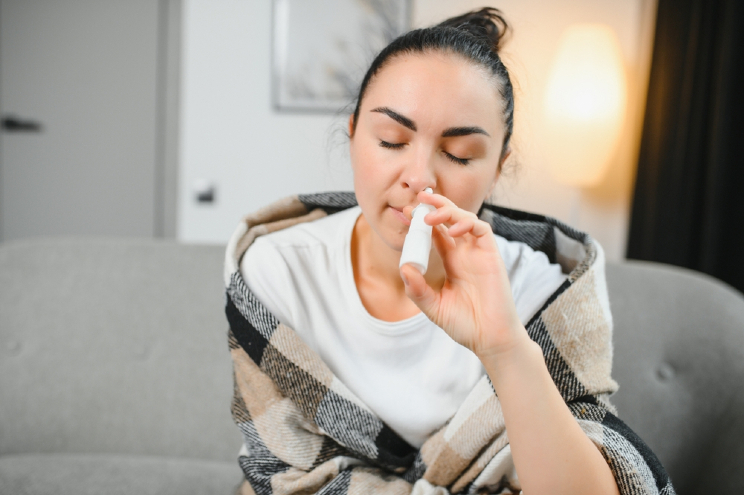
Medications like ibuprofen, aspirin, or nasal sprays can seem harmless — but some thin the blood or interfere with tissue recovery. Always ask your clinic before using anything new, especially during the first month post-surgery.
3. Prioritize Hydration, Rest, and Humidified Air
A dry or inflamed nasal cavity is the last thing you want post-op. Drink warm fluids, avoid hot baths, and consider using a cool mist humidifier — especially during winter or in heated hotel rooms.
Prevention: How to Protect Yourself After Surgery
No one can fully prevent illness — but there are precautions that can reduce your risk after rhinoplasty:
Avoid crowded areas during the first 2–3 weeks, especially public transport or indoor gatherings.
Wear a mask when out in public — not just for protection, but to keep the nasal tissues warm and humidified.
Don’t fly too early — ideally wait at least 2–3 weeks before boarding a plane, unless your surgeon approves earlier travel.
Ask your clinic about immune support — at Kowon, we often recommend light, surgeon-approved supplements for healing.
When to Seek Urgent Help

Call your surgeon immediately if you experience:
Persistent high fever (>38.5°C or 101.3°F)
Sudden increase in nasal pain or pressure
Green/yellow discharge with odor
Shortness of breath or chest pain
Bleeding that soaks through gauze
These could indicate post-op complications that require prompt care — such as infection, hematoma, or graft issues.
Final Thoughts: Your Body Is Healing — Treat It Like Sacred Ground
Illness during recovery can feel like a setback. But in most cases, with the right precautions and open communication, your body knows how to recover gracefully. What matters most is not pushing through illness, but partnering with your surgical team to adapt and protect your results.
At Kowon Plastic Surgery, we take pride in staying closely involved with our patients’ recovery — whether they’re here in Gangnam or returning home abroad.
If you're considering rhinoplasty — especially a complex revision or implant-free nasal reconstruction — choose a clinic that offers more than just surgical skill. Look for one that supports your healing journey at every step.
Unsure What’s Normal After Surgery?
If you’ve recently had a rhinoplasty and feel unwell, don’t wait to ask for help. Contact a specialist clinic that understands both the art and biology of nasal healing — like Kowon Plastic Surgery. Your nose isn’t just part of your face. It’s part of your breath, your identity, and your confidence. Let it heal with the care it deserves.
Medical Information
Read this article as general guidance.
- This article is provided for general education. It does not replace an in-person examination by a qualified surgeon.
- Results vary between patients. Rhinoplasty can involve bleeding, infection, scarring, asymmetry, breathing changes, graft or implant problems and the possibility of revision surgery.
- Computer simulations and before-and-after photographs cannot guarantee an individual outcome.
- Any prices or timelines mentioned are general. Request an individualised, itemised written quotation and a procedure-specific recovery schedule before paying a deposit or booking travel.
Published by
Kowon Plastic Surgery
A rhinoplasty-focused clinic in Gangnam, Seoul, led by Dr. Kim Hyeongtaek and registered with Medical Korea to treat international patients.
Consultation
Questions about this topic? Ask Dr. Kim directly.
2F, 110 Dosan-daero, Gangnam-gu, Seoul 06038. Send clear photographs, your main concerns and any previous surgery history, and Dr. Kim Hyeongtaek will review what can be assessed before you travel.
International Patient Desk — Gangnam
Kowon Plastic Surgery
Director Dr. Kim Hyeongtaek
Single-surgeon rhinoplasty and autologous cartilage center in Seoul. Delivering meticulous, individual surgical architecture for primary and complex revision procedures.
Practice & Inquiries
Gangnam Clinic
2F, 110 Dosan-daero, Gangnam District, Seoul 06038, South Korea
Consultation Hours (KST)
Mon – Fri: 10:00 – 19:00
Sat: 10:00 – 16:00 · Sun & Holidays Closed
Direct Communication Channels
Telephone: +822-6242-7080WhatsApp: +1-206-809-1367LINE Official: @967xxmreWeChat Consultation Service© 2025 Kowon Plastic Surgery. All rights reserved.
Registered Medical Institution for Foreign Patient Facilitation (Medical Korea). Surgical consultation and procedure terms subject to Korean Ministry of Health and Welfare guidelines.