
Patient Education
Traveling for Rhinoplasty: Is It Worth It?
Considering rhinoplasty abroad? Discover the pros, cons, and tips for traveling for nose surgery. Find out if it’s the right choice for you—learn more!
Article
Published by Kowon Plastic Surgery, Gangnam, Seoul
You’ve been researching rhinoplasty for months. Maybe you’ve already had one procedure, but the results fell short. Or maybe you’re finally ready to address a lifelong insecurity or breathing issue. But when you start looking for the right surgeon, something becomes clear: the best options might not be in your backyard.
It’s no surprise that more patients today are willing to cross borders for better outcomes. In particular, South Korea—and especially Gangnam, Seoul—has become a global destination for advanced, natural-looking rhinoplasty.
But is traveling for rhinoplasty really worth it? Let’s break it down from both a surgeon’s and a patient’s perspective.
Why Are So Many Patients Traveling for Nose Surgery?
Plastic surgery is deeply personal. For something as central and complex as the nose, even subtle differences in technique can make a world of difference. That’s why more patients are expanding their search beyond local clinics to find rhinoplasty specialists who:
Offer advanced revision techniques for previously operated noses
Use safer materials, like autologous rib cartilage, instead of implants
Understand Asian and global nasal aesthetics with cultural nuance
Combine cosmetic goals with functional breathing preservation
At Kowon Plastic Surgery, we’ve seen a rise in international patients seeking out our implant-free, rib cartilage-based methods—especially those who experienced complications elsewhere or want long-term safety, not shortcuts.
“One of our recent patients flew in from the U.S. after two failed rhinoplasties. She told us, ‘I finally stopped choosing what’s convenient—and started looking for what’s right.’ That mindset makes all the difference.”
The Pros of Traveling for Rhinoplasty
1. Access to Specialized Surgeons
Let’s be candid: not all surgeons are equally equipped to handle every nose.
Primary rhinoplasty requires a refined sense of proportion and technical finesse. Revision rhinoplasty demands even more—restoring structure, salvaging scarred tissue, sometimes even rebuilding from scratch. This isn’t something any cosmetic clinic can handle.
Dr. Kim Hyung Taek, our lead surgeon at Kowon, is internationally recognized for complex nasal reconstruction using the patient’s own rib cartilage. With over 19 years of surgical experience and more than 10,000 successful rhinoplasties, his practice offers a level of depth that’s hard to find even in major cities abroad.
“Noses are like architecture. If the foundation was built poorly the first time, you don’t just patch it up—you rebuild with better materials and a better plan.”
2. Implant-Free, Long-Term Solutions
Many patients who come to us from overseas had silicone or Gore-Tex implants placed in earlier surgeries—and now face issues like shifting, thinning skin, or infection.
Our philosophy centers on autologous reconstruction: using the patient’s own rib cartilage to create durable, natural-looking structures without the risks of synthetic implants. This approach is especially beneficial for:
Thin-skinned patients prone to implant visibility
Those with collapsed bridges or upturned tips post-implant removal
Anyone seeking safer, more biocompatible outcomes
Traveling for this level of specialized care often pays off in peace of mind—and fewer future surgeries.
The Challenges You Need to Prepare For
Traveling for rhinoplasty isn't for everyone. It takes careful planning and a commitment to aftercare. Here are the key considerations:
1. Downtime & Logistics
Most patients stay in Korea for 7–14 days post-surgery to manage swelling, attend follow-up visits, and ensure the nose is healing safely. That means time off work or school, accommodations, and possibly a companion to travel with.
At Kowon, we assist with post-op care planning, including:
Local recovery accommodations
Multilingual staff to guide you
Detailed aftercare instructions before your return flight
2. Follow-Up Limitations
While we offer virtual follow-up consultations for overseas patients, some aspects of healing are best monitored in person. That’s why we always recommend a clinic that specializes in high-safety techniques, where revision risk is minimized from the start.
When planning your surgery abroad, ask:
Does the clinic offer remote follow-ups?
Do they have experience with international patients?
Are their results built to last—even without frequent in-person checkups?
Why South Korea, and Why Gangnam?
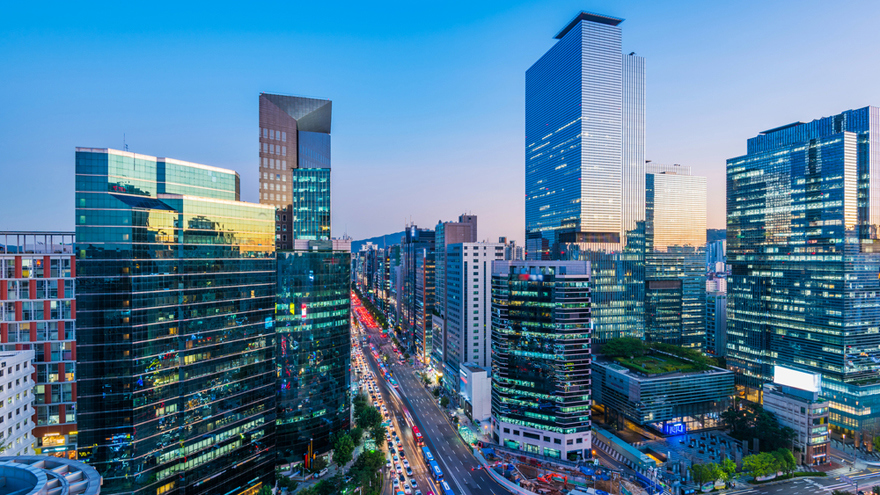
South Korea’s reputation in the field of plastic surgery is no accident. With a strong medical infrastructure, rigorous training, and cultural emphasis on harmony and precision, Korean surgeons are at the forefront of both aesthetic and functional rhinoplasty.
Gangnam, in particular, is Korea’s aesthetic capital. It’s where innovation meets artistry—and where practices like Kowon Plastic Surgery take rhinoplasty beyond cosmetic enhancement to true nasal harmony.
Our clinic stands apart because we focus on:
Low-volume, high-precision care: We don’t rush or overload our schedule.
No-implant philosophy: We rely on biologically safe materials like rib cartilage.
Functional preservation: A beautiful nose is one you can breathe through.
What Many Patients Don’t Realize About “Fixing” Their Nose
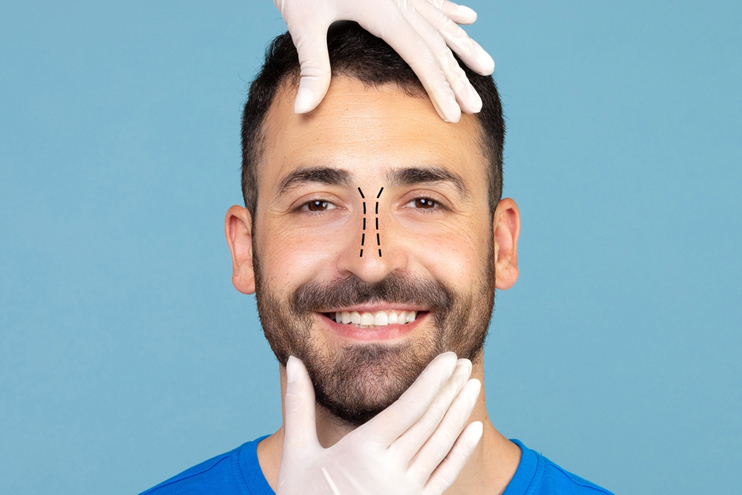
We often meet patients who’ve had one—or even two—surgeries elsewhere, but still struggle with unnatural contours, stiffness, or breathing issues.
What they don’t realize is this: each surgery leaves behind internal scar tissue and structural changes. A revision isn’t just cosmetic—it’s reconstructive. And not every surgeon has the training or tools to handle that.
“When a nose has been operated on before, we often need to harvest rib cartilage to rebuild internal support. It’s not about just raising the bridge—it’s about restoring strength and softness together.”
That’s why choosing the right surgeon, even if it means traveling, can save you years of regret or further corrections.
Is It Worth It? Here's the Honest Answer.
Traveling for rhinoplasty is not a shortcut. It’s a commitment—of time, resources, and trust.
But if you’re dealing with a complex nose, a failed implant, or a desire for long-lasting, natural results, it’s often the smarter investment. Especially when you consider the cost—financially and emotionally—of needing revision after revision.
At Kowon Plastic Surgery, we believe each nose deserves a personalized blueprint, not a templated approach. We don’t just perform surgery—we restore confidence, ease of breathing, and balance to the face.
Final Takeaway: Know When to Travel for Surgery
If you’re considering traveling for rhinoplasty, ask yourself:
Do I need a revision, or a specialist in complex nasal anatomy?
Do I want a surgeon who avoids implants and prioritizes long-term safety?
Am I willing to invest time in healing, not just results?
If the answer is yes, then traveling for rhinoplasty—especially to a global leader like Kowon—can absolutely be worth it.
When you're ready to take the next step, choose a clinic that leads with precision, safety, and deeply personalized care. That’s what defines Kowon Plastic Surgery.
Medical Information
Read this article as general guidance.
- This article is provided for general education. It does not replace an in-person examination by a qualified surgeon.
- Results vary between patients. Rhinoplasty can involve bleeding, infection, scarring, asymmetry, breathing changes, graft or implant problems and the possibility of revision surgery.
- Computer simulations and before-and-after photographs cannot guarantee an individual outcome.
- Any prices or timelines mentioned are general. Request an individualised, itemised written quotation and a procedure-specific recovery schedule before paying a deposit or booking travel.
Published by
Kowon Plastic Surgery
A rhinoplasty-focused clinic in Gangnam, Seoul, led by Dr. Kim Hyeongtaek and registered with Medical Korea to treat international patients.
Consultation
Questions about this topic? Ask Dr. Kim directly.
2F, 110 Dosan-daero, Gangnam-gu, Seoul 06038. Send clear photographs, your main concerns and any previous surgery history, and Dr. Kim Hyeongtaek will review what can be assessed before you travel.
International Patient Desk — Gangnam
Kowon Plastic Surgery
Director Dr. Kim Hyeongtaek
Single-surgeon rhinoplasty and autologous cartilage center in Seoul. Delivering meticulous, individual surgical architecture for primary and complex revision procedures.
Practice & Inquiries
Gangnam Clinic
2F, 110 Dosan-daero, Gangnam District, Seoul 06038, South Korea
Consultation Hours (KST)
Mon – Fri: 10:00 – 19:00
Sat: 10:00 – 16:00 · Sun & Holidays Closed
Direct Communication Channels
Telephone: +822-6242-7080WhatsApp: +1-206-809-1367LINE Official: @967xxmreWeChat Consultation Service© 2025 Kowon Plastic Surgery. All rights reserved.
Registered Medical Institution for Foreign Patient Facilitation (Medical Korea). Surgical consultation and procedure terms subject to Korean Ministry of Health and Welfare guidelines.