
Patient Education
Top Rhinoplasty Mistakes to Avoid for the Best Results
Avoid common rhinoplasty mistakes with expert tips on choosing a surgeon, managing expectations, and ensuring a successful recovery for lasting results.
Article
Published by Kowon Plastic Surgery, Gangnam, Seoul
Rhinoplasty, often referred to as a nose job, can be a life-changing procedure that enhances both the appearance and functionality of your nose. However, achieving the best results requires careful planning, expert guidance, and an understanding of potential pitfalls. Below, we will explore common mistakes to avoid when planning your rhinoplasty and offer insights from leading surgeons to help ensure a successful outcome.
Choosing an Inexperienced Surgeon
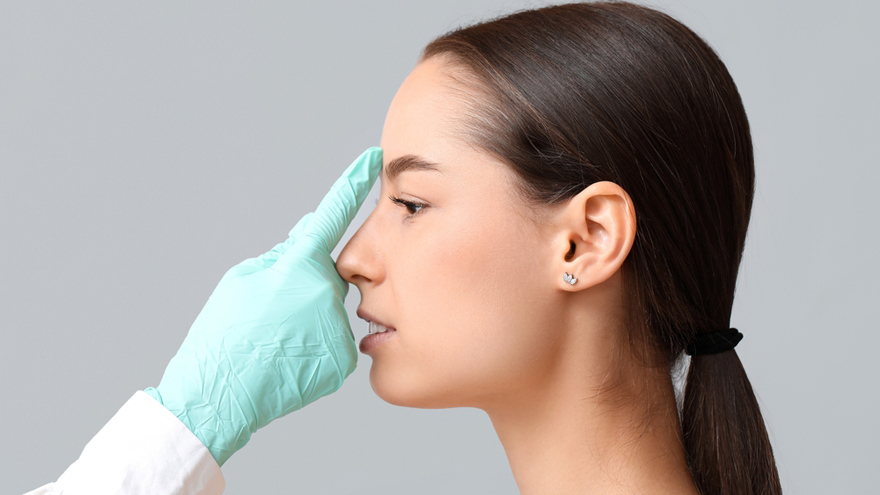
One of the most critical steps in your rhinoplasty journey is selecting a surgeon with expertise specifically in rhinoplasty. This delicate surgery requires a high level of skill and an in-depth understanding of facial anatomy. Selecting an inexperienced or unqualified surgeon can lead to unsatisfactory results, complications, or the need for costly revision surgery.
Why It’s Important:
A board-certified plastic surgeon who specializes in rhinoplasty brings a wealth of knowledge and advanced techniques to the table. Look for surgeons who consistently perform rhinoplasty procedures and stay current with the latest methods, such as autologous rib cartilage rhinoplasty, which offers natural-looking, safe results.
What You Should Consider:
Specialization in Rhinoplasty: Don’t settle for a general plastic surgeon; choose someone who focuses on nasal surgery.
Consultation Approach: A skilled surgeon will take time to understand your goals and provide an in-depth evaluation of your nose and facial structure.
Before-and-After Results: Reviewing a surgeon's portfolio of before-and-after images is essential in setting expectations and ensuring the surgeon's style aligns with your vision.
Expert Insight:
Dr. Jane Thompson, a renowned plastic surgeon with over 20 years of experience, emphasizes, “It’s vital to consult with a surgeon who can balance both the art and science of rhinoplasty—ensuring both form and function are preserved.”
Setting Unrealistic Expectations
Many patients approach rhinoplasty with expectations of achieving an idealized or “perfect” nose, often inspired by celebrities or models. However, rhinoplasty should enhance your natural features rather than attempting to create a “cookie-cutter” result.
Why This Matters:
A skilled surgeon will tailor the procedure to your unique facial anatomy, improving the shape of your nose while maintaining a natural, harmonious appearance. While rhinoplasty can dramatically improve your nose, it’s essential to recognize the limits of what the procedure can achieve.
How to Manage Expectations:
Understanding Limits: Rhinoplasty can refine your nose but won’t give you a nose identical to someone else’s. The goal is to create a nose that complements the rest of your face.
Open Communication with Your Surgeon: During your consultation, be open about your desires, but also listen to your surgeon’s professional guidance on what is achievable.
Acknowledging Natural Differences: Every nose is unique, and some features may not be changeable without compromising the nose’s function or appearance.
Overlooking Post-Operative Care
Rhinoplasty recovery is a vital aspect of ensuring long-term success. Underestimating the time and attention required for proper healing can lead to complications such as prolonged swelling or infection, which could affect your final results.
Why It’s Crucial:
Proper post-operative care significantly impacts your healing process and the final outcome of your rhinoplasty. Swelling, bruising, and discomfort are common after surgery, and how well you follow your surgeon’s instructions will influence how quickly and smoothly you recover.
What to Expect in Recovery:
Rest and Recovery Timeline: Initial recovery typically takes 1 to 2 weeks, with swelling and bruising peaking in the first few days. Full recovery, including the resolution of any residual swelling, can take up to a year.
Follow Care Instructions: Your surgeon will give specific advice on managing swelling, preventing infections, and avoiding activities that strain the healing process.
Physical Strain: Avoid vigorous physical activities, such as exercise or heavy lifting, for at least 6-8 weeks post-surgery to protect your nose during recovery.
Real Patient Insight:
“I didn’t realize how much patience recovery would require. The swelling was discouraging at first, but my surgeon’s advice on rest and care really helped me stay on track,” shares Emily P., a recent rhinoplasty patient.
Skipping an In-Depth Consultation

A thorough consultation is essential in setting clear expectations and ensuring you are fully informed about the procedure. Skipping this step or not adequately preparing can lead to misunderstandings and dissatisfaction with the results.
Why This Matters:
A comprehensive consultation provides you with the opportunity to discuss your aesthetic goals, ask questions, and allow the surgeon to evaluate your nose’s structure. This is where you can align your vision with realistic possibilities.
What Should Be Covered:
Goal Discussion: Clearly explain why you want rhinoplasty and what changes you’re hoping to see.
Physical Examination: Your surgeon will assess your nasal structure, cartilage, and bone, considering both functional and aesthetic concerns.
Medical History: Discuss any relevant health conditions or previous surgeries, as this information may affect your recovery or surgical approach.
Expert Tip:
“During the consultation, we not only focus on aesthetics but also assess how the surgery will improve nasal function, especially for patients with breathing difficulties,” explains Dr. Thompson.
Focusing Only on Aesthetic Changes and Ignoring Functionality
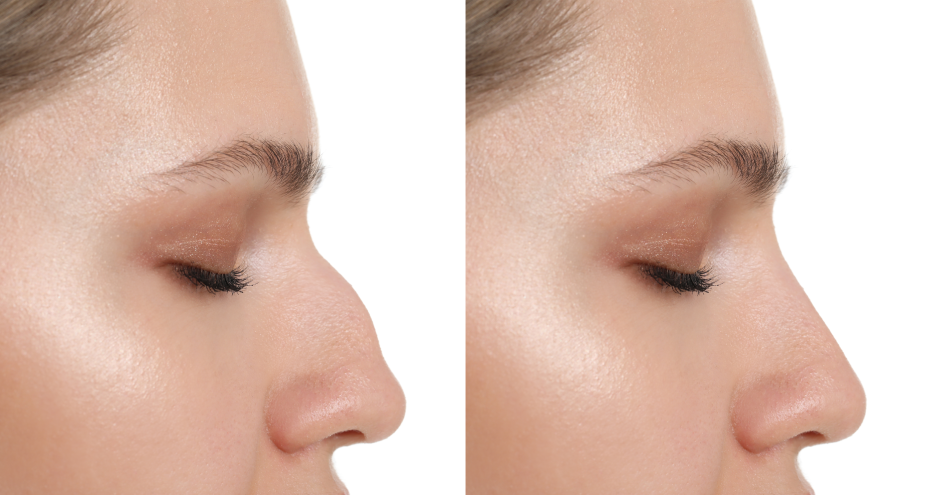
While many patients seek rhinoplasty for cosmetic reasons, it’s essential to also consider how the surgery affects nasal function. If your surgery only focuses on appearance without considering airflow, you may face breathing issues later on.
Why It Matters:
Rhinoplasty can help improve both appearance and function. If you have structural issues like a deviated septum, a functional rhinoplasty might be necessary alongside the cosmetic changes to ensure better airflow.
Risks of Ignoring Functionality:
Breathing Issues: Cosmetic changes, if not carefully planned, can lead to a narrowing of nasal passages, worsening breathing problems.
Balance Between Aesthetics and Function: A skilled surgeon will ensure that your nose looks great and that you can breathe comfortably.
Septoplasty Integration: For patients with breathing difficulties, combining rhinoplasty with a septoplasty can restore proper airflow while improving appearance.
How to Ensure Both Are Addressed:
Consult a Functional and Aesthetic Specialist: Choose a surgeon who specializes in both the cosmetic and functional aspects of rhinoplasty.
Discuss Breathing Concerns: If you have a history of breathing issues, make sure your surgeon is aware so they can address both aesthetic and functional goals.
Ignoring Age and Health Status
Age and health conditions can significantly influence your rhinoplasty results. Failing to consider these factors may lead to complications or suboptimal results.
Why It’s Important:
Age Considerations: For younger patients, it’s essential to wait until the nose has fully matured (around age 16 for females and 18 for males) to avoid disrupting natural growth.
Health Conditions: Certain conditions, such as hypertension or diabetes, can slow recovery and increase risks during surgery.
How to Make Inform
ed Decisions:
Consult Your Primary Care Physician: If you have health concerns, it’s vital to get a full medical evaluation to ensure you are fit for surgery.
Evaluate the Impact of Aging: Older patients may require a more conservative approach due to decreased skin elasticity and cartilage flexibility.
Prioritizing Price Over Expertise
Price should not be the sole factor when selecting a surgeon for rhinoplasty. Opting for the cheapest option can lead to poor outcomes, complications, or the need for revision surgery, which may end up costing more in the long run.
Why It Matters:
Rhinoplasty is a complex procedure that requires advanced skill. Surgeons who offer lower prices may lack the necessary expertise or use outdated techniques, risking subpar results.
How to Ensure You Get Value for Your Investment:
Prioritize Expertise Over Cost: Look for a surgeon with extensive rhinoplasty experience, even if their fees are higher. The quality of the results is worth the investment.
Review What’s Included in the Price: Ensure the quoted price covers consultations, aftercare, and follow-up appointments to avoid hidden costs.
Surgeon Insight:
“While cost is a consideration, the long-term results and patient satisfaction are what truly matter,” says Dr. Thompson. “Choosing an experienced surgeon may initially seem more expensive, but it will save you from costly revisions and potential complications later on.”
Conclusion: How to Plan for a Successful Rhinoplasty
Planning for rhinoplasty requires careful research and thoughtful decision-making. By avoiding common mistakes, such as selecting an inexperienced surgeon, ignoring post-operative care, and setting unrealistic expectations, you can greatly increase your chances of achieving a successful, satisfying outcome.
Choose a surgeon with the expertise and experience needed to meet your unique needs. With the right preparation, communication, and post-operative care, rhinoplasty can enhance both the appearance and functionality of your nose, giving you long-lasting, natural results.
Medical Information
Read this article as general guidance.
- This article is provided for general education. It does not replace an in-person examination by a qualified surgeon.
- Results vary between patients. Rhinoplasty can involve bleeding, infection, scarring, asymmetry, breathing changes, graft or implant problems and the possibility of revision surgery.
- Computer simulations and before-and-after photographs cannot guarantee an individual outcome.
- Any prices or timelines mentioned are general. Request an individualised, itemised written quotation and a procedure-specific recovery schedule before paying a deposit or booking travel.
Published by
Kowon Plastic Surgery
A rhinoplasty-focused clinic in Gangnam, Seoul, led by Dr. Kim Hyeongtaek and registered with Medical Korea to treat international patients.
Consultation
Questions about this topic? Ask Dr. Kim directly.
2F, 110 Dosan-daero, Gangnam-gu, Seoul 06038. Send clear photographs, your main concerns and any previous surgery history, and Dr. Kim Hyeongtaek will review what can be assessed before you travel.
International Patient Desk — Gangnam
Kowon Plastic Surgery
Director Dr. Kim Hyeongtaek
Single-surgeon rhinoplasty and autologous cartilage center in Seoul. Delivering meticulous, individual surgical architecture for primary and complex revision procedures.
Practice & Inquiries
Gangnam Clinic
2F, 110 Dosan-daero, Gangnam District, Seoul 06038, South Korea
Consultation Hours (KST)
Mon – Fri: 10:00 – 19:00
Sat: 10:00 – 16:00 · Sun & Holidays Closed
Direct Communication Channels
Telephone: +822-6242-7080WhatsApp: +1-206-809-1367LINE Official: @967xxmreWeChat Consultation Service© 2025 Kowon Plastic Surgery. All rights reserved.
Registered Medical Institution for Foreign Patient Facilitation (Medical Korea). Surgical consultation and procedure terms subject to Korean Ministry of Health and Welfare guidelines.