
Patient Education
Rib Cartilage Rhinoplasty: How Long Do Results Last?
Discover how long cartilage grafting rhinoplasty results last and how rib cartilage ensures stable, natural outcomes with expert insights from Dr. Kim.
Article
Published by Kowon Plastic Surgery, Gangnam, Seoul
When it comes to lasting nasal reshaping, cartilage grafting rhinoplasty has become a preferred option for patients seeking both beauty and function. At Kowon Plastic Surgery, led by renowned surgeon Dr. Kim Hyung Taek, thousands of patients have experienced stable, natural results thanks to the use of rib cartilage—a method known for its strength and durability.
But what determines how long these results truly last? And how can patients ensure they get the most out of their surgery? Below, we break down expert insights, clinical context, and real-world experiences to give you a clear picture.
Why Rib Cartilage Works So Well

"In over 19 years of practice, I've consistently found that rib cartilage offers the strongest and most adaptable material for complex rhinoplasty cases," says Dr. Kim. Unlike synthetic implants or softer cartilage, rib grafts provide long-term structural integrity and integrate seamlessly with natural tissue.
Because the cartilage comes from your own body (autologous cartilage), rejection risks are minimal. It becomes a part of your nasal framework—helping not just with aesthetics but often improving breathing too. Rib cartilage also resists warping and is ideal for patients who require significant structural support, such as in Asian rhinoplasty or revision cases.
How the Grafting Process Happens
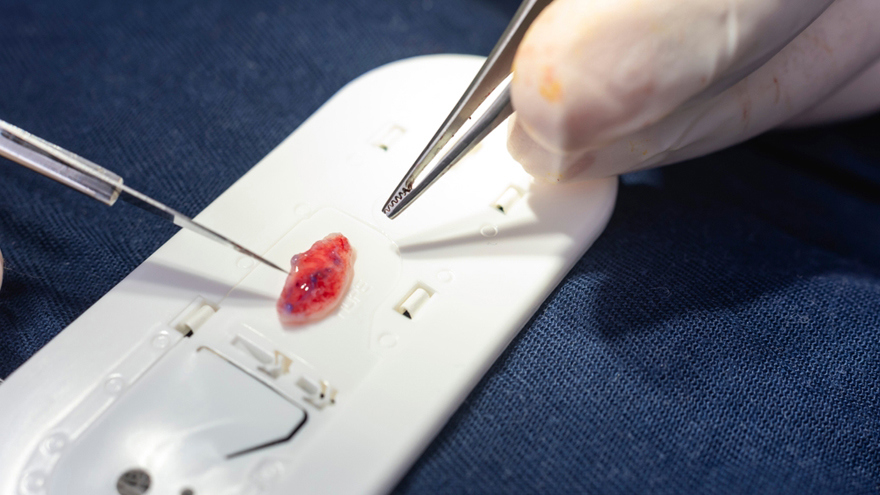
Every cartilage grafting rhinoplasty includes two primary phases:
Harvesting: A small piece of rib cartilage is taken via a discreet incision below the chest or ribcage. The cartilage is then trimmed and shaped to match your needs—whether it's projection, support, or bridge correction. This step requires surgical precision to ensure the donor site heals well and the cartilage is viable for reshaping.
Grafting: The shaped cartilage is carefully placed within your nose to strengthen weak areas, enhance the nasal tip, correct post-surgical deformities, or improve internal airflow. Surgeons often use multiple grafts—such as spreader, columellar, or alar grafts—to optimize both function and aesthetics.
According to Dr. Kim, "the precision in shaping and placing the cartilage is what determines the long-term outcome. We create a structure that's not just beautiful but durable."
Longevity: What the Evidence Shows
Most patients can expect their cartilage graft to last indefinitely. While minor changes may occur over time due to aging, the graft itself remains stable. A 2021 study in Facial Plastic Surgery Clinics noted that autologous rib cartilage maintains its integrity over decades in most patients, with a low incidence of resorption or warping.
Even so, several variables can influence the lifespan of results:
Age: Younger patients typically see better integration and longer-lasting results due to skin elasticity and healing capacity.
Cartilage Quality: Firmer cartilage from the rib outperforms septal or ear cartilage in longevity. Rib cartilage's density offers greater resistance to deformation.
Surgical Technique: Precision during graft placement and fixation dramatically reduces the need for revision surgery. Micro-suturing techniques and graft stabilization are key.
Post-op Care: Proper healing practices—like avoiding trauma, managing inflammation, and staying smoke-free—help preserve the graft’s shape and stability.
Many board-certified plastic surgeons agree that when these variables are optimized, cartilage grafts can last a lifetime without significant change.
Patient Experience: What to Expect in Recovery
Recovery varies slightly based on whether rib cartilage is used, but generally follows this timeline:
First Week: Expect swelling, bruising, and some discomfort around the nose and donor site. Most patients return to work or school within 7–10 days.
1–3 Months: Swelling gradually subsides and the nasal shape becomes more refined. Patients should avoid contact sports or heavy physical activity.
6–12 Months: Final results become visible, with the graft fully integrated into the nasal structure. The rib donor site also fully heals, leaving a faint scar that typically fades well.
Many of Dr. Kim’s patients describe the initial discomfort as manageable, often comparing the rib harvesting site to "a sore muscle" for the first few days.
When Revisions Are Needed
Although rare, revision rhinoplasty may be required if grafts shift, warp, or don’t heal as expected. Dr. Kim emphasizes that "in the hands of an experienced surgeon, the need for revision is minimal—less than 5% in our clinic."
Common reasons for revision include:
Graft malposition
Asymmetry from trauma or healing variances
Patient aesthetic dissatisfaction after several years
Even in revision scenarios, rib cartilage remains the go-to material due to its structural reliability and compatibility.
Real-World Longevity: Patient Stories
One patient, Ji-hye, shared: "It’s been six years since my surgery with Dr. Kim. My nose still looks just as defined, and I breathe better than ever."
Another patient from Canada noted, "Even after flying internationally and dealing with temperature changes, the graft has held up perfectly. I’ve never had to think twice about it."
A third patient, Michael from Australia, underwent revision surgery after a failed implant rhinoplasty. "Dr. Kim rebuilt my nose using rib cartilage. Three years later, the results look completely natural. I’ve never felt more confident."
Is It Safe?

Yes—especially when performed by specialists like those at Kowon. Using your own tissue reduces infection risk, and the clinic’s protocol includes thorough pre-surgical screening and post-op follow-up. Dr. Kim and his team also use advanced sterilization and graft preparation techniques to minimize complications.
Possible risks include:
Minor scarring at the rib site
Graft visibility in thin-skinned patients
Temporary breathing changes during swelling
However, these are rare and generally resolve with proper care.
Why Patients Choose Kowon Plastic Surgery
Located in the heart of Seoul, Kowon Plastic Surgery has built a reputation for excellence in rib cartilage rhinoplasty. International patients receive concierge-level care, from virtual consultations to multilingual support and aftercare planning.
With Dr. Kim’s background in reconstructive and aesthetic nasal surgery, patients benefit from both technical skill and an artistic eye. The clinic also provides preoperative 3D imaging to help patients visualize outcomes and set clear expectations.
Kowon’s approach emphasizes personalized treatment. Each surgical plan is customized, accounting for facial proportions, skin thickness, and patient goals. The result: rhinoplasty outcomes that look natural and feel uniquely tailored.
Takeaway
Cartilage grafting rhinoplasty offers one of the most enduring solutions for nasal reshaping—especially when performed with rib cartilage. With expert surgical technique, careful post-op care, and realistic expectations, most patients can enjoy their results for a lifetime.
Whether you're correcting a previous surgery, enhancing nasal aesthetics, or improving function, this approach offers a reliable, biologically sound option. Consult with a board-certified specialist like Dr. Kim Hyung Taek to determine if you're a candidate and to understand what personalized outcomes are possible.
Medical Information
Read this article as general guidance.
- This article is provided for general education. It does not replace an in-person examination by a qualified surgeon.
- Results vary between patients. Rhinoplasty can involve bleeding, infection, scarring, asymmetry, breathing changes, graft or implant problems and the possibility of revision surgery.
- Computer simulations and before-and-after photographs cannot guarantee an individual outcome.
- Any prices or timelines mentioned are general. Request an individualised, itemised written quotation and a procedure-specific recovery schedule before paying a deposit or booking travel.
Published by
Kowon Plastic Surgery
A rhinoplasty-focused clinic in Gangnam, Seoul, led by Dr. Kim Hyeongtaek and registered with Medical Korea to treat international patients.
Consultation
Questions about this topic? Ask Dr. Kim directly.
2F, 110 Dosan-daero, Gangnam-gu, Seoul 06038. Send clear photographs, your main concerns and any previous surgery history, and Dr. Kim Hyeongtaek will review what can be assessed before you travel.
International Patient Desk — Gangnam
Kowon Plastic Surgery
Director Dr. Kim Hyeongtaek
Single-surgeon rhinoplasty and autologous cartilage center in Seoul. Delivering meticulous, individual surgical architecture for primary and complex revision procedures.
Practice & Inquiries
Gangnam Clinic
2F, 110 Dosan-daero, Gangnam District, Seoul 06038, South Korea
Consultation Hours (KST)
Mon – Fri: 10:00 – 19:00
Sat: 10:00 – 16:00 · Sun & Holidays Closed
Direct Communication Channels
Telephone: +822-6242-7080WhatsApp: +1-206-809-1367LINE Official: @967xxmreWeChat Consultation Service© 2025 Kowon Plastic Surgery. All rights reserved.
Registered Medical Institution for Foreign Patient Facilitation (Medical Korea). Surgical consultation and procedure terms subject to Korean Ministry of Health and Welfare guidelines.