
Patient Education
Rhinoplasty Korea Cost 2026 | Kowon Plastic Surgery
Find out the real rhinoplasty Korea cost in 2026. Dr. Kim Hyeong Taek covers pricing, recovery, safety and results for US patients at Kowon Plastic Surgery Seoul.
Article
Published by Kowon Plastic Surgery, Gangnam, Seoul
Rhinoplasty in Korea: Cost, Recovery, Results and Safety Everything Americans Need to Know
Rebecca has been mentally editing her nose out of profile photos for over a decade and if you are reading this, you probably understand exactly what that feels like. The question that brought you here what does rhinoplasty Korea cost in 2026, and is it worth traveling this far is one of the most important questions you will research before making this decision, and it deserves a real, transparent answer.
Most articles about rhinoplasty Korea cost give you a vague number without telling you what is actually included, how it compares to what you would pay in Los Angeles or New York, or what the total financial picture looks like once flights and accommodation are factored in. American patients deserve more than a price range. They deserve a complete, honest breakdown from a surgeon who works with international patients every day.
By the end of this guide, you will understand the real rhinoplasty Korea cost in 2026 with a full itemized breakdown, how Seoul pricing compares to Los Angeles, New York, Miami, Chicago, and Houston, what the total trip cost looks like including flights and accommodation, the safety standards and recovery timeline you can expect at Kowon Plastic Surgery, and how Dr. Kim Hyeong Taek's 20 plus years of experience and autologous cartilage techniques deliver natural-looking results for American patients. If you are researching rhinoplasty for Americans in Korea, this guide covers everything you need to know before booking.
As a board-certified plastic surgeon who has performed 200 or more rhinoplasty procedures annually over more than 20 years, Dr. Kim Hyeong Taek provides expert, transparent guidance on what American patients truly need to know before booking surgery in Seoul.

Why Americans Are Choosing Korea for Rhinoplasty in 2026
Before we get into the cost breakdown, it helps to understand why Korea has become the global leader in rhinoplasty and why so many Americans are making the trip. The "why Korea" question is foundational, because it shapes everything that follows the value proposition, the quality expectation, and the peace of mind that comes with choosing a destination that has earned its reputation through results, not just marketing.
Korea's Global Rhinoplasty Reputation The Facts Behind the Trend
South Korea performs more rhinoplasty procedures per capita than any other country in the world. That is not a marketing claim it is a measurable output of a surgical culture built around hyper-specialization. In the United States, a plastic surgeon typically offers rhinoplasty as one of many procedures alongside facelifts, breast augmentation, and body contouring. In Korea, particularly in Seoul's Gangnam district, the most respected rhinoplasty surgeons devote their entire careers to nasal surgery alone. The result is a concentration of clinical depth that is genuinely difficult to match elsewhere.
Korean rhinoplasty has also pioneered a specific aesthetic philosophy that has been adopted internationally: natural-looking, ethnically harmonious results that enhance the patient's existing proportions without imposing a standardized template. This philosophy has proven particularly resonant with Western patients in 2026, who are moving away from the overtly altered looks of a previous surgical era toward results that are subtle, precise, and personal. Techniques like autologous costal cartilage rhinoplasty, which Dr. Kim Hyeong Taek helped pioneer in Korea, have since been adopted by surgeons internationally as the gold standard for structural cases.
What Makes Dr. Kim Hyeong Taek's Approach Different
Dr. Kim Hyeong Taek has been practicing rhinoplasty exclusively for more than 20 years, performing over 200 procedures annually at Kowon Plastic Surgery in Seoul's Gangnam district. That career volume, estimated at more than 4,000 rhinoplasty procedures, places him among the highest-volume specialists in South Korea. But volume alone does not tell the full story. What distinguishes Dr. Kim's approach is the clinical philosophy behind every procedure: no two surgical plans are identical, because no two faces are identical.
Dr. Kim's international training gives him a specific advantage for American patients. His surgical experience spans both East Asian and Western facial anatomy, which means he does not default to a Korean aesthetic template when treating patients from the United States. His direct English-language communication with patients no translator required means that clinical nuance is preserved throughout the consultation and decision-making process.
Why Los Angeles and New York Patients Are Making the Trip
The growth of medical tourism to Korea for rhinoplasty specifically reflects a rational calculation that more and more American patients are making. The LA Korean-American community has long understood the quality and cultural values embedded in Korean aesthetic medicine. Now, patients from across the country from New York and Miami to Chicago and Houston are arriving at the same conclusion through communities like r/SeoulPlasticSurgery on Reddit and RealSelf patient reviews.
The math is compelling. Even after factoring in international flights and two weeks of Seoul accommodation, the total rhinoplasty Korea cost is typically 40 to 60 percent lower than the equivalent procedure performed in Los Angeles or New York. For rhinoplasty for Americans in Korea, that financial reality combined with the quality of surgical outcomes is the driving force behind the trend. You can explore this further in our dedicated resource on rhinoplasty in Korea for LA patients.
What Is Rhinoplasty? Understanding Your Options at Kowon Plastic Surgery
Before discussing what Korean rhinoplasty costs and what recovery looks like, it is important to understand what rhinoplasty actually involves and what specific procedures are available to you at Kowon Plastic Surgery. Different concerns require different techniques, and understanding the clinical logic behind each option helps you arrive at your consultation with the right questions.
Primary Rhinoplasty What First-Time Patients Need to Know
Primary rhinoplasty refers to a first-time nasal surgery, as opposed to revision rhinoplasty, which addresses a previously operated nose. At Kowon, primary rhinoplasty is performed using either an open or closed technique depending on the individual patient's anatomy and goals.
In a closed rhinoplasty, all incisions are made inside the nostrils, leaving no visible external scarring. This approach works well for cases involving limited structural changes. Open rhinoplasty involves a small additional incision across the columella, the narrow strip of tissue between the nostrils, which allows the surgeon direct visual access to the full nasal structure. Dr. Kim recommends the open technique for cases requiring more extensive structural modification, such as significant tip reshaping or dorsal hump reduction combined with tip work. What makes Kowon's approach genuinely different from template-based clinics is that the technique is selected based on your anatomy, not on the clinic's default preference.
Autologous Costal Cartilage Rhinoplasty The Gold Standard Explained
Autologous costal cartilage rhinoplasty uses the patient's own rib cartilage harvested from the lower chest wall as the primary structural material for nasal reconstruction. "Autologous" simply means derived from your own body, which is the key clinical distinction. Your immune system recognizes the cartilage as self, which means zero rejection risk. The material integrates permanently into the surrounding tissue, moves naturally with the nose, and ages in harmony with the rest of the face.
The rib cartilage is typically harvested through a small incision of approximately 2 to 3 centimeters, placed deliberately within the natural crease of the chest wall to minimize visible scarring. At 12 months post-surgery, in most cases this scar fades to a thin, pale line that is not visible in standard clothing or swimwear. Dr. Kim prefers autologous costal cartilage for all structural cases and for the majority of revision cases because it delivers superior long-term results compared to synthetic implants, which carry documented long-term risks including migration, capsular contracture, and skin thinning. For a complete clinical breakdown of this technique, see our detailed guide on autologous costal cartilage rhinoplasty.
Procedures Available for American Patients at Kowon
The full range of rhinoplasty procedures available to American patients at Kowon Plastic Surgery includes dorsal hump reduction (also called humpectomy, which addresses the visible bump on the nasal bridge that appears in profile view), bulbous nose correction for a wide or rounded tip, alar reduction or alarplasty for nostrils that are disproportionately wide relative to the face, nasal implant removal and replacement for patients with previous implant complications, tip refinement surgery for patients seeking greater definition or projection at the tip, and combined rhinoplasty with functional correction for patients whose breathing is also affected.
Procedure | Ideal Candidate | Technique | Recovery Time |
|---|---|---|---|
Dorsal Hump Reduction | Visible bridge bump in profile | Open or closed | 10 to 14 days |
Autologous Cartilage Rhinoplasty | Structural refinement needed | Open | 12 to 16 days |
Bulbous Nose Correction | Wide, rounded tip | Open | 10 to 14 days |
Alar Reduction | Wide nostrils disproportionate to face | Closed | 10 to 12 days |
Nasal Implant Removal | Prior implant complications | Open | 14 to 18 days |
How Much Does Rhinoplasty in Korea Cost for American Patients in 2026?
This is the section you came for, and it is the section where most competitor articles let you down. The rhinoplasty Korea cost question deserves a specific, itemized, honest answer not a vague range and a disclaimer. What follows is the most detailed cost breakdown available for American patients considering Kowon Plastic Surgery in 2026.
Rhinoplasty Korea Price: What the Numbers Actually Mean
The rhinoplasty Korea price at Kowon Plastic Surgery varies based on the complexity of the procedure you need. Primary rhinoplasty ranges from $4,500 to $8,000 USD for standard structural cases. Autologous costal cartilage rhinoplasty, which involves the additional step of rib cartilage harvesting and is used in more complex structural cases, ranges from $7,000 to $12,000 USD. Revision rhinoplasty which is technically more demanding due to scar tissue, altered anatomy, and depleted cartilage ranges from $8,000 to $15,000 USD depending on the complexity of the previous surgical history.
Understanding the rhinoplasty Korea price in this context requires one important clarification: the lower cost compared to the United States does not reflect lower quality. It reflects lower overhead costs, higher surgical volume, and deeper specialization. Korean rhinoplasty surgeons who focus exclusively on nasal procedures operate more efficiently, within facilities purpose-built for rhinoplasty, in a market where competition keeps pricing transparent and competitive. The savings pass directly to the patient. All cost estimates are individualized Kowon provides a full itemized estimate after your virtual consultation, based on your specific anatomy and procedure requirements. For patients interested in revision rhinoplasty in Korea, our dedicated guide covers cost and candidacy in detail.
Nose Job Korea USD Pricing: What Americans Actually Pay in 2026
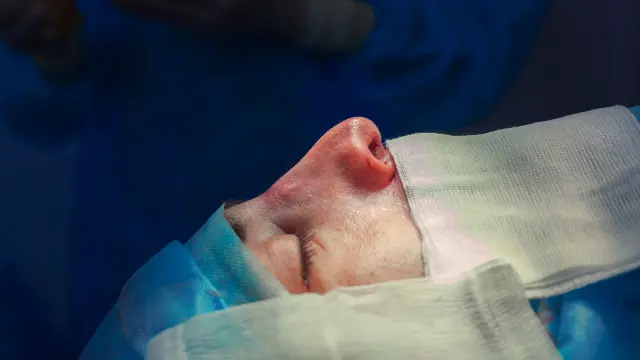
The itemized breakdown below is what separates Kowon's pricing transparency from the industry norm. In the United States, the quoted surgery fee is typically just the surgeon's fee. the operating room, post-operative medications, and follow-up visits are all billed separately often adding $3,000 to $6,000 to the stated price. At Kowon, the nose job Korea USD package includes all of these components in a single, all-inclusive figure.
Cost Item | Kowon Plastic Surgery (Seoul) | Typical USA Range |
|---|---|---|
Surgeon Fee | $3,500 to $6,500 | $8,000 to $18,000 |
Operating Room | Included | $1,000 to $2,500 separate |
Post-op Medications | Included | $200 to $500 separate |
Follow-up Visits (Seoul) | Included | $150 to $300 each separate |
Virtual Follow-up (USA) | Included | Not typically offered |
Total Surgery Package | $4,500 to $12,000 | $12,000 to $25,000 |
Payment at Kowon is accepted by credit card, and the clinic provides a USD equivalent estimate at the time of consultation based on current USD/KRW exchange rates. There are no hidden administrative fees. What you are quoted is what you pay.
Is the Rhinoplasty Korea Cost Worth It Compared to Los Angeles and New York?
The answer requires you to look at the total picture not just the surgery fee in isolation. Here is how the complete cost calculates out once you factor in travel and accommodation.
Flights from Los Angeles to Seoul run approximately $700 to $1,400 USD for economy class round-trip and $2,500 to $4,500 for business class. Flights from New York to Seoul run $900 to $1,600 USD economy or $3,000 to $5,500 business class. Patients traveling from Miami, Chicago, or Houston can expect to pay $900 to $1,800 USD for economy round-trips. Accommodation in Gangnam near Kowon Plastic Surgery runs $80 to $200 per night in well-located service apartments or hotels. A 12 to 14 night stay the typical recommended duration for primary rhinoplasty adds $960 to $2,800 in accommodation costs. Daily meals and local transport in Seoul typically run $50 to $100 per day, adding $600 to $1,400 for the full stay.
The total estimated investment for an American patient surgery plus flights plus accommodation plus daily expenses ranges from approximately $7,500 to $17,000 USD, compared to the $15,000 to $30,000 USD you would pay for an equivalent all-in procedure in Los Angeles or New York when USA surgery costs, post-operative medications, and multiple follow-up visits are all accounted for. Even if you upgrade to business class flights for comfort during the return journey after surgery, the total investment is typically 30 to 50 percent lower than the USA equivalent. For a full planning resource, see our complete guide to flying to Seoul for rhinoplasty.
City | Round-Trip Flight | Surgery (Kowon) | Accommodation (14 nights) | Total Estimate |
|---|---|---|---|---|
Los Angeles | $700 to $1,400 | $4,500 to $12,000 | $960 to $2,800 | $7,500 to $17,000 |
New York | $900 to $1,600 | $4,500 to $12,000 | $960 to $2,800 | $7,700 to $17,200 |
Miami | $900 to $1,800 | $4,500 to $12,000 | $960 to $2,800 | $7,800 to $17,400 |
Chicago | $900 to $1,800 | $4,500 to $12,000 | $960 to $2,800 | $7,800 to $17,400 |
Houston | $900 to $1,800 | $4,500 to $12,000 | $960 to $2,800 | $7,800 to $17,400 |
Is Rhinoplasty in Korea Safe? What American Patients Need to Know
Cost is the first question American patients ask. Safety is the second, and in many ways it is the more important one. This section addresses rhinoplasty safety in Korea with the clinical specificity and credential transparency that generic competitor articles fail to provide. For a comprehensive review, you can also visit our dedicated article on is rhinoplasty in Korea safe.
Dr. Kim Hyeong Taek's Credentials How to Verify Surgical Qualification
Dr. Kim Hyeong Taek holds full board certification from the Korean Board of Plastic and Reconstructive Surgery, the highest credentialing standard in the Korean surgical system. This certification requires rigorous examination, supervised clinical hours, and ongoing professional development to maintain it is not a self-declared credential. Dr. Kim is an active member of the Korean Society of Plastic and Reconstructive Surgeons and holds international surgical affiliations that recognize cross-border technique standards.
His career spans more than 20 years of specialized rhinoplasty practice, with a cumulative procedure volume estimated at more than 4,000 rhinoplasty surgeries. With 200 or more procedures performed annually, his surgical volume functions as a quality proxy: surgeons who perform this volume of a specific procedure develop an intraoperative fluency and anatomical familiarity that cannot be replicated by lower-volume practitioners. American patients can verify Korean surgeon credentials independently through the Korean Medical Association and through clinic registration records Kowon provides guidance on this verification process during the consultation phase. Dr. Kim is also a pioneer in autologous rhinoplasty techniques and has presented his clinical methodology at international surgical conferences, adding an academic dimension to his clinical authority. You can review Dr. Kim Hyeong Taek's full surgeon profile for comprehensive credential documentation.
Rhinoplasty Risks An Honest, Non-Alarmist Overview
Every surgical procedure carries inherent risks, and honest disclosure of those risks is itself a marker of a trustworthy surgeon. The most common post-operative experiences after rhinoplasty are swelling, bruising, and temporary numbness all of which are normal, expected, and resolve over the course of the healing period. These are not complications. They are the physiological response to surgery.
Less common risks include asymmetry, infection, and cartilage resorption. At Kowon, the risk of asymmetry is minimized through Dr. Kim's pre-surgical imaging and detailed facial proportion analysis, which form the basis of every surgical plan. Infection risk is managed through sterile surgical protocols and a structured post-operative medication regimen included in the standard package. Cartilage resorption, which is more associated with synthetic implants than with autologous cartilage, is one of the clinical reasons Dr. Kim favors rib cartilage in structural cases.
Rare risks include breathing complications and the need for revision surgery. These risks exist regardless of which country or surgeon performs your procedure, and discussing them openly as Dr. Kim does in every consultation is a sign of clinical integrity, not a reason for alarm. Kowon's complication management protocol includes defined escalation pathways for any post-operative concern, including direct 24/7 contact access during the Seoul recovery period.
What Happens If You Have a Concern After Returning to Los Angeles?
This is the question most rhinoplasty clinics in Seoul fail to answer adequately. What happens after the plane takes off and you are recovering at home in Los Angeles, New York, or Houston?
At Kowon Plastic Surgery, aftercare for international patients is a structured protocol, not an afterthought. Every surgical package includes virtual follow-up appointments via video call, scheduled at key intervals in the post-operative timeline. Direct WhatsApp access to Kowon's English-speaking patient care team is available throughout the recovery period. The team is trained to help patients distinguish between normal post-operative symptoms persistent mild swelling, minor sensitivity, gradual tip changes and the small number of scenarios that warrant clinical evaluation.
For patients who require in-person assessment after returning home, Kowon provides referral documentation that allows a local US physician to review the post-operative status with full context about the procedure performed. In most cases, post-operative concerns are entirely manageable through virtual consultation and do not require return travel to Seoul.
Rhinoplasty Recovery in Seoul Your Week-by-Week Timeline
One of the most practical gaps in competing rhinoplasty content is the absence of a realistic, day-by-day recovery breakdown. Most articles state "recovery takes one to two weeks" and leave it at that. What Rebecca actually needs to know is what Day 3 feels like, whether she can take a video call on Day 10, and when it is safe to board the flight home. This section answers all of those questions.
Days 1 to 3: Immediate Post-Surgery
Immediately after surgery, you will have a nasal splint in place and will notice swelling beginning to develop. Mild discomfort is normal and is manageable with the prescribed post-operative medication included in your Kowon package. The first 72 hours should be devoted entirely to rest do not attempt tourism, extensive walking, or any activity that raises your heart rate. You will attend a post-operative check-up at Kowon on Day 1 and Day 3, where the team will monitor your healing progress and address any questions.
Sleep position during this phase matters significantly. Keeping your head elevated at 30 to 45 degrees supported by extra pillows substantially reduces swelling accumulation overnight. Remote work or screen time is not advisable during Days 1 to 3. Patients who have tried to push through work during the immediate recovery phase consistently report that rest during this window produces faster and smoother overall healing.
Days 4 to 7: Early Recovery Phase
Swelling typically peaks between Day 3 and Day 5, then begins to gradually subside. Bruising is visible during this phase most patients describe the extent of bruising as "less than I expected," which reflects the precision of modern rhinoplasty technique. The nasal splint is typically removed at your Day 7 follow-up appointment at Kowon, which is also the moment when patients get their first meaningful preview of their result through the swelling.
Light remote work emails, reading, limited computer time becomes possible for most patients from around Day 5 onward. Video calls are not recommended during this phase due to visible swelling and bruising. Short, gentle walks within your accommodation neighborhood are acceptable from Day 4 or 5 and provide both physical and psychological benefit. Dietary guidance during this phase emphasizes soft foods and minimal salt intake, both of which help limit swelling accumulation. See our week-by-week rhinoplasty recovery guide for additional detail.
Days 8 to 14: Pre-Flight Recovery Window
By Day 10 to 12, the majority of patients feel comfortable enough to move around Seoul's Gangnam area and are no longer self-conscious about their appearance in public. Residual swelling is present but subtle at this stage noticeable primarily to the patient rather than to casual observers. Most American patients fly home between Day 10 and Day 14. The specific clearance date is determined by Dr. Kim at the pre-departure check-up, which confirms that you are medically safe to fly. From approximately Day 10, most patients can participate in video calls, though some visible swelling may still be apparent.
Long-Term Recovery When You See Final Results
Timeframe | Swelling Level | Bruising | Work Capability | Activities Allowed |
|---|---|---|---|---|
Day 1 to 3 | High | Moderate to High | None | Rest only |
Day 4 to 7 | Moderate | Moderate | Light, no video | Short walks |
Day 8 to 14 | Low to Moderate | Fading | Light to moderate | Normal daily activities |
Week 3 to 4 (home) | Mild | Resolved | Full return | Light exercise |
Month 1 to 3 | Minimal | None | Full | Most activities |
Month 6 to 12 | None | None | Full | All activities |
Approximately 70 percent of rhinoplasty swelling resolves within the first month. At the one-month mark, the improvement is clearly visible and patients typically feel comfortable in their social environment. At three months, the majority of the final result has emerged. At six months, refinement is nearly complete. Final results particularly tip definition, which requires the longest healing period due to the thickness of tip skin are fully visible between nine and twelve months post-surgery.
Autologous cartilage rhinoplasty may involve a slightly longer initial swelling period than implant-based approaches, but the long-term structural stability and natural tissue behavior of the cartilage produce superior results at the 12-month mark and beyond.
Rhinoplasty Results at Kowon Plastic Surgery What American Patients Actually Achieve
The deepest concern for most American patients considering rhinoplasty is not the price, and it is not even the recovery. It is the result. Specifically: will it look natural? Will people know? Will I look like myself, just better or will I look like I had surgery?
Natural-Looking Results Dr. Kim's Surgical Philosophy
The core principle at Kowon Plastic Surgery is what Dr. Kim describes as "natural harmony, not artificial transformation." This is not a tagline. It is a surgical discipline that begins in the consultation room, where the pre-operative analysis establishes the facial proportions the relationship between the nose, the eyes, the chin, the brow line, and the overall facial geometry that will guide every decision made in the operating room.
Korean rhinoplasty technique, particularly as practiced by Dr. Kim, is specifically suited to producing subtle, ethnically harmonious results on Western patients. The surgical philosophy has evolved away from the dramatically altered, clearly operated looks that characterized a previous era of aesthetic surgery, toward results that integrate invisibly into the patient's face. What "natural-looking results" means clinically is specific: no visible external scarring in the nasal area, no artificially elevated bridge that reads as implanted, natural tip movement that responds to expression as a native nose would, and proportional balance that makes the face look better without announcing a surgical cause.
What Dorsal Hump Reduction Results Look Like
For patients whose primary concern is a dorsal hump the visible bump on the nasal bridge in profile view the results of dorsal hump reduction Korea at Kowon follow a consistent and well-documented pattern. Immediately post-surgery, significant swelling obscures the result. By Day 10 to 14, the profile improvement is visible through the swelling. By one month, the smoother bridge line is clearly evident. By three months, the facial harmony improvement is appreciated by the patient in photographs. By six months, the result is nearly complete. By twelve months, the final outcome is fully visible: a smoother nasal bridge that creates genuine facial balance without making the nose look smaller, pinched, or surgically altered.
The outcome that patients most frequently describe and the one that matters most to many of them is captured in the phrase "nobody can tell exactly what changed, they just know I look better." The self-consciousness elimination factor is real: patients report that the behavior of avoiding profile photos, certain angles, or specific lighting conditions simply stops being an issue after full healing. You can view the complete rhinoplasty before and after gallery on the Kowon website for visual documentation of dorsal hump reduction and other procedure outcomes.
How Long Do Rhinoplasty Results Last?
Rhinoplasty results are considered permanent. The structural changes to bone and cartilage made during surgery are lasting. Natural aging continues the nose ages as part of the face but the surgical refinement is maintained throughout the patient's life. The profile improvement from dorsal hump reduction, the tip definition achieved through cartilage sculpting, and the proportional harmony created through customized surgical planning do not reverse over time.
Autologous costal cartilage delivers particularly superior long-term stability compared to synthetic implants. There is no risk of the cartilage shifting, migrating, or encapsulating. No risk of the long-term skin thinning that synthetic implants can produce. The cartilage integrates permanently into the nasal structure and maintains its shape and position as documented in rhinoplasty outcomes followed at five or more years post-surgery at Kowon.
Why Choose Kowon Plastic Surgery for Rhinoplasty
When you are evaluating two to five Seoul clinics and trying to determine which one offers genuine differentiation, the following is the structured case for Kowon Plastic Surgery not based on marketing claims, but on verifiable clinical and logistical facts.
Dr. Kim Hyeong Taek's Expertise and Experience
Dr. Kim Hyeong Taek brings more than 20 years of specialized rhinoplasty practice to every consultation. His career procedure volume is estimated at more than 4,000 rhinoplasty surgeries. His current annual output of more than 200 rhinoplasty procedures per year places him among the highest-volume specialists in South Korea. He holds full board certification from the Korean Board of Plastic and Reconstructive Surgery and active membership in the Korean Society of Plastic and Reconstructive Surgeons, with additional affiliations with Korean Rhinoplasty Society bodies and international surgical organizations.
Dr. Kim is a pioneer in Korean autologous costal cartilage rhinoplasty techniques one of the first Korean surgeons to develop and systematize rib cartilage-based structural rhinoplasty protocols for both primary and revision cases. His clinical contributions include research publications and presentations at international surgical conferences, establishing him as both a practitioner and a contributor to the field. His international training background, spanning multiple countries and surgical traditions, means he brings genuine cross-cultural anatomical expertise to Western patient cases. For full credential documentation and surgical background, visit Dr. Kim Hyeong Taek's full surgeon profile.
Customized Surgical Planning Kowon's Core Difference
At many rhinoplasty clinics in Seoul, "customized planning" means selecting between three or four standard procedural templates based on the patient's primary concern. At Kowon, it means something clinically different. Every consultation begins with a facial proportion assessment mapping the nose in precise relationship to the eyes, brow, chin, and cheekbones. Skin thickness and elasticity are evaluated because they directly affect how the tip will heal and what level of definition is achievable. Cartilage quality is assessed to determine what materials and techniques are appropriate. Digital imaging may be used to give patients a simulated preview of outcomes before they commit to surgery.
For American patients, this approach matters in a specific way: Western facial anatomy differs from Korean facial anatomy in ways that demand surgical adaptability. Dorsal height, tip projection, and alar width ratios differ meaningfully across ethnicities. A surgeon who has treated patients of diverse backgrounds and who does not default to a single aesthetic template will produce results that are genuinely harmonious with your specific face, not results that reflect a different cultural aesthetic standard.
International Patient Support at Kowon Plastic Surgery
Dr. Kim Hyeong Taek communicates directly in English no interpreter required at any stage of the consultation or care process. An English-speaking patient coordinator supports every international patient from the first inquiry through post-return follow-up, managing consultation logistics, accommodation guidance, and airport transfer coordination. Virtual consultations are available via Zoom or WhatsApp for pre-surgery planning from anywhere in the United States. WhatsApp direct access continues throughout the Seoul recovery period and the post-return healing phase. A 24-hour contact is available during the Seoul stay for any urgent concerns.
How to Book Your Rhinoplasty at Kowon Plastic Surgery

The booking process at Kowon is designed to remove every friction point that typically makes international surgery feel complicated. You can complete the entire pre-booking journey from the United States, in English, with no intermediaries.
Step 1 Schedule Your Free Virtual Consultation
Your first step is a free video consultation available via Zoom or Google Meet. This session covers your nasal concerns in detail, your relevant medical history, your desired outcome, Dr. Kim's technique recommendation with clinical rationale, and a preliminary cost estimate in USD. To book, reach out via WhatsApp, email, or the website inquiry form. Response time from Kowon is typically within 12 to 24 hours. When submitting your inquiry, including clear photos from the front, both profiles, the three-quarter angle, and the base view will allow Dr. Kim to conduct the most meaningful initial assessment possible.
Step 2 — Receive Your Personalized Treatment Plan
After your consultation, Kowon prepares a written personalized treatment plan within five to seven business days. This document includes your recommended procedure with clinical rationale, an itemized cost estimate in USD, the suggested Seoul stay duration based on your specific procedure, and pre-surgery preparation instructions. You review the plan, ask any remaining questions via WhatsApp or email, and confirm your booking when you are ready. Your surgery date is reserved upon receipt of a deposit.
Contact Kowon Plastic Surgery
📞 Phone: +822-6242-7080
💬 WhatsApp: Click Here
📧 Email: info@kowonplasticsurgery.com
🌐 Website: https://www.kowonplasticsurgery.com
📍 Location: Gangnam District, Seoul, South Korea
🕐 Hours: From Monday 9:30am - 7:00pm Tuesday 9:30am - 7:00pm Wednesday 9:30am - 7:00pm Thursday 9:30am - 7:00pm Friday 9:30am - 7:00pm Saturday 9:30am - 7:00pm Sunday Closed
Frequently Asked Questions
1. How Much Does Rhinoplasty in Korea Cost Compared to Los Angeles and New York in 2026?
The rhinoplasty Korea cost at Kowon Plastic Surgery ranges from $4,500 to $12,000 USD all-inclusive depending on procedure complexity, compared to $12,000 to $25,000 for an equivalent procedure in Los Angeles or New York when surgeon fee, operating room, and follow-ups are all factored in. The nose job Korea USD package at Kowon includes the operating room, medications, and virtual follow-up, which are all billed separately in the United States.
2. What Is Included in the Rhinoplasty Price at Kowon Plastic Surgery?
The rhinoplasty Korea price at Kowon is all-inclusive. The package covers the surgeon fee, operating room, post-operative medications, all Seoul-based follow-up visits, and virtual follow-up appointments after you return home to the United States. This stands in contrast to the itemized billing model standard in the USA, where each component is invoiced separately.
3. Are There Hidden Fees I Should Know About Before Booking?
There are no hidden administrative fees in the rhinoplasty Korea cost at Kowon. The figure you receive in your personalized treatment plan after consultation is the total cost of your surgical care. Payment is accepted by credit card. The USD equivalent is based on current exchange rates and is provided clearly at the time of consultation. If how much rhinoplasty Seoul actually costs end-to-end is your concern, what you receive from Kowon is transparent and complete.
4. How Long Do I Need to Stay in Seoul After Rhinoplasty?
Most American patients undergoing primary rhinoplasty in Korea at Kowon plan a 12 to 14 night Seoul stay. The minimum recommended stay for primary rhinoplasty is 10 nights, allowing time for the Day 1, Day 3, and Day 7 follow-up appointments, splint removal, and Dr. Kim's pre-departure clearance check. Autologous cartilage or revision cases may require 14 to 18 nights in Seoul. Dr. Kim provides an individual recommended stay duration as part of your personalized treatment plan.
5. Can I Work Remotely During My Recovery in Seoul?
Light remote work emails and reading is possible for most patients from around Day 5 of rhinoplasty recovery Seoul. Video calls become feasible from approximately Day 10 for most patients. Days 1 to 3 should be reserved entirely for rest. Patients who attempt to work during the immediate post-surgical phase consistently experience slower swelling resolution. If remote work compatibility is a scheduling priority, building two full rest days at the start of your Seoul stay around your surgery date is the optimal approach.
6. When Will I See My Final Rhinoplasty Results?
For patients looking at rhinoplasty before and after Korea outcomes, the honest answer is that the nose visible at two weeks is a preview, not the final result. Approximately 70 percent of swelling resolves within the first month. The natural rhinoplasty results at Kowon are typically fully visible between nine and twelve months post-surgery. Tip refinement, in particular, requires the longest timeline due to tip skin thickness. At three months, most patients appreciate the meaningful improvement; at twelve months, the result is complete.
7. Is Rhinoplasty in Korea Safe for American Patients?
Yes. Rhinoplasty safety Korea is grounded in the same clinical standards that govern high-quality surgical practice anywhere board-certified surgeon credentials, sterile surgical protocols, pre-operative assessment, and structured post-operative care. Dr. Kim Hyeong Taek holds full board certification from the Korean Board of Plastic and Reconstructive Surgery, 20 plus years of specialized practice, and a career volume of more than 4,000 procedures. Kowon's international patient support protocol includes 24-hour contact availability during the Seoul stay and virtual follow-up after return to the United States.
8. What Happens If I Have a Complication After I Return to Los Angeles?
Every Kowon rhinoplasty Korea aftercare package includes structured virtual follow-up appointments via video call and direct WhatsApp access to the English-speaking patient care team. If a concern arises after you return home, the Kowon team will assess the situation remotely, guide you through distinguishing normal healing from genuine complication, and if in-person assessment is required provide referral documentation for a local US physician. Most post-return concerns are resolvable remotely. The Kowon Plastic Surgery aftercare system is designed specifically with USA-based patients' post-return situation in mind.
9. What Is Autologous Costal Cartilage Rhinoplasty and Why Is It Better?
Autologous costal cartilage rhinoplasty uses the patient's own rib cartilage rather than a synthetic implant as the structural material for nasal reconstruction. For Korean rhinoplasty cases requiring significant structural work, autologous cartilage delivers zero rejection risk, permanent biocompatible integration, natural tissue movement, and superior long-term stability. Synthetic implants carry documented long-term risks including migration, capsular contracture, and skin thinning that autologous cartilage does not. Dr. Kim Hyeong Taek is a pioneer in this technique for both primary and revision cases.
10. Does Dr. Kim Hyeong Taek Speak English Directly?
Yes. Dr. Kim Hyeong Taek communicates directly with patients in English throughout the consultation and care process no interpreter is required. This direct communication is a meaningful clinical advantage: it means that your questions, concerns, and goals are conveyed and received without the information loss that can occur through translation. Kowon also maintains an English-speaking patient coordinator team available via WhatsApp throughout the patient journey.
Conclusion
Rhinoplasty Korea cost in 2026 represents genuine value not a compromise with primary procedures ranging from $4,500 to $8,000 USD all-inclusive at Kowon Plastic Surgery, compared to $12,000 to $25,000 for equivalent procedures in Los Angeles or New York. Even when you factor in round-trip flights and two weeks of Gangnam accommodation, the total investment remains typically 30 to 50 percent lower than the all-in USA equivalent. Dr. Kim Hyeong Taek's 20 plus years of experience, more than 4,000 career procedures, and pioneer autologous cartilage techniques deliver natural-looking, structurally precise results that last. The comprehensive aftercare protocol structured virtual follow-ups, WhatsApp direct access, and full English-language support means you are never navigating recovery alone once you return home.
Thousands of American patients have made this decision researched thoroughly, asked every question, and returned home from Seoul with results that exceeded their expectations. You are not taking a risk; you are making an informed, evidence-based choice backed by one of the world's most experienced rhinoplasty specialists.
If you are ready to take the next step, your free virtual consultation with Dr. Kim Hyeong Taek is available via video call with no commitment required. Contact Kowon Plastic Surgery today via WhatsApp or email to begin your personalized consultation and discover exactly what your rhinoplasty Korea cost and treatment plan would look like for your specific anatomy and goals.
About the Author
Dr. Kim Hyeong Taek Board-Certified Plastic Surgeon
Director and Lead Surgeon, Kowon Plastic Surgery, Seoul, South Korea. Dr. Kim Hyeong Taek holds board certification from the Korean Board of Plastic and Reconstructive Surgery and has specialized exclusively in rhinoplasty for more than 20 years. He has performed more than 4,000 rhinoplasty procedures across his career, with over 200 procedures annually. He is a member of the Korean Society of Plastic and Reconstructive Surgeons and a pioneer of Korean autologous costal cartilage rhinoplasty techniques. His international training spans multiple countries, and he communicates directly with patients in English.
For consultations: +822-6242-7080 | info@kowonplasticsurgery.com | WhatsApp
Medical Information
Read this article as general guidance.
- This article is provided for general education. It does not replace an in-person examination by a qualified surgeon.
- Results vary between patients. Rhinoplasty can involve bleeding, infection, scarring, asymmetry, breathing changes, graft or implant problems and the possibility of revision surgery.
- Computer simulations and before-and-after photographs cannot guarantee an individual outcome.
- Any prices or timelines mentioned are general. Request an individualised, itemised written quotation and a procedure-specific recovery schedule before paying a deposit or booking travel.
Published by
Kowon Plastic Surgery
A rhinoplasty-focused clinic in Gangnam, Seoul, led by Dr. Kim Hyeongtaek and registered with Medical Korea to treat international patients.
Consultation
Questions about this topic? Ask Dr. Kim directly.
2F, 110 Dosan-daero, Gangnam-gu, Seoul 06038. Send clear photographs, your main concerns and any previous surgery history, and Dr. Kim Hyeongtaek will review what can be assessed before you travel.
International Patient Desk — Gangnam
Kowon Plastic Surgery
Director Dr. Kim Hyeongtaek
Single-surgeon rhinoplasty and autologous cartilage center in Seoul. Delivering meticulous, individual surgical architecture for primary and complex revision procedures.
Practice & Inquiries
Gangnam Clinic
2F, 110 Dosan-daero, Gangnam District, Seoul 06038, South Korea
Consultation Hours (KST)
Mon – Fri: 10:00 – 19:00
Sat: 10:00 – 16:00 · Sun & Holidays Closed
Direct Communication Channels
Telephone: +822-6242-7080WhatsApp: +1-206-809-1367LINE Official: @967xxmreWeChat Consultation Service© 2025 Kowon Plastic Surgery. All rights reserved.
Registered Medical Institution for Foreign Patient Facilitation (Medical Korea). Surgical consultation and procedure terms subject to Korean Ministry of Health and Welfare guidelines.