
Patient Education
Rhinoplasty for Protruding Nose: Procedure & Recovery
Discover how rhinoplasty can correct a protruding nose, improve facial balance, and enhance breathing. Learn about techniques, recovery, and outcomes.
Article
Published by Kowon Plastic Surgery, Gangnam, Seoul
Understanding the Challenge of a Protruding Nose

A nose that noticeably projects outward can subtly shift how your facial features interact. While beauty is diverse, a nose that appears disproportionate to the eyes, lips, or chin can create visual imbalance. This concern is particularly common among individuals of various ethnic backgrounds, where nasal structure may be naturally more prominent.
In some cases, a protruding nose isn’t just a cosmetic issue. Anatomical deviations such as an elongated septum, overgrown cartilage, or high nasal dorsum can also contribute to functional impairments, such as restricted airflow. Individuals may experience noisy breathing, snoring, or chronic nasal congestion due to internal obstructions.
Rhinoplasty—often associated with cosmetic enhancement—can also serve a functional role. This surgery can reshape a prominent nose, improve breathing, and contribute to a more proportional profile. But success hinges on surgical nuance, personalization, and anatomical understanding.
Why Patients Choose Rhinoplasty for Protrusion Correction
Patients commonly seek rhinoplasty to reduce nasal projection, particularly when the bridge or tip appears exaggerated. The psychological impact of living with a nose that draws undue attention can affect self-esteem and social interactions. For many, especially those whose concerns date back to adolescence, correcting the nose is about reclaiming confidence and restoring harmony.
According to the American Society of Plastic Surgeons, thousands of people undergo this procedure annually for both cosmetic refinement and medical correction. It's not merely a quest for beauty but a step toward aligning one's appearance with their self-image.
Dr. Kim Hyung Taek, a board-certified plastic surgeon at Kowon Plastic Surgery in Seoul, emphasizes that, "Every face has a unique geometry. The goal isn't a smaller nose—it's a nose that looks like it belongs."
This philosophy underscores the importance of individualized treatment. While some may require subtle contouring of the nasal tip, others might need extensive structural reshaping using cartilage grafts.
Techniques Used to Refine a Prominent Nose
There are several surgical approaches to addressing a protruding nose. The selection depends on nasal anatomy, skin thickness, ethnic considerations, and the patient’s expectations:
Open Rhinoplasty: Recommended for more complex reshaping. Involves an incision across the columella (the strip of tissue between the nostrils), giving the surgeon full access to nasal structures. This technique is particularly effective in revision surgeries and in cases requiring significant structural modifications.
Closed Rhinoplasty: Suitable for less complex cases. All incisions are made inside the nostrils, reducing visible scarring and often speeding recovery. Though less invasive, it requires exceptional skill to achieve symmetrical results through limited access.
Autologous Rib Cartilage Grafting: Dr. Kim frequently employs this method. Harvesting the patient’s own rib cartilage allows for robust structural support and reduces risks associated with implants. Rib cartilage is ideal for rebuilding and supporting the nasal tip, especially in patients with previous surgeries or weak native cartilage.
Non-Surgical Options: Dermal fillers can sometimes camouflage minor nasal imbalances, though results are temporary and not suited for significant protrusion. Non-surgical rhinoplasty is best for patients unwilling or unable to undergo surgery, but it cannot address structural or functional issues.
Each technique comes with its own considerations. During the consultation, Dr. Kim guides patients through the options, balancing their desired changes with anatomical feasibility.
A Walkthrough of the Rhinoplasty Process
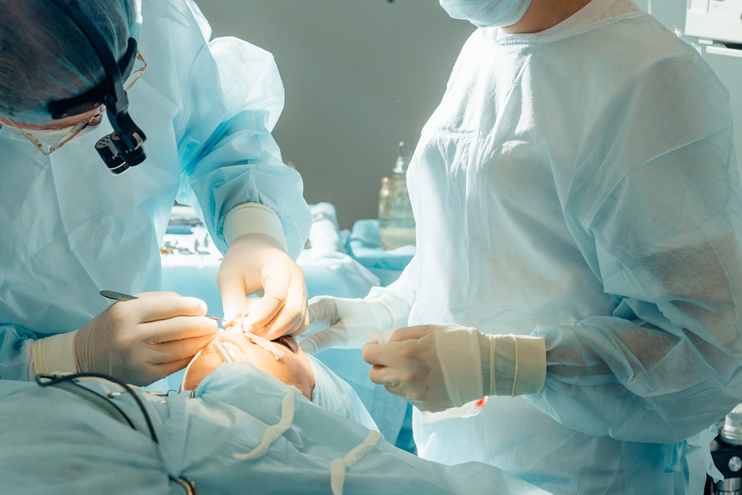
At Kowon Plastic Surgery, patients begin with a 3D facial analysis and consultation. This advanced imaging provides a comprehensive view of the nose's dimensions and its relationship with other facial features. It also helps simulate potential outcomes, offering a visual reference for the surgical plan.
Dr. Kim evaluates nasal anatomy in relation to facial dimensions and discusses goals candidly. He ensures patients understand what can realistically be achieved and aligns surgical expectations with facial harmony principles.
Surgery is typically performed using advanced surgical techniques. Structural changes may involve:
Reducing cartilage or bone height along the bridge (dorsal hump)
Deprojecting an overextended nasal tip
Reshaping alar cartilages for better definition
Adjusting the septum to improve airflow and alignment
These adjustments may require grafts to reinforce the nose and prevent collapse over time. Rib cartilage is meticulously shaped to support these refinements, ensuring a stable long-term result.
Recovery includes an external nasal splint, swelling management, and follow-up visits. Most patients return to non-strenuous activities within 10 days, though full healing continues for months.
Recovery Insights and Patient Expectations
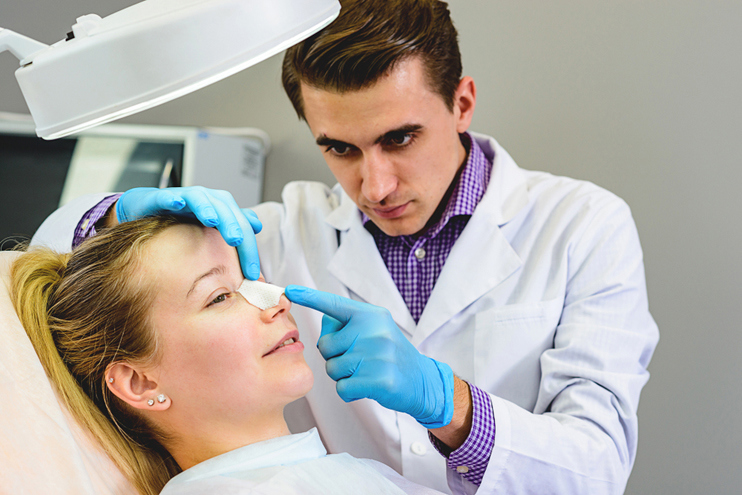
Initial swelling and bruising are common and subside significantly within the first two weeks. Dr. Kim advises patients to avoid high-impact activities for at least a month and to expect final results over the course of a year. It's common for the nasal tip to remain slightly swollen for several months, especially in patients with thicker skin.
Kowon Plastic Surgery provides a detailed recovery roadmap, including instructions on cold compresses, nasal irrigation, and avoiding certain medications that can thin the blood. Proper post-op care ensures the best possible healing and final appearance.
Patients often report not only aesthetic satisfaction but also improved breathing. "I used to avoid side-profile photos," shares one patient. "Now, I feel more comfortable being seen from any angle."
Risks and Considerations
All surgeries carry risks, including:
Infection
Breathing changes
Scarring (especially with open technique)
Numbness or altered skin sensation
Asymmetry or dissatisfaction with results
Need for revision surgery
Choosing an experienced surgeon significantly minimizes these risks. Dr. Kim’s extensive background in reconstructive and cosmetic nasal surgery, particularly with autologous cartilage use, provides added reassurance.
Informed consent is vital. Patients are encouraged to ask questions, review before-and-after cases, and consider second opinions when needed. Transparency fosters trust and realistic expectations.
The Long-Term Value of Rhinoplasty
While cosmetic results matter, the deeper impact of rhinoplasty often lies in renewed confidence and facial harmony. A well-executed procedure can improve both appearance and nasal function, delivering benefits that extend beyond the mirror.
Rhinoplasty often acts as a turning point for patients—improving social confidence, enhancing self-image, and even altering posture due to increased self-assurance. For many, it’s a lifelong investment in well-being.
What Sets Kowon Plastic Surgery Apart?
Expertise: Dr. Kim brings nearly two decades of rhinoplasty experience. He is internationally recognized for his contributions to rib cartilage techniques and has trained surgeons from across Asia and Europe.
Customization: Each nose is reshaped to fit the individual’s overall facial structure. Dr. Kim avoids one-size-fits-all outcomes by designing procedures around facial geometry, gender, and ethnicity.
Advanced Methods: Rib cartilage grafting ensures longevity and safety. It allows for a durable framework, especially important in revision cases or patients with compromised nasal anatomy.
Patient Testimonials: Many share positive experiences, often citing natural results and attentive care. Testimonials highlight Dr. Kim's bedside manner, surgical skill, and the supportive clinical team.
International Accessibility: Kowon offers virtual consultations, multilingual staff, and post-op care planning for patients traveling from abroad.
Preparing for Rhinoplasty at Kowon
Ahead of surgery, patients undergo a health screening and receive detailed guidance:
Avoid smoking and certain medications (e.g., aspirin, ibuprofen) to reduce bleeding risk
Plan for at least a week of downtime and minimal sun exposure
Arrange support for post-operative days, including transportation and meals
Maintain realistic expectations about appearance changes and healing
Dr. Kim often reminds patients, "Rhinoplasty isn't about chasing perfection. It's about creating balance that feels authentic to you."
By following preoperative guidelines and maintaining open communication with the surgical team, patients set the foundation for a successful transformation.
Medical Information
Read this article as general guidance.
- This article is provided for general education. It does not replace an in-person examination by a qualified surgeon.
- Results vary between patients. Rhinoplasty can involve bleeding, infection, scarring, asymmetry, breathing changes, graft or implant problems and the possibility of revision surgery.
- Computer simulations and before-and-after photographs cannot guarantee an individual outcome.
- Any prices or timelines mentioned are general. Request an individualised, itemised written quotation and a procedure-specific recovery schedule before paying a deposit or booking travel.
Published by
Kowon Plastic Surgery
A rhinoplasty-focused clinic in Gangnam, Seoul, led by Dr. Kim Hyeongtaek and registered with Medical Korea to treat international patients.
Consultation
Questions about this topic? Ask Dr. Kim directly.
2F, 110 Dosan-daero, Gangnam-gu, Seoul 06038. Send clear photographs, your main concerns and any previous surgery history, and Dr. Kim Hyeongtaek will review what can be assessed before you travel.
International Patient Desk — Gangnam
Kowon Plastic Surgery
Director Dr. Kim Hyeongtaek
Single-surgeon rhinoplasty and autologous cartilage center in Seoul. Delivering meticulous, individual surgical architecture for primary and complex revision procedures.
Practice & Inquiries
Gangnam Clinic
2F, 110 Dosan-daero, Gangnam District, Seoul 06038, South Korea
Consultation Hours (KST)
Mon – Fri: 10:00 – 19:00
Sat: 10:00 – 16:00 · Sun & Holidays Closed
Direct Communication Channels
Telephone: +822-6242-7080WhatsApp: +1-206-809-1367LINE Official: @967xxmreWeChat Consultation Service© 2025 Kowon Plastic Surgery. All rights reserved.
Registered Medical Institution for Foreign Patient Facilitation (Medical Korea). Surgical consultation and procedure terms subject to Korean Ministry of Health and Welfare guidelines.