
Patient Education
Revision Rhinoplasty: When & Why to Consider a Second Surgery
Discover expert advice on revision rhinoplasty from Dr. Kim Hyung Taek. Learn when a second nose job is right for you and what to expect.
Article
Published by Kowon Plastic Surgery, Gangnam, Seoul
Redefining Revision Rhinoplasty: More Than Just a “Fix”
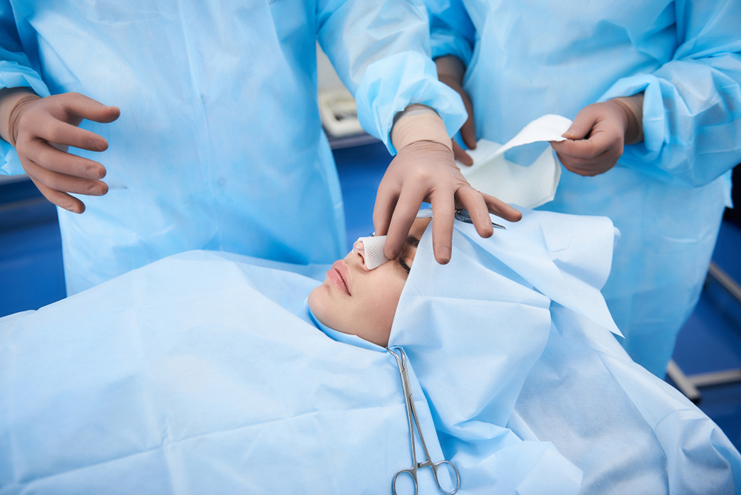
Revision rhinoplasty—often referred to as secondary rhinoplasty—is not merely a corrective procedure for aesthetic dissatisfaction. It represents a complex surgical endeavor aimed at restoring both the form and function of the nose after an initial surgery fails to meet expectations. Whether due to cosmetic imbalances, functional impairments, or healing complications, the decision to undergo revision surgery should be grounded in clear clinical indicators and guided by professional expertise.
At Kowon Plastic Surgery in Seoul, board-certified facial plastic surgeon Dr. Kim Hyung Taek brings nearly two decades of experience to each case. Dr. Kim emphasizes, “Revision rhinoplasty is as much about rebuilding confidence as it is about restructuring cartilage and skin. Each nose tells a story—our job is to help rewrite it successfully.”
Why Patients Seek a Revision: Real Reasons, Real Solutions
Not all rhinoplasties yield the desired outcome. Patients may seek revision surgery for various reasons, including:
Persistent asymmetry or distortion: Post-operative noses that appear crooked, pinched, or out of proportion.
Breathing difficulties: Often resulting from over-resected tissue or collapsed nasal valves.
Nasal tip concerns: Overly rotated or drooping tips that create an unnatural profile.
Visible irregularities or scarring: Including indentations, bumps, or scar contractures.
Post-surgical complications: Rare issues like tissue loss or infection necessitating surgical repair.
One of Dr. Kim’s patients, a 34-year-old woman, presented with a visible dorsal hump and restricted airflow following her primary surgery. “She felt self-conscious every time she looked in the mirror,” recalls Dr. Kim. “Six months after her revision, not only could she breathe better, but she said she finally recognized herself again.”
Are You a Candidate for Revision Rhinoplasty?
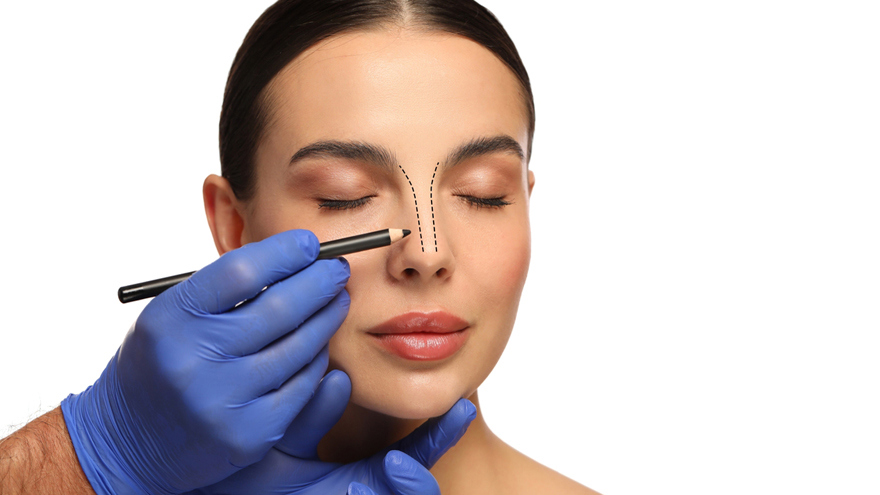
It's natural to experience dissatisfaction immediately after surgery, but swelling and tissue remodeling take time. Consider revision surgery if:
Aesthetic concerns persist: Asymmetry, visible bumps, or a nose that doesn't align with your desired outcome.
Functional issues remain: Difficulty breathing through the nose, persistent congestion, or snoring.
Nasal tip appears unnatural: Overly upturned, bulbous, or disproportionate tips.
Visible scarring or discoloration: Thickened skin or unnatural texture post-rhinoplasty.
Extended healing process: If after 12–18 months, unsatisfactory results or complications persist.
Dr. Kim advises, “We don’t chase perfection; we restore harmony—both aesthetically and functionally.”
Why Timing Matters: Don’t Rush Your Second Surgery
Patience is paramount. The nose continues to heal and evolve for over a year post-surgery. Operating too early can increase the risk of complications.
The ideal window for revision rhinoplasty is 12 to 18 months after the initial procedure. By this time, most swelling has subsided, and the nasal contours have stabilized. In rare cases involving functional issues like breathing obstruction, earlier intervention may be warranted but only after thorough assessment.
The Art and Science of a Second Chance: Trust the Right Surgeon
Revision rhinoplasty is not merely a redo; it's a reconstruction. Scar tissue, altered anatomy, and weakened cartilage require refined surgical strategies.
What sets revision specialists apart?
Deep anatomical understanding: Navigating scarred or depleted tissue is significantly more challenging than primary cases.
Advanced techniques: Dr. Kim often employs rib cartilage grafts or septal reconstruction to rebuild structural integrity.
Tailored planning: Every nose is unique. Revision requires individualized blueprints, not generic templates.
Dr. Kim explains, “In revision surgery, there’s no one-size-fits-all. What matters most is experience, precision, and clear communication with the patient.”
What Recovery Really Looks Like After Revision Rhinoplasty

Expect a longer healing process compared to your first surgery. The nasal structures are more fragile, necessitating extended recovery time.
Typical healing timeline:
Week 1: Bruising and swelling peak; nasal splints are removed around day 7.
Month 1–3: External swelling gradually reduces; breathing improves.
Month 6–12: The nose refines into its final shape; subtle changes may still occur.
Dr. Kim’s top recovery tips:
Sleep with your head elevated to reduce swelling.
Avoid contact sports and wearing glasses for at least 3 months.
Attend all follow-up appointments to monitor healing progress.
How Kowon Plastic Surgery Delivers Real, Transformative Results
With over 7,000 rhinoplasty procedures performed, Dr. Kim Hyung Taek has developed a reputation for addressing even the most complex revision cases. His approach combines scientific rigor, surgical artistry, and unwavering empathy.
Why patients trust Kowon:
19+ years of rhinoplasty experience.
Cutting-edge grafting techniques (e.g., autologous rib cartilage).
Custom 3D planning for realistic outcome previews.
Comprehensive care for local and international patients.
Patients from across the globe have entrusted Dr. Kim with their facial transformations, from Hollywood actors to K-pop hopefuls.
Before & After Stories: Life After Revision
Case 1: Asymmetry and Blocked Breathing
A male patient in his 40s struggled with post-surgical deviation and internal valve collapse. After revision with septal reconstruction, his breathing normalized, and his profile became smoother and more balanced.
Case 2: Nasal Tip Collapse
A 27-year-old woman was left with a flattened tip after her first surgery. Dr. Kim restored projection using auricular cartilage, producing a result that was both elegant and stable.
These cases exemplify the transformative potential of revision rhinoplasty when performed by a skilled surgeon.
Final Thoughts: Is It Time to Reclaim Your Confidence?
Revision rhinoplasty isn't about regret; it's about resolution. With the right timing, realistic expectations, and a skilled surgeon, a disappointing first surgery doesn't have to be your final outcome.
If your nose feels "unfinished," Dr. Kim Hyung Taek and the team at Kowon Plastic Surgery are ready to guide you toward results that align with your goals—helping you breathe easy, inside and out.
Medical Information
Read this article as general guidance.
- This article is provided for general education. It does not replace an in-person examination by a qualified surgeon.
- Results vary between patients. Rhinoplasty can involve bleeding, infection, scarring, asymmetry, breathing changes, graft or implant problems and the possibility of revision surgery.
- Computer simulations and before-and-after photographs cannot guarantee an individual outcome.
- Any prices or timelines mentioned are general. Request an individualised, itemised written quotation and a procedure-specific recovery schedule before paying a deposit or booking travel.
Published by
Kowon Plastic Surgery
A rhinoplasty-focused clinic in Gangnam, Seoul, led by Dr. Kim Hyeongtaek and registered with Medical Korea to treat international patients.
Consultation
Questions about this topic? Ask Dr. Kim directly.
2F, 110 Dosan-daero, Gangnam-gu, Seoul 06038. Send clear photographs, your main concerns and any previous surgery history, and Dr. Kim Hyeongtaek will review what can be assessed before you travel.
International Patient Desk — Gangnam
Kowon Plastic Surgery
Director Dr. Kim Hyeongtaek
Single-surgeon rhinoplasty and autologous cartilage center in Seoul. Delivering meticulous, individual surgical architecture for primary and complex revision procedures.
Practice & Inquiries
Gangnam Clinic
2F, 110 Dosan-daero, Gangnam District, Seoul 06038, South Korea
Consultation Hours (KST)
Mon – Fri: 10:00 – 19:00
Sat: 10:00 – 16:00 · Sun & Holidays Closed
Direct Communication Channels
Telephone: +822-6242-7080WhatsApp: +1-206-809-1367LINE Official: @967xxmreWeChat Consultation Service© 2025 Kowon Plastic Surgery. All rights reserved.
Registered Medical Institution for Foreign Patient Facilitation (Medical Korea). Surgical consultation and procedure terms subject to Korean Ministry of Health and Welfare guidelines.