
Patient Education
Revision Rhinoplasty in Seoul | Dr. Kim Hyung Taek at Kowon PS
Explore expert revision rhinoplasty by Dr. Kim at Kowon Plastic Surgery in Seoul. Restore nasal function & appearance with a tailored, trusted approach.
Article
Published by Kowon Plastic Surgery, Gangnam, Seoul
Understanding Revision Rhinoplasty: When Art Meets Expertise
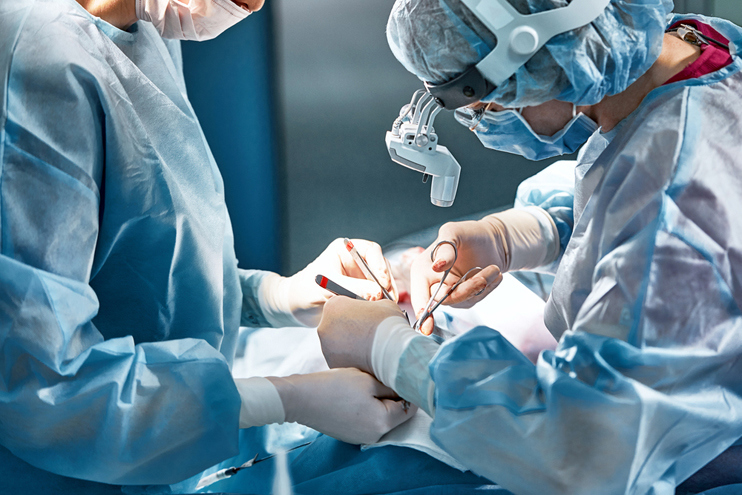
Revision rhinoplasty is a highly specialized form of nasal surgery performed to address the outcomes of a previous rhinoplasty. While primary rhinoplasty is often a first-time aesthetic or functional enhancement, revision procedures must navigate the complexities introduced by previous surgical alterations—scar tissue, weakened cartilage, or asymmetry.
These procedures demand a precise combination of technical expertise, artistic vision, and individualized care. According to Dr. Kim Hyung Taek, founder of Kowon Plastic Surgery and a leading expert in complex nasal reconstruction, "Every revision case tells a story. Our role is to listen carefully and design a surgical plan that restores both appearance and function, tailored to each individual."
Why Patients Seek Revision Rhinoplasty
Patients come to Kowon Plastic Surgery for revision rhinoplasty for a range of reasons:
Aesthetic dissatisfaction: This is the most common motivator. Issues may include asymmetrical nostrils, a bulbous tip, an over-reduced nasal bridge, or a nose that simply doesn't suit the patient's facial proportions.
Breathing problems: Primary rhinoplasty may inadvertently affect the internal nasal valves or septum, leading to restricted airflow or chronic nasal obstruction.
Complications from previous surgery: Scar tissue formation, cartilage collapse, infection, or graft shifting can all create long-term issues requiring correction.
A consistent theme across patient reviews on platforms like RealSelf is the emotional burden following an unsatisfactory first surgery. Patients often express frustration, anxiety, or self-consciousness, which motivates them to seek out specialists like Dr. Kim who focus on revision work.
How Kowon Plastic Surgery Approaches Complex Revisions

Revision rhinoplasty demands more than textbook knowledge—it requires insight from experience. Dr. Kim emphasizes, "Revision cases are never one-size-fits-all. We evaluate structural integrity, skin thickness, scar presence, and patient goals before crafting a personalized approach."
At Kowon, each revision plan is built on:
In-depth Consultation: This includes high-resolution imaging, endoscopic evaluation of nasal structures, a review of previous surgical records (if available), and a discussion of the patient's aesthetic goals and functional concerns.
Precision Techniques:
Cartilage Grafting: Dr. Kim often uses autologous rib cartilage for structural reinforcement, especially in cases of severe collapse or insufficient cartilage from prior surgeries.
Tip Reshaping and Rotation: The nasal tip may require detailed adjustments to correct asymmetry, projection, or rotation issues.
Internal Valve Repair or Septoplasty: Functional revision frequently involves correcting collapsed nasal valves or deviated septums to restore proper airflow.
3D Morphing and Outcome Simulation: Advanced digital modeling helps patients visualize potential results and align expectations.
By integrating surgical innovation with thoughtful consultation, the team ensures a smoother revision journey from planning through recovery.
Realistic Expectations and Surgical Risks

It’s essential for patients to understand that revision rhinoplasty—while transformative—is inherently more challenging than primary surgery. Outcomes may be limited by available tissue, skin quality, or irreversible changes from earlier procedures.
Key Risks Include:
Scar Tissue Limitations: Scarred or fibrotic tissue reduces flexibility and may compromise healing.
Infection or Prolonged Swelling: The more extensive the revision, the greater the risk of extended inflammation.
Structural Instability: If prior cartilage was removed excessively, the surgeon may need to reconstruct foundational support.
Asymmetry: Achieving perfect symmetry is difficult in revision cases, though significant improvements are common.
Dr. Kim advises patients: "The aim isn’t perfection. It’s harmony—where the nose blends naturally with the face and works properly."
Patient Story: Confidence Restored After a Disappointing First Surgery
A 27-year-old patient came to Kowon Plastic Surgery after a previous rhinoplasty left her with a crooked nasal bridge and breathing difficulty. “I was terrified of going through another surgery,” she said. “But Dr. Kim’s confidence and clear explanation helped ease my fears.”
Her revision involved rib cartilage grafting to rebuild nasal support and reshaping of the tip for better alignment. Post-surgery, not only did her breathing improve, but she reported feeling "like herself again" when she looked in the mirror.
Stories like this underscore the life-changing impact of a well-executed revision—restoring not just nasal aesthetics but emotional peace of mind.
The Recovery Journey: What to Expect
Healing from revision rhinoplasty takes time and patience. While discomfort is typically manageable, swelling and subtle changes can persist for months.
Week 1: Bruising and swelling are most pronounced. A nasal splint and internal support may be in place. Patients are encouraged to sleep upright, avoid nose blowing, and begin light saline rinses as advised.
Weeks 2–4: Swelling subsides gradually, and the nose begins to take on a more defined shape. Patients may resume light activities but should avoid exercise, bending, or heavy lifting.
Months 3–6: Residual swelling—particularly in the tip—continues to diminish. The new structure stabilizes, and breathing should noticeably improve if functional repairs were done.
By 1 Year: Final results typically become visible, though minor changes may still occur. Scar tissue continues to soften, and patients can fully assess the aesthetic and functional outcome.
Post-operative care includes:
Saline irrigation to keep nasal passages clean
Antibiotic ointment (if prescribed)
Ice compresses in the first few days
Consistent follow-up visits to assess healing
Caring for Mental and Emotional Well-Being
The psychological component of revision surgery is often overlooked. Many patients carry emotional trauma from prior surgeries that didn’t meet expectations. Fear of repeated failure, anxiety over results, and self-esteem issues are common.
Kowon Plastic Surgery recognizes this emotional landscape. Dr. Kim states, "Surgery is physical, but healing is emotional too. We support our patients through both."
Patients are encouraged to journal their recovery, maintain open communication with the clinic, and seek support if they’re struggling with confidence or anxiety. Most patients report feeling empowered and more self-assured after successful revision.
Why Choose Kowon Plastic Surgery
Located in the heart of Seoul, Kowon Plastic Surgery is a destination for patients from Korea and abroad seeking high-level revision work. Dr. Kim Hyung Taek’s reputation for precision and compassion draws individuals who require a skilled hand to correct or improve past procedures.
What sets Kowon apart:
Personalized surgical plans backed by data and imaging
Expertise in cartilage reconstruction techniques
A philosophy centered on subtle, natural-looking enhancements
Multilingual patient care for international visitors
Whether the goal is to refine appearance or restore breathing, Kowon offers an integrative experience focused on long-term satisfaction.
Schedule a consultation today to explore your options for revision rhinoplasty and take the next step toward breathing better and feeling more confident.
Medical Information
Read this article as general guidance.
- This article is provided for general education. It does not replace an in-person examination by a qualified surgeon.
- Results vary between patients. Rhinoplasty can involve bleeding, infection, scarring, asymmetry, breathing changes, graft or implant problems and the possibility of revision surgery.
- Computer simulations and before-and-after photographs cannot guarantee an individual outcome.
- Any prices or timelines mentioned are general. Request an individualised, itemised written quotation and a procedure-specific recovery schedule before paying a deposit or booking travel.
Published by
Kowon Plastic Surgery
A rhinoplasty-focused clinic in Gangnam, Seoul, led by Dr. Kim Hyeongtaek and registered with Medical Korea to treat international patients.
Consultation
Questions about this topic? Ask Dr. Kim directly.
2F, 110 Dosan-daero, Gangnam-gu, Seoul 06038. Send clear photographs, your main concerns and any previous surgery history, and Dr. Kim Hyeongtaek will review what can be assessed before you travel.
International Patient Desk — Gangnam
Kowon Plastic Surgery
Director Dr. Kim Hyeongtaek
Single-surgeon rhinoplasty and autologous cartilage center in Seoul. Delivering meticulous, individual surgical architecture for primary and complex revision procedures.
Practice & Inquiries
Gangnam Clinic
2F, 110 Dosan-daero, Gangnam District, Seoul 06038, South Korea
Consultation Hours (KST)
Mon – Fri: 10:00 – 19:00
Sat: 10:00 – 16:00 · Sun & Holidays Closed
Direct Communication Channels
Telephone: +822-6242-7080WhatsApp: +1-206-809-1367LINE Official: @967xxmreWeChat Consultation Service© 2025 Kowon Plastic Surgery. All rights reserved.
Registered Medical Institution for Foreign Patient Facilitation (Medical Korea). Surgical consultation and procedure terms subject to Korean Ministry of Health and Welfare guidelines.