
Patient Education
Revision Rhinoplasty: Causes, Process & Benefits Explained
Learn why revision rhinoplasty may be needed and how the process works. Discover causes, recovery, and how choosing the right surgeon can lead to successful results.
Article
Published by Kowon Plastic Surgery, Gangnam, Seoul
Introduction to Revision Rhinoplasty
Rhinoplasty, commonly known as a nose job, is a widely performed cosmetic surgery aimed at improving the appearance or functionality of the nose. Whether enhancing facial harmony or correcting breathing problems, rhinoplasty can offer transformative results. However, in some cases, patients may need a revision rhinoplasty to address unsatisfactory outcomes from their initial procedure.
Revision rhinoplasty, also referred to as secondary rhinoplasty, is corrective surgery performed when the results of a primary rhinoplasty do not meet the patient’s expectations or cause functional issues. This article explores the various causes of revision rhinoplasty, offering insight into when and why a second procedure may be necessary.
Common Causes of Revision Rhinoplasty
%20(1)-308ec657-38d1-4d10-9d4b-380eace34d5f.jpg)
1. Unsatisfactory Aesthetic Results
Aesthetic dissatisfaction is one of the most common reasons for seeking revision rhinoplasty. Although rhinoplasty aims to enhance facial aesthetics, not all results align with the patient’s vision. Some individuals may feel their nose appears too large, asymmetrical, or unnaturally shaped.
Typical aesthetic concerns include:
Over-reduction or over-correction of the nose
Bulging or irregularities at the nasal tip
Uneven nostrils or noticeable asymmetry
A nose that doesn’t complement the overall facial features
For example, a patient may have initially desired a refined nose but ended up with an overly pinched or narrow appearance, making the face seem unbalanced. In such cases, revision rhinoplasty can refine the shape and restore the desired aesthetic.
2. Functional Issues (Breathing Difficulties)
Rhinoplasty also aims to improve nasal function, including airflow. However, some patients experience breathing difficulties after their initial surgery. This can occur if nasal structures are altered in ways that obstruct airflow, such as:
Collapsed nasal valve, narrowing the airways
Septal deviation, where the nasal septum shifts out of alignment
Scar tissue formation, which can obstruct the nasal passages
For patients facing persistent breathing issues post-surgery, revision rhinoplasty can reconstruct nasal structures to restore an open airway, improving both functionality and appearance.
3. Scar Tissue Formation
Excessive scar tissue is another common issue following rhinoplasty. Scar tissue, especially within the nasal cavity, can distort the nose's shape and functionality. This issue is often seen when cartilage grafts are used in surgery, as scar tissue can contract and alter the appearance.
Scar tissue complications may lead to:
Drooping of the nasal tip
Asymmetry in the nasal bridge or overall shape
Breathing difficulties due to obstructed nasal passages
Revision rhinoplasty can address scar tissue by removing or repositioning it, restoring both the functional and aesthetic properties of the nose.
4. Infection or Poor Healing
Although rare, infections or poor healing can result in complications after rhinoplasty. These issues may lead to unsightly scarring, alterations in nasal shape, or damage to underlying cartilage and bone. Infections or poor healing are more likely when aftercare instructions are not followed properly.
Potential causes include:
Inadequate post-surgical care, such as poor hygiene
Bacterial infections causing swelling and pain
Tissue necrosis, where healing tissue dies due to poor blood flow
In cases like these, revision rhinoplasty may be required to correct the damage caused by infection or improper healing.
5. Surgical Errors or Mistakes
Surgical errors can also necessitate revision rhinoplasty. These errors may occur during the initial surgery and can affect the nose’s shape or function. Common mistakes include:
Over- or under-correction of nasal structures
Damage to the nasal septum or other key structures
Incorrect placement of grafts or implants
When surgical errors lead to unsatisfactory outcomes, revision rhinoplasty is necessary to restore the nasal anatomy and achieve a more balanced, natural result.
6. Changes in Nasal Structure Over Time
Even well-performed rhinoplasties can be affected by natural changes over time. As people age, their nasal skin and cartilage may shift, leading to subtle changes in shape. In some cases, trauma or injury after the surgery can also affect the nose.
Examples of these changes include:
Tip drooping due to loss of cartilage support
Increased nasal length or profile changes
Displacement of implants or grafts
In such cases, revision rhinoplasty can restore the nose’s previous appearance and function.
The Revision Rhinoplasty Process
1. Pre-Surgery Consultation and Evaluation
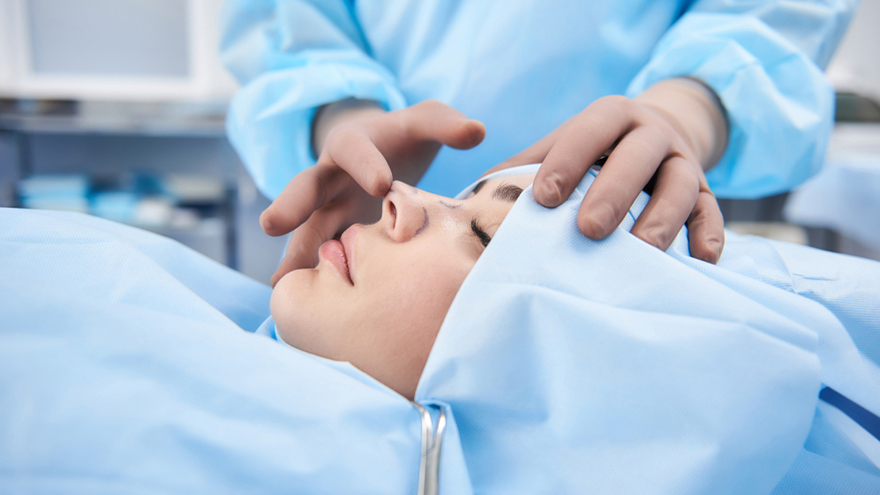
The first step in revision rhinoplasty is a thorough consultation with an experienced surgeon. During this evaluation, the surgeon will assess the issues from the initial surgery and discuss the patient's aesthetic and functional goals. A physical examination is performed to:
Identify any deformities or airflow issues
Review the presence of scar tissue or complications
The surgeon will then provide a detailed treatment plan, considering the patient’s unique needs.
2. Surgical Techniques and Approaches
Revision rhinoplasty often requires more advanced techniques due to the altered nasal anatomy from the first surgery. Surgeons may use autologous rib cartilage—the patient's own cartilage— for reconstructing the nose naturally and safely. Synthetic implants may be used in some cases, but the goal is to achieve optimal aesthetic and functional results.
3. Recovery Timeline and Expectations
The recovery process for revision rhinoplasty is similar to primary rhinoplasty but may take longer due to the complexity of the procedure. Expect swelling and bruising, with noticeable improvement after 1-2 months. Full recovery and the final results typically take up to a year. Post-operative care is crucial for optimal healing and avoiding complications.
Risks and Complications in Revision Rhinoplasty
As with any surgery, revision rhinoplasty carries risks and potential complications, including:
Scarring: Multiple surgeries can increase scarring risk.
Infection: This risk is slightly higher in revision cases.
Asymmetry: Achieving perfect symmetry may be more challenging in revision procedures.
Breathing Issues: In rare cases, breathing problems may persist or worsen.
Nasal Collapse: Weakened cartilage can lead to nasal collapse after surgery.
To minimize these risks, choosing a highly skilled surgeon with expertise in revision rhinoplasty is essential.
Benefits of Revision Rhinoplasty
-14edf493-9a70-4c6c-8117-2f4fd3c1f648.jpg)
Despite the potential risks, revision rhinoplasty offers significant benefits for those seeking to correct nasal imperfections, including:
Improved Aesthetic Outcomes: Refining shape, symmetry, and overall balance.
Functional Improvements: Restoring airflow, especially when breathing issues exist.
Psychological Benefits: Restoring confidence and self-esteem by achieving the desired appearance.
When to Consider Revision Rhinoplasty?
While not every patient dissatisfied with their first rhinoplasty requires revision surgery, certain situations warrant consideration:
Aesthetic dissatisfaction with the initial results
Persistent functional problems, such as breathing difficulties
Structural deformities caused by aging or trauma
Patients should wait for full healing from the primary surgery, which can take up to a year, before considering revision surgery.
Conclusion: Choosing the Right Surgeon for Revision Rhinoplasty
Choosing the right surgeon is critical for a successful revision rhinoplasty. A highly skilled surgeon with experience in revision cases can minimize risks and help achieve the desired outcome. Kowon Plastic Surgery, led by Dr. Kim Hyung Taek, is renowned for its expertise in revision rhinoplasty, offering patients personalized, cutting-edge care. With over 19 years of experience and a focus on natural, safe results, Kowon Plastic Surgery is a trusted choice for those considering a revision procedure.
Medical Information
Read this article as general guidance.
- This article is provided for general education. It does not replace an in-person examination by a qualified surgeon.
- Results vary between patients. Rhinoplasty can involve bleeding, infection, scarring, asymmetry, breathing changes, graft or implant problems and the possibility of revision surgery.
- Computer simulations and before-and-after photographs cannot guarantee an individual outcome.
- Any prices or timelines mentioned are general. Request an individualised, itemised written quotation and a procedure-specific recovery schedule before paying a deposit or booking travel.
Published by
Kowon Plastic Surgery
A rhinoplasty-focused clinic in Gangnam, Seoul, led by Dr. Kim Hyeongtaek and registered with Medical Korea to treat international patients.
Consultation
Questions about this topic? Ask Dr. Kim directly.
2F, 110 Dosan-daero, Gangnam-gu, Seoul 06038. Send clear photographs, your main concerns and any previous surgery history, and Dr. Kim Hyeongtaek will review what can be assessed before you travel.
International Patient Desk — Gangnam
Kowon Plastic Surgery
Director Dr. Kim Hyeongtaek
Single-surgeon rhinoplasty and autologous cartilage center in Seoul. Delivering meticulous, individual surgical architecture for primary and complex revision procedures.
Practice & Inquiries
Gangnam Clinic
2F, 110 Dosan-daero, Gangnam District, Seoul 06038, South Korea
Consultation Hours (KST)
Mon – Fri: 10:00 – 19:00
Sat: 10:00 – 16:00 · Sun & Holidays Closed
Direct Communication Channels
Telephone: +822-6242-7080WhatsApp: +1-206-809-1367LINE Official: @967xxmreWeChat Consultation Service© 2025 Kowon Plastic Surgery. All rights reserved.
Registered Medical Institution for Foreign Patient Facilitation (Medical Korea). Surgical consultation and procedure terms subject to Korean Ministry of Health and Welfare guidelines.