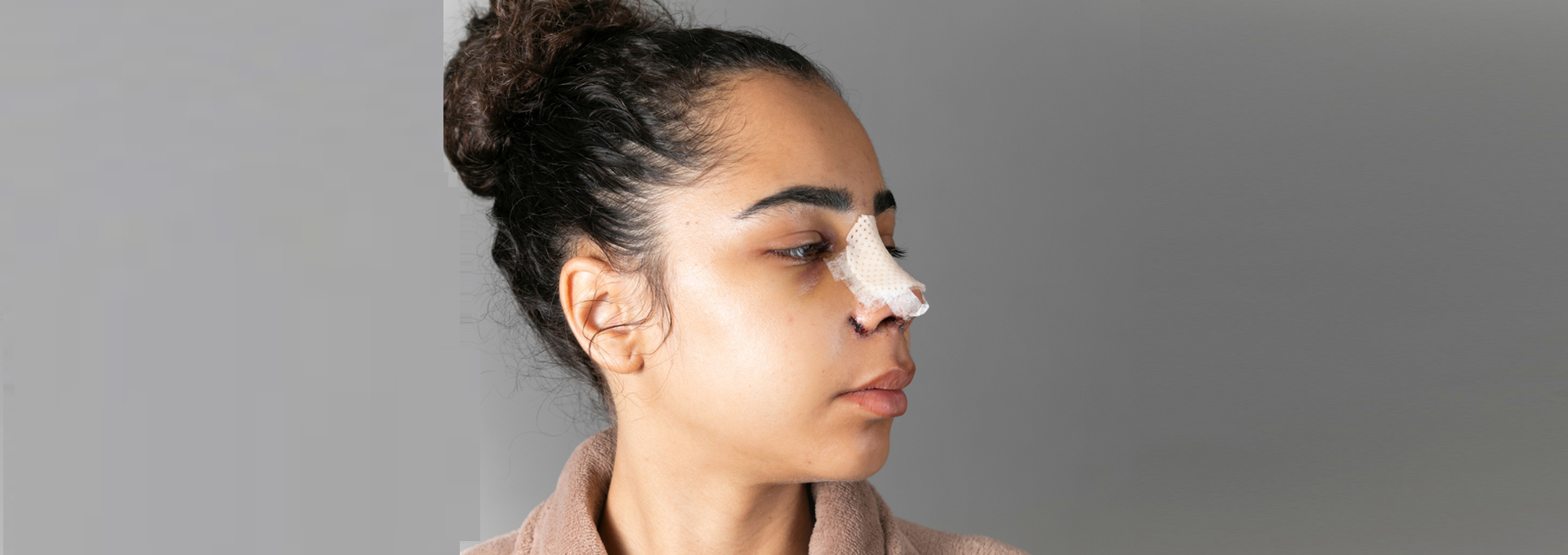
Patient Education
Post-Surgery Stitches & Splint Care Guide | Kowon Clinic
Learn expert tips to care for stitches and splints after surgery. Prevent infection, reduce scars & support healing with Kowon Plastic Surgery.
Article
Published by Kowon Plastic Surgery, Gangnam, Seoul
Understanding Post-Surgery Recovery: Beyond the Operating Room

Surgery may conclude in the operating room, but true healing begins afterward. Whether you've had a cosmetic procedure like rhinoplasty or a medically necessary operation, caring for stitches and splints is critical to preventing infection, minimizing scarring, and achieving your desired results.
Dr. Kim Hyung Taek of Kowon Plastic Surgery in Seoul emphasizes, "Postoperative care plays as crucial a role in patient outcomes as the surgery itself. We see smoother recoveries and better aesthetic results when aftercare is followed precisely."
Patients often underestimate the influence of their own actions post-surgery. By following a structured aftercare plan, you significantly lower your risk of complications and ensure your body has the support it needs to heal efficiently. This includes understanding your body’s healing phases, using the right tools, and knowing when to contact your provider.
What Are Stitches and Splints, and Why Do They Matter?
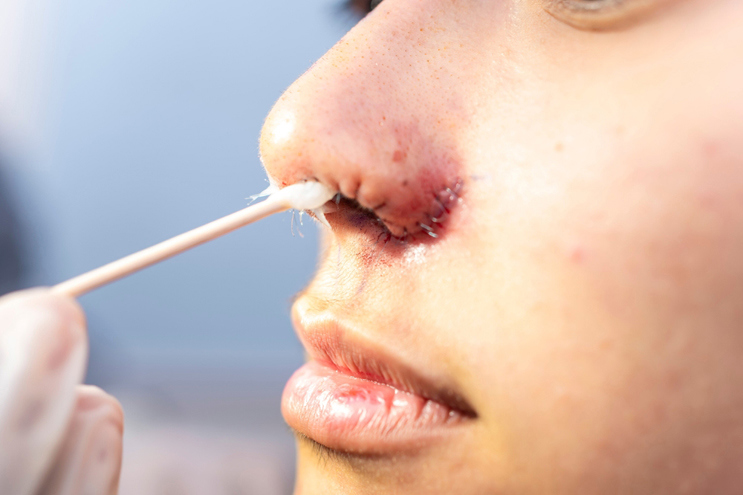
Stitches (or sutures) hold tissues together as they heal and may be absorbable or require removal after 5–14 days, depending on the wound location, depth, and surgical method. These sutures create a controlled environment for tissues to reattach and regenerate.
Splints, by contrast, are rigid or semi-rigid devices used to support and immobilize the surgical site. They are especially common in facial procedures like rhinoplasty, otoplasty, or jaw contouring. They stabilize delicate structures, reduce swelling, and act as a protective barrier during the early healing window.
At Kowon, nasal splints are custom-fitted to accommodate each patient’s unique facial anatomy. This helps maintain the integrity of surgical results and minimizes trauma from accidental bumps or facial expressions during recovery.
What Happens During Healing? A Brief Timeline
Understanding the body’s healing process demystifies much of the recovery journey:
Hemostasis (Immediate): The body forms a clot to stop bleeding.
Inflammation (1–4 days): White blood cells clear debris and fight bacteria. Swelling and redness are common.
Proliferation (4–21 days): New tissue, including collagen and capillaries, begins to grow.
Maturation/Remodeling (21+ days): The tissue strengthens and matures, often continuing for several months.
External stitches are typically removed during the proliferative phase, once the wound edges have closed. Absorbable sutures break down gradually through enzymatic activity and are safely absorbed by the body.
How to Clean Stitches at Home Without Risk
Hygiene is paramount to avoiding infection. Before cleaning your wound:
Wash your hands thoroughly with soap and water
Use a clean surface and tools (preferably sterile)
Clean around the wound with a soft cloth or cotton swab dipped in warm water and mild, non-scented soap. Avoid alcohol or hydrogen peroxide unless specifically instructed—they can irritate healing tissue.
Dry the area with sterile gauze or air-dry gently. Never rub or pick at scabs.
Kowon Plastic Surgery includes wound care kits with gauze, antiseptic solutions, and detailed daily instructions. Their approach empowers patients to feel confident in managing recovery at home, even from abroad.
Watch for These Signs of Infection
Prompt recognition of infection is vital. Warning signs include:
Persistent or spreading redness beyond the wound
Thick or discolored discharge (yellow, green, or foul-smelling)
Increased warmth, tenderness, or pain around the site
Fever or chills in severe cases
Patients should not wait for symptoms to worsen. Kowon offers telemedicine check-ins where clinicians evaluate wounds remotely via photos or video, enabling early intervention.
Moisture and Stitches: A Risky Combo
For the first 48–72 hours, avoid exposing your wound to water. Moisture softens wound margins and invites bacteria, increasing the chance of delayed healing or wound reopening.
Can You Shower? Light showering may be permitted after 48 hours, but only under strict conditions:
Use waterproof bandages to shield the area
Avoid hot water and direct spray on the incision
Gently pat the area dry afterward—never rub
Your surgeon will provide personalized instructions based on your procedure and wound location.
What if They Get Wet? If water contacts the stitches:
Pat the area dry with sterile gauze
Avoid lotions or ointments unless prescribed
Monitor for redness or drainage
Report any concerning changes to your provider
Kowon’s team remains accessible for such questions, including around-the-clock messaging for international patients.
Splint Care: Protecting Your Surgical Outcome
Splints do more than immobilize—they shield healing tissues from pressure, friction, and impact. Patients recovering from rhinoplasty, for example, wear a splint to maintain nasal alignment and minimize internal swelling.
Proper splint care includes:
Never removing or shifting the splint unless instructed
Keeping the splint clean and dry at all times
Sleeping with the head elevated 30–45 degrees to reduce swelling
Avoiding makeup, moisturizers, or products near the splint site
Kowon recommends avoiding eyeglasses or masks that rest on the splint until the healing tissue stabilizes. Protective foam or barriers may be provided in post-op kits to prevent displacement.
Day-to-Day Life with a Splint or Stitches
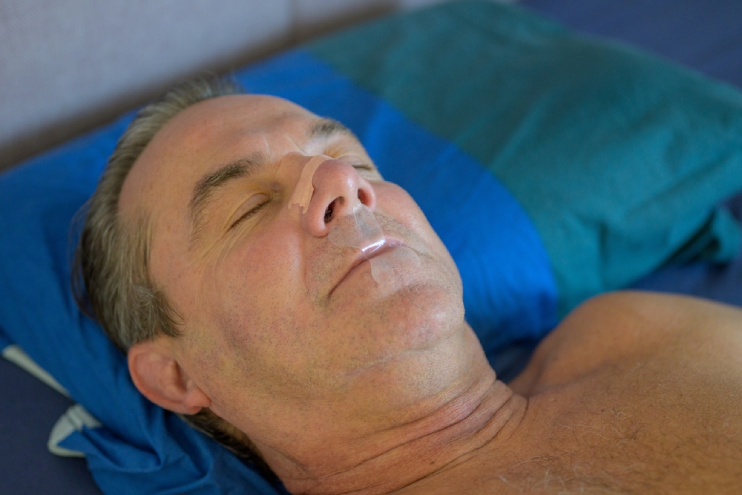
Daily routines may require modification during recovery:
Sleep: Lie on your back with pillows on either side to avoid turning
Hygiene: Use a handheld showerhead or assistance to avoid splashing the face
Clothing: Choose button-down or zippered tops to avoid tugging near the wound
Activity: Avoid bending over, lifting heavy items, or engaging in strenuous workouts
Even facial expressions—smiling widely or sneezing—can disrupt early healing if not done carefully. Communicate with your care team if you’re unsure about returning to work, travel, or physical activity.
Reducing Scars Starts with Smart Aftercare
Scar prevention begins before the stitches come out. Key practices include:
Keeping the wound protected from UV exposure using hats or SPF after closure
Applying silicone gels or sheeting (once cleared by your surgeon) to flatten and fade scars
Gently moisturizing the area with approved, non-irritating products
Avoiding exfoliants, acids, or retinoids on fresh wounds
Kowon Plastic Surgery customizes scar care based on skin tone, procedure type, and patient history, especially for those prone to keloid or hypertrophic scarring.
When Stitches Are Removed—and Why It Matters
Stitches are typically removed within 5–14 days, depending on their location and function. Early removal may cause wound reopening; delayed removal could lead to stitch marks or embedded sutures.
The removal process involves:
Sterile tools and a gentle technique
Possible light tugging or pulling
Inspection of healing progress
Kowon’s follow-up appointments include post-removal guidance, such as when to resume skincare or massage therapy.
For overseas patients, Kowon arranges virtual assessments and, if needed, collaborates with local physicians to ensure safe removal.
Patient Story: Mina’s Recovery Journey
Mina, a 27-year-old from Canada, traveled to Seoul for revision rhinoplasty at Kowon. Swelling and tightness were present during the first week, but she adhered strictly to her post-op plan. Her stitches were removed on day 10, and no infection or adverse signs were present.
"By week four, my nose looked natural and symmetrical. I couldn’t believe how smooth everything went," she recalls. "The visual guides and daily texts from Kowon made me feel supported, even across continents."
Her story echoes many who undergo surgery abroad: when recovery is personalized and well-supported, outcomes improve significantly.
Visual Tools and Patient Resources
Patient comprehension is key to recovery. That’s why Kowon includes:
Illustrated guides for wound cleaning
Diagrams of splint placement
Checklists for daily care and warning signs
These tools reduce anxiety and encourage better self-care, especially in the first critical week post-op.
What Sets Kowon Apart? Personalized Recovery That Travels With You
Led by Dr. Kim, Kowon Plastic Surgery is renowned for rhinoplasty innovation and international patient care. Their healing model includes:
3D simulations and virtual consults before travel
Bilingual staff and cultural liaisons
Tailored aftercare kits and written plans
Post-op video calls and chat support for months after surgery
Even after patients return home, Kowon remains involved—bridging the gap between overseas care and local follow-up.
Final Thoughts: Healing Well Is Healing Wisely
Smart aftercare transforms surgical outcomes. Clean wounds, dry stitches, stable splints, and informed choices all contribute to optimal healing.
Trust in your clinic, follow expert advice, and advocate for your recovery. Kowon Plastic Surgery blends surgical excellence with global recovery support, giving patients confidence from the operating room to full recovery.
Medical Information
Read this article as general guidance.
- This article is provided for general education. It does not replace an in-person examination by a qualified surgeon.
- Results vary between patients. Rhinoplasty can involve bleeding, infection, scarring, asymmetry, breathing changes, graft or implant problems and the possibility of revision surgery.
- Computer simulations and before-and-after photographs cannot guarantee an individual outcome.
- Any prices or timelines mentioned are general. Request an individualised, itemised written quotation and a procedure-specific recovery schedule before paying a deposit or booking travel.
Published by
Kowon Plastic Surgery
A rhinoplasty-focused clinic in Gangnam, Seoul, led by Dr. Kim Hyeongtaek and registered with Medical Korea to treat international patients.
Consultation
Questions about this topic? Ask Dr. Kim directly.
2F, 110 Dosan-daero, Gangnam-gu, Seoul 06038. Send clear photographs, your main concerns and any previous surgery history, and Dr. Kim Hyeongtaek will review what can be assessed before you travel.
International Patient Desk — Gangnam
Kowon Plastic Surgery
Director Dr. Kim Hyeongtaek
Single-surgeon rhinoplasty and autologous cartilage center in Seoul. Delivering meticulous, individual surgical architecture for primary and complex revision procedures.
Practice & Inquiries
Gangnam Clinic
2F, 110 Dosan-daero, Gangnam District, Seoul 06038, South Korea
Consultation Hours (KST)
Mon – Fri: 10:00 – 19:00
Sat: 10:00 – 16:00 · Sun & Holidays Closed
Direct Communication Channels
Telephone: +822-6242-7080WhatsApp: +1-206-809-1367LINE Official: @967xxmreWeChat Consultation Service© 2025 Kowon Plastic Surgery. All rights reserved.
Registered Medical Institution for Foreign Patient Facilitation (Medical Korea). Surgical consultation and procedure terms subject to Korean Ministry of Health and Welfare guidelines.