
Patient Education
Is Non-Implant Rhinoplasty the Right Choice for Subtle Nose Enhancements?
Discover the benefits of non-implant rhinoplasty for subtle, natural nose enhancements. Learn about techniques, recovery, and whether it’s the right choice for you.
Article
Published by Kowon Plastic Surgery, Gangnam, Seoul
Introduction: Understanding Non-Implant Rhinoplasty
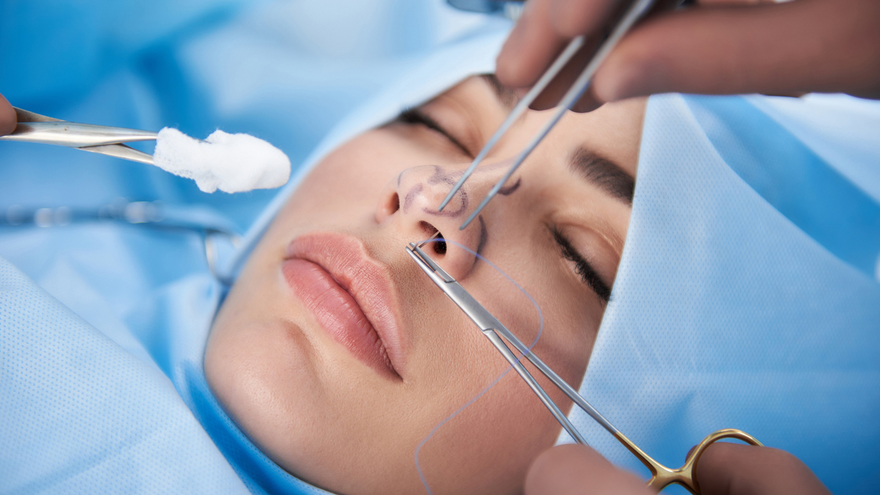
As the demand for cosmetic enhancements grows, more patients are looking for alternatives to traditional rhinoplasty that offer natural results with minimal invasiveness. One such option is non-implant rhinoplasty—a procedure that focuses on reshaping the nose without using synthetic materials, such as silicone implants. This method has garnered attention for its ability to subtly refine the nose while maintaining its natural appearance.
Non-implant rhinoplasty is particularly appealing to those who want to enhance their facial harmony without undergoing extensive surgery or introducing foreign materials into their body. Whether it’s a small bump on the nose, a slightly bulbous tip, or mild asymmetry, non-implant rhinoplasty provides a tailored solution that fits seamlessly with the rest of the face.
This article will take a deeper dive into the benefits of non-implant rhinoplasty, its techniques, and how it may be the ideal choice for individuals seeking subtle nose enhancements.
What is Non-Implant Rhinoplasty?
Non-implant rhinoplasty is a modern technique in nasal reshaping that avoids using synthetic materials like silicone or other implants. Instead, it relies on natural methods, such as utilizing the patient’s own cartilage (autologous cartilage) or non-invasive injectable fillers, to enhance the nose’s appearance.
This approach stands in contrast to traditional rhinoplasty, where implants are typically used to alter the shape of the nose. By relying on the body’s own tissues or non-invasive treatments, non-implant rhinoplasty offers several key advantages:
Autologous Cartilage Rhinoplasty: This procedure involves harvesting cartilage from the patient’s own body—often from the ear or rib area—and using it to augment or reshape the nose. The benefits of this method include natural integration with the body’s tissues, significantly reducing the risk of complications like rejection or infection.
Injectable Dermal Fillers: For those looking for temporary changes, dermal fillers such as hyaluronic acid can be injected into the nose. This non-surgical method is especially effective for smoothing out minor imperfections, lifting the nasal tip, or correcting slight asymmetries.
Both methods can provide highly customized results, and the choice between them depends on the patient's goals, the degree of refinement needed, and the desired longevity of the results.
Who is a Good Candidate for Non-Implant Rhinoplasty?
Non-implant rhinoplasty is a great option for individuals seeking subtle, natural changes to their noses. The ideal candidates are typically those who:
Have Minor Nose Imperfections: Non-implant rhinoplasty works best for correcting minor issues such as a small bump on the bridge, a slightly bulbous tip, or slight asymmetry. It’s not intended for those who require major reshaping or complex nasal correction, as traditional rhinoplasty would be more appropriate in those cases.
Want a Natural Look: Since this procedure uses the patient’s own tissue or dermal fillers, the results tend to be more harmonious and natural compared to traditional rhinoplasty. The goal is not to dramatically alter the nose but rather to refine and balance it with the overall facial features.
Prefer a Minimally Invasive Option: Patients who want to avoid traditional rhinoplasty, which involves larger incisions and a longer recovery period, may find non-implant rhinoplasty to be an ideal solution. This procedure generally requires minimal downtime and has fewer risks of visible scarring.
Have Specific Functional Needs: Non-implant rhinoplasty can also address certain functional issues, such as correcting a deviated septum or nasal obstruction. Autologous cartilage is often used in such cases to provide structural support to the nose while achieving aesthetic improvements.
Do Not Seek Significant Changes: For those desiring a dramatic transformation, non-implant rhinoplasty may not be sufficient. It is more suited for individuals looking for subtle, refined enhancements rather than a complete reshaping of the nose.
Benefits of Non-Implant Rhinoplasty for Subtle Enhancements
One of the primary reasons non-implant rhinoplasty is so appealing is the array of benefits it offers, particularly for patients seeking subtle nose enhancements:
Natural-Looking Results: Using autologous cartilage or injectable fillers preserves the natural structure of the nose while achieving the desired aesthetic refinements. Unlike traditional rhinoplasty, which may result in a more noticeable change, non-implant rhinoplasty ensures that the nose maintains its organic texture and shape.
No Foreign Materials: Since non-implant rhinoplasty uses the patient’s own tissue or non-surgical fillers, there is no need for synthetic implants like silicone. This reduces the risk of complications such as infection, rejection, or shifting of the implants, which are common with traditional rhinoplasty procedures.
Minimal Scarring: One of the main advantages of non-implant rhinoplasty is its minimally invasive nature. Injectable fillers, in particular, require no incisions, and even autologous cartilage rhinoplasty typically involves small, discreet incisions. This means less visible scarring and a more aesthetically pleasing outcome.
Faster Recovery Time: Compared to traditional rhinoplasty, non-implant rhinoplasty generally has a quicker recovery period. Many patients report being able to return to their normal activities within just a few days, especially when dermal fillers are used. This makes it a more attractive option for individuals with busy lifestyles or those who prefer to avoid prolonged downtime.
Lower Risk of Complications: By using the body’s own tissue or injectable fillers, non-implant rhinoplasty minimizes the risk of complications typically associated with synthetic implants. This makes the procedure safer and more predictable for many patients.
Precision and Customization: Non-implant rhinoplasty allows for highly customized results, whether it’s correcting minor asymmetries, enhancing the nasal tip, or smoothing a small bump. The procedure can be precisely tailored to the patient’s unique aesthetic needs and goals.
How Non-Implant Rhinoplasty Works
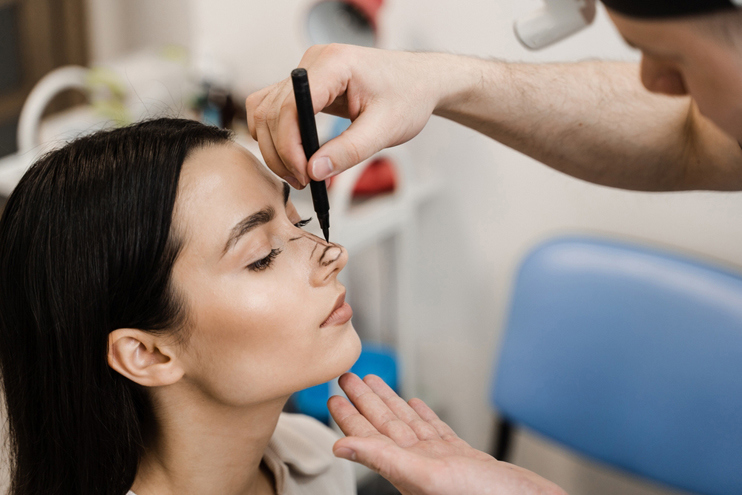
The two primary techniques used in non-implant rhinoplasty are autologous cartilage rhinoplasty and injectable dermal fillers.
Autologous Cartilage Rhinoplasty: In this procedure, cartilage is carefully harvested from the patient’s own body—typically from the ear or rib. The cartilage is then shaped and used to augment the nose, improving its structure and appearance. Since this cartilage is naturally accepted by the body, the risk of complications is significantly lower. This method is often used when structural support is needed, such as when addressing a deviated septum or nasal obstruction.
Injectable Dermal Fillers: For those seeking temporary results, dermal fillers like hyaluronic acid or Radiesse are injected into the nose to smooth out small imperfections, lift the nasal tip, or create a more balanced appearance. Fillers are ideal for patients who desire subtle changes without the permanence of surgery. While the results from injectable fillers are not permanent, they provide noticeable improvements with minimal downtime and discomfort.
Both methods provide a high degree of customization, with the technique selected based on the patient’s specific goals, the extent of the changes needed, and the desired longevity of the results.
Expected Results and Outcomes
Patients who undergo non-implant rhinoplasty typically see subtle yet impactful changes to their noses. The procedure is designed to provide a refined, natural look, rather than dramatic alterations.
Subtle Refinements: Whether it’s smoothing out a bump on the bridge, lifting a drooping nasal tip, or correcting mild asymmetry, non-implant rhinoplasty helps balance the nose with the rest of the facial features. These subtle enhancements contribute to an overall more harmonious and aesthetically pleasing appearance.
Natural Harmony: One of the key benefits of non-implant rhinoplasty is that it maintains the unique character of the nose. Unlike traditional rhinoplasty, which may alter the nose significantly, non-implant rhinoplasty preserves the nose's natural features while enhancing its proportions.
Before-and-After Expectations: Many patients find that their results are subtle yet transformative. Before-and-after photos typically show smoother profiles, more balanced proportions, and lifted nasal tips, all without visible scars or significant changes in the nose’s character.
Non-Implant Rhinoplasty vs. Traditional Rhinoplasty
When deciding between non-implant and traditional rhinoplasty, it’s essential to consider the differences between the two options.
Factor | Non-Implant Rhinoplasty | Traditional Rhinoplasty |
|---|---|---|
Invasiveness | Minimally invasive, fewer incisions | Involves larger incisions and implant placement |
Recovery Time | Faster recovery, usually a few days to a week | Longer recovery, typically weeks to months |
Risk of Complications | Lower risk due to natural tissue or fillers | Higher risk, particularly with implants |
Results | Subtle, natural refinements | More dramatic changes, suitable for major reshaping |
Cost | Generally less expensive | Typically more expensive due to the complexity of surgery |
For patients seeking natural results with minimal recovery time, non-implant rhinoplasty is a great option. However, for more significant changes or complex nasal issues, traditional rhinoplasty may be more appropriate.
Recovery Process: What to Expect?
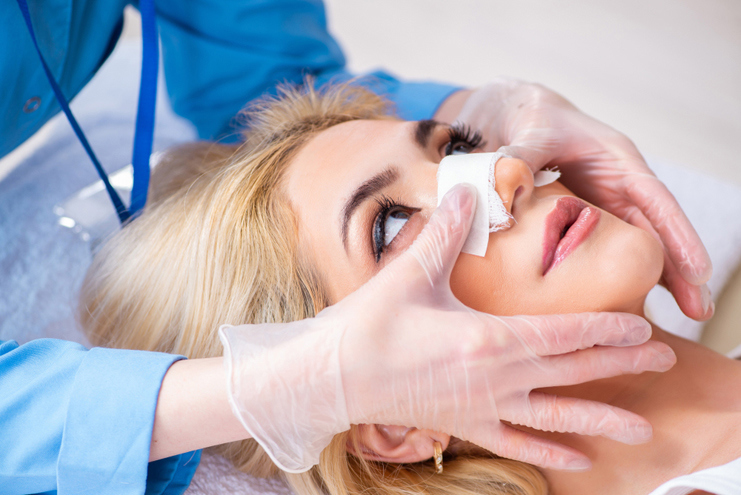
One of the main reasons patients opt for non-implant rhinoplasty is the faster, more manageable recovery compared to traditional rhinoplasty.
Immediate Aftercare: After the procedure, patients are typically provided with post-operative care instructions to minimize swelling and discomfort. Most people can return to their normal activities within a few days to a week, especially if injectable fillers are used.
Swelling and Bruising: Mild swelling or bruising may occur, especially around the nose or eyes, but this usually resolves within a week. When fillers are used, swelling is often minimal, and patients may notice improvements immediately.
Long-Term Healing: If autologous cartilage is used, a slight healing period may be necessary as the body adjusts to the new tissue. However, this recovery is still much quicker than traditional rhinoplasty.
Safety Protocols and Surgeon Qualifications
It’s crucial to choose a board-certified surgeon with specific expertise in non-implant techniques. Surgeons who are experienced in performing autologous cartilage rhinoplasty and administering injectable fillers can ensure the best results and minimize risks.
Conclusion: Is Non-Implant Rhinoplasty Right for You?
Non-implant rhinoplasty offers a safe, minimally invasive way to refine the nose and achieve subtle, natural enhancements. By using the patient’s own tissue or injectable fillers, this procedure avoids the risks associated with synthetic implants, while providing results that blend seamlessly with the rest of the face.
If you’re seeking a more balanced, harmonious nose without the need for significant surgery, non-implant rhinoplasty may be the perfect solution. Whether you’re addressing minor imperfections or refining your nose’s appearance, this approach provides customized results with a quick recovery time.
At Kowon Plastic Surgery, Dr. Kim Hyung Taek and his team offer world-class care and expertise in non-implant rhinoplasty, specializing in autologous cartilage and filler-based techniques. Book a consultation today to explore how non-implant rhinoplasty can help you achieve the subtle nose enhancement you’ve always wanted.
Medical Information
Read this article as general guidance.
- This article is provided for general education. It does not replace an in-person examination by a qualified surgeon.
- Results vary between patients. Rhinoplasty can involve bleeding, infection, scarring, asymmetry, breathing changes, graft or implant problems and the possibility of revision surgery.
- Computer simulations and before-and-after photographs cannot guarantee an individual outcome.
- Any prices or timelines mentioned are general. Request an individualised, itemised written quotation and a procedure-specific recovery schedule before paying a deposit or booking travel.
Published by
Kowon Plastic Surgery
A rhinoplasty-focused clinic in Gangnam, Seoul, led by Dr. Kim Hyeongtaek and registered with Medical Korea to treat international patients.
Consultation
Questions about this topic? Ask Dr. Kim directly.
2F, 110 Dosan-daero, Gangnam-gu, Seoul 06038. Send clear photographs, your main concerns and any previous surgery history, and Dr. Kim Hyeongtaek will review what can be assessed before you travel.
International Patient Desk — Gangnam
Kowon Plastic Surgery
Director Dr. Kim Hyeongtaek
Single-surgeon rhinoplasty and autologous cartilage center in Seoul. Delivering meticulous, individual surgical architecture for primary and complex revision procedures.
Practice & Inquiries
Gangnam Clinic
2F, 110 Dosan-daero, Gangnam District, Seoul 06038, South Korea
Consultation Hours (KST)
Mon – Fri: 10:00 – 19:00
Sat: 10:00 – 16:00 · Sun & Holidays Closed
Direct Communication Channels
Telephone: +822-6242-7080WhatsApp: +1-206-809-1367LINE Official: @967xxmreWeChat Consultation Service© 2025 Kowon Plastic Surgery. All rights reserved.
Registered Medical Institution for Foreign Patient Facilitation (Medical Korea). Surgical consultation and procedure terms subject to Korean Ministry of Health and Welfare guidelines.