
Patient Education
Is Bruising Normal After Rhinoplasty? How to Manage It
Is bruising after rhinoplasty normal? Yes — and manageable. Learn what to expect, how long it lasts, and expert tips from Kowon Plastic Surgery in Seoul to speed up healing safely.
Article
Published by Kowon Plastic Surgery, Gangnam, Seoul
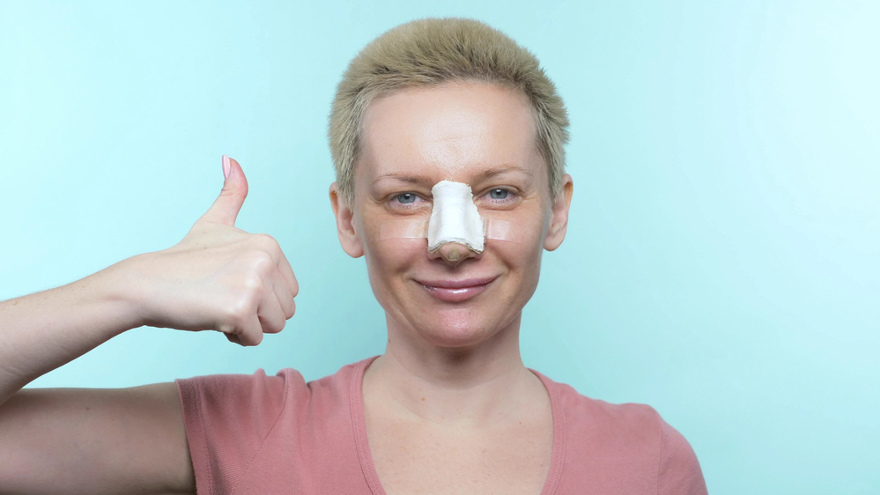
Imagine this: you’ve just completed a long-awaited rhinoplasty. You followed every instruction, chose your surgeon with care, and finally went through with the procedure. But as you wake up and glance in the mirror, you’re met with deep purples and yellows around your eyes. “Is this normal?” you wonder. “Did something go wrong?”
The short answer is — yes, bruising is entirely normal after rhinoplasty. In fact, it’s part of the healing process. But how much bruising is too much? And what can you do to reduce it safely?
At Kowon Plastic Surgery, we see patients from around the world who are not just seeking a more balanced nasal appearance, but also clarity — clarity about the recovery journey, including side effects like bruising. Whether you're undergoing primary rhinoplasty or a complex revision using rib cartilage, understanding what to expect post-surgery is essential for both peace of mind and optimal healing.
Why Bruising Happens After Rhinoplasty
Your nose may be the focal point of surgery, but it's your eyes and cheeks that often show the aftermath — particularly in the form of bruising.
This occurs because during rhinoplasty, the surgeon works in areas close to delicate blood vessels, especially when performing osteotomies (controlled breaking and repositioning of the nasal bones). These vessels can leak small amounts of blood under the skin, causing visible bruising or “periorbital ecchymosis” — a medical term for the black-and-blue tint under the eyes.
This is not a sign of poor technique. Even with the most careful, gentle surgical approach — which we emphasize at Kowon — some degree of bruising is expected. However, there are factors that influence how much bruising you’ll get.
What Influences the Degree of Bruising?
No two patients bruise exactly the same. Based on Dr. Kim Hyung Taek’s 19+ years of rhinoplasty experience, the following factors tend to impact how much bruising a patient experiences:
1. Surgical Technique
At Kowon, we prioritize precision-based, low-trauma techniques — including implant-free methods and cartilage reshaping — to minimize internal bleeding. Surgeons who use excessive force or outdated tools may increase tissue damage and bruising.
2. Type of Rhinoplasty
Primary rhinoplasty often involves less manipulation than revision cases.
Revision rhinoplasty, especially when correcting prior implant issues or scar tissue, tends to result in more swelling and bruising.
Rib cartilage grafting, though more structurally stable long-term, can slightly increase healing time due to the complexity of the harvest.
3. Individual Factors
Skin thickness: Thinner skin tends to show bruising more visibly.
Blood clotting tendencies: People who bruise easily or take blood-thinning medications (even supplements like fish oil or vitamin E) may see more discoloration.
Age and health: Younger, healthier skin tends to recover more quickly.
How Long Does Bruising Last After Rhinoplasty?
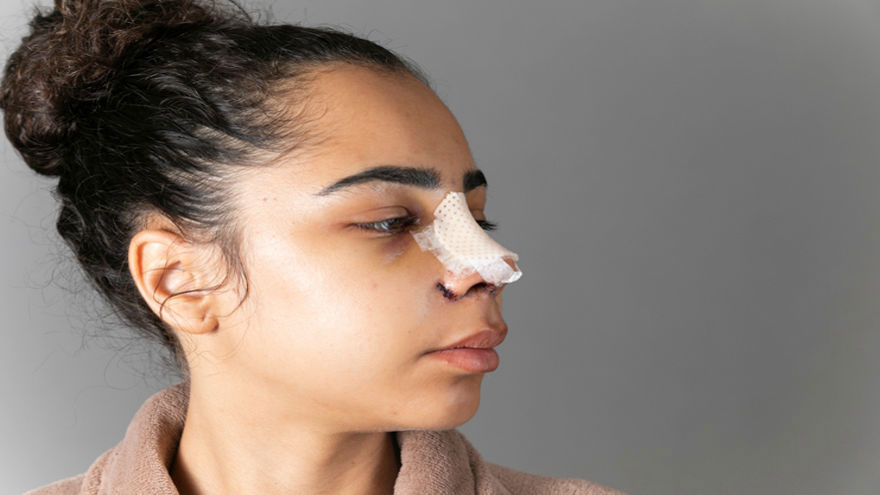
For most patients, the worst of the bruising appears during the first 2–4 days post-surgery, then begins to fade. Here’s a general timeline:
Days 1–3: Bruising darkens (purplish or red), swelling peaks.
Days 4–7: Bruising starts to fade to green or yellow.
Week 2: Most discoloration is gone, though some may persist.
Week 3+: Bruising is usually resolved, with only subtle redness or skin tint remaining (if any).
At Kowon, we see faster healing times in patients who follow our pre- and post-operative care instructions carefully.
How to Manage and Minimize Bruising
If bruising is expected, the next question is: what can you do about it?
The goal isn’t to stop bruising completely — that would be unrealistic and possibly unsafe — but rather to minimize it and support faster recovery. Here's what we advise at Kowon:
1. Before Surgery: Prepare Your Body
Stop blood-thinners early: At least 1–2 weeks prior, avoid aspirin, ibuprofen, fish oil, ginseng, garlic supplements, and vitamin E (unless otherwise directed).
Hydrate well: A healthy lymphatic system can clear swelling and bruising faster.
Avoid alcohol and smoking: Both impair circulation and healing.
Medical clearance: Be honest about your medications and supplements during your consultation — even "natural" ones can impact bruising.
2. Immediately After Surgery: Cold Compress + Elevation
Cold compresses (not ice packs) applied gently over the cheeks (never directly on the nose) during the first 48 hours can reduce bleeding under the skin.
Keep your head elevated at all times, including during sleep. This reduces pressure and supports fluid drainage.
At Kowon, patients leave surgery with customized recovery instructions, including how to apply cooling therapy and how long to continue.
3. Anti-Bruising Medications and Supplements
Under guidance, some patients benefit from:
Arnica montana: A natural supplement known to reduce bruising and inflammation.
Bromelain: An enzyme derived from pineapple that may reduce swelling.
Prescription creams or ointments: Some surgeons may prescribe topical agents to assist healing.
Note: Always consult your surgeon before starting any post-op supplements. We only recommend substances that are evidence-backed and safe for each patient.
4. Gentle Lymphatic Drainage Massage
Once the initial swelling has decreased (after 1–2 weeks), light facial massage under guidance can help the lymph system flush out residual bruising and puffiness.
5. Patience, Protection, and Sun Avoidance
Don’t rush back into heavy activity. Too much movement can delay healing.
Avoid sun exposure, which can darken bruises and cause long-term skin discoloration.
Use sunscreen or wear a hat if you must go outdoors, especially during the early weeks.
What About Makeup to Cover Bruising?
It’s tempting to reach for concealer when bruises linger. But timing is everything.
Before 7 days: Avoid makeup completely, especially near incisions or splints.
After 7–10 days: Once your surgeon gives the okay, you may use medical-grade, non-comedogenic concealers to camouflage remaining discoloration.
At Kowon, we can recommend products that won’t interfere with healing or increase infection risk.
Is Severe Bruising Ever a Sign of a Problem?
In rare cases, excessive or asymmetrical bruising can signal a complication — such as a hematoma (localized collection of blood) or issues with clotting.
Contact your clinic immediately if you experience:
Sudden increase in swelling on one side
Intense pain not controlled with medication
Bleeding that doesn’t stop
Vision changes or pressure behind the eyes
Thankfully, with meticulous surgical planning and close monitoring, these issues are extremely rare at Kowon.
A Note on Revision Rhinoplasty and Bruising
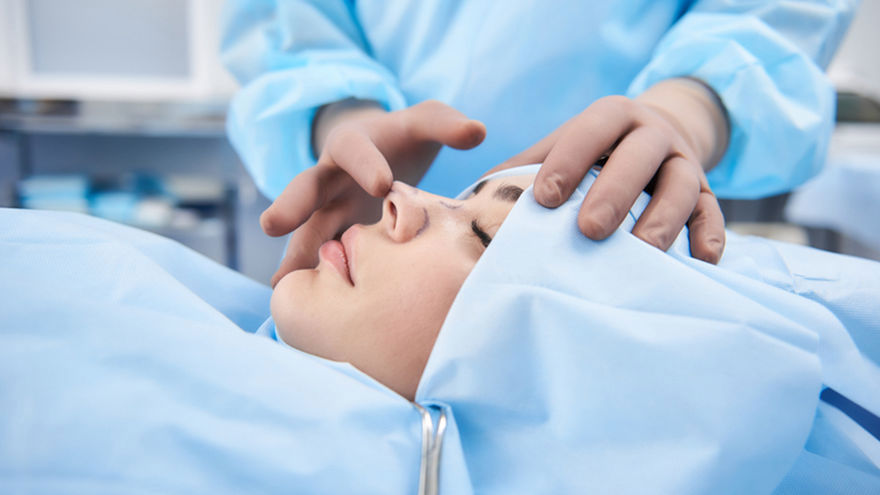
If you’re undergoing a revision rhinoplasty — especially due to implant-related complications — you may already have scar tissue, displaced grafts, or weakened nasal structure. These conditions often require rib cartilage grafting, which is more complex but much more stable long-term.
Dr. Kim’s approach to revision rhinoplasty focuses on:
Removing problematic implants without unnecessary trauma
Reshaping rib cartilage to rebuild natural structure
Preserving or restoring breathing function
In these cases, patients may see slightly more swelling or bruising, but also report a stronger sense of relief, knowing their nose is finally being rebuilt on a solid foundation.
Final Thoughts: What Bruising Tells You — and What It Doesn’t
Bruising, while alarming at first glance, is not a reflection of surgical failure or something to panic over. It’s your body’s natural way of healing after a significant (and delicate) procedure. Just like a musical instrument needs fine-tuning after repair, your face needs time and support to return to harmony.
At Kowon Plastic Surgery, we believe in transparent, science-based recovery education. When patients understand what’s happening and why, recovery becomes less stressful — and the results, ultimately, more satisfying.
If You're Preparing for Rhinoplasty…
Know that your recovery will be as unique as your surgical plan. But you should never feel alone in the process.
If you're unsure about what to expect — especially if you’ve had prior surgery and are facing revision — consult a clinic that specializes in natural, high-safety rhinoplasty. That’s what Kowon is known for.
With over 10,000 cases and a philosophy built on functional beauty, surgical precision, and patient-first care, we’re here to guide you — not just through the procedure, but through every step of healing that follows.
Ready to learn more?
Contact Kowon Plastic Surgery in Gangnam, Seoul for a personalized consultation on primary or revision rhinoplasty — where your nose, and your peace of mind, come first.
Medical Information
Read this article as general guidance.
- This article is provided for general education. It does not replace an in-person examination by a qualified surgeon.
- Results vary between patients. Rhinoplasty can involve bleeding, infection, scarring, asymmetry, breathing changes, graft or implant problems and the possibility of revision surgery.
- Computer simulations and before-and-after photographs cannot guarantee an individual outcome.
- Any prices or timelines mentioned are general. Request an individualised, itemised written quotation and a procedure-specific recovery schedule before paying a deposit or booking travel.
Published by
Kowon Plastic Surgery
A rhinoplasty-focused clinic in Gangnam, Seoul, led by Dr. Kim Hyeongtaek and registered with Medical Korea to treat international patients.
Consultation
Questions about this topic? Ask Dr. Kim directly.
2F, 110 Dosan-daero, Gangnam-gu, Seoul 06038. Send clear photographs, your main concerns and any previous surgery history, and Dr. Kim Hyeongtaek will review what can be assessed before you travel.
International Patient Desk — Gangnam
Kowon Plastic Surgery
Director Dr. Kim Hyeongtaek
Single-surgeon rhinoplasty and autologous cartilage center in Seoul. Delivering meticulous, individual surgical architecture for primary and complex revision procedures.
Practice & Inquiries
Gangnam Clinic
2F, 110 Dosan-daero, Gangnam District, Seoul 06038, South Korea
Consultation Hours (KST)
Mon – Fri: 10:00 – 19:00
Sat: 10:00 – 16:00 · Sun & Holidays Closed
Direct Communication Channels
Telephone: +822-6242-7080WhatsApp: +1-206-809-1367LINE Official: @967xxmreWeChat Consultation Service© 2025 Kowon Plastic Surgery. All rights reserved.
Registered Medical Institution for Foreign Patient Facilitation (Medical Korea). Surgical consultation and procedure terms subject to Korean Ministry of Health and Welfare guidelines.