
Patient Education
How Silicone Implants Transform Rhinoplasty Healing and Results
Discover how silicone implants enhance rhinoplasty healing, results, and nasal aesthetics. Learn from Dr. Kim’s expert insights at Kowon Plastic Surgery.
Article
Published by Kowon Plastic Surgery, Gangnam, Seoul
Introduction: What to Know About Silicone Implants in Rhinoplasty
-7604e3d6-ffb4-4e62-96fd-509b5c178542.jpg)
Rhinoplasty—commonly known as a nose job—remains one of the most popular cosmetic procedures worldwide. Whether for aesthetic refinement or functional improvement, many patients opt for nasal augmentation using silicone implants to achieve their ideal look. Silicone implants are particularly valued for their durability, safety profile, and ability to create a well-defined nasal bridge.
At Kowon Plastic Surgery, led by renowned rhinoplasty specialist Dr. Kim Hyung Taek, our team integrates advanced surgical techniques with a patient-centered approach. With over 19 years of experience, Dr. Kim has performed thousands of successful rhinoplasties, offering patients natural-looking results with a smooth recovery process. Our philosophy centers on enhancing each patient’s natural beauty while prioritizing nasal function and long-term satisfaction.
What Are Silicone Implants in Rhinoplasty?
Silicone implants are made from medical-grade, biocompatible silicone and are used to enhance nasal contours, especially the bridge and tip. These implants come in a range of shapes and sizes, enabling precise customization based on individual facial anatomy and desired outcomes.
Silicone is a preferred material due to its smooth surface, structural integrity, and inert properties—meaning it doesn’t trigger allergic reactions. Compared to using the patient's own cartilage, silicone provides more consistent and reproducible outcomes. While cartilage grafts may be necessary in revision cases or for structural reinforcement, silicone offers an ideal balance between cosmetic enhancement and surgical efficiency.
At Kowon Plastic Surgery, we use state-of-the-art imaging and consultation tools to simulate potential outcomes. This allows patients to visualize changes before surgery and builds confidence in the decision-making process. Dr. Kim meticulously tailors each implant’s size and placement to create symmetry and maintain ethnic and gender-specific nasal aesthetics.
Rhinoplasty Healing Timeline with Silicone Implants
Healing varies, but patients typically experience several well-defined stages post-surgery:
First 1–2 Weeks:
Swelling and bruising peak and then gradually diminish.
Nasal splints or bandages support the new shape and protect internal structures.
Pain is manageable with prescribed medications, and congestion may occur due to internal swelling.
Patients are advised to sleep with their heads elevated and avoid blowing their noses.
1–3 Months:
Swelling reduces significantly, particularly at the nasal tip, which tends to retain fluid longer.
The implant begins to stabilize within surrounding tissues.
Incisions heal and any external sutures dissolve or are removed.
Most patients return to daily routines, although they should still avoid intense physical exertion.
6–12 Months:
The final nasal shape gradually emerges as residual swelling resolves.
Internal scarring continues to mature.
Implants are fully integrated and appear natural.
Final aesthetic refinements become visible, especially in profile views.
Throughout this process, Dr. Kim’s team offers regular follow-up appointments and support, ensuring each phase of healing is closely monitored.
Factors Influencing Recovery
Several factors affect healing speed and outcomes:
Health Status: Younger, non-smoking individuals with strong immune systems tend to heal more efficiently. Pre-existing conditions like diabetes or autoimmune diseases may extend recovery times and increase complication risks.
Implant Characteristics: The shape and projection of the implant influence the degree of swelling and how quickly tissues adjust. Pre-molded versus carved silicone options also impact healing.
Surgical Skill and Technique: Dr. Kim’s refined, minimally invasive approach minimizes trauma, thereby reducing inflammation and scarring. Strategic incision placement and soft tissue handling contribute to faster recovery and better cosmetic results.
Other considerations include adherence to post-op care, emotional readiness, and realistic expectations. Patients who understand the gradual nature of rhinoplasty recovery are typically more satisfied with their outcomes.
Possible Risks and How They’re Managed
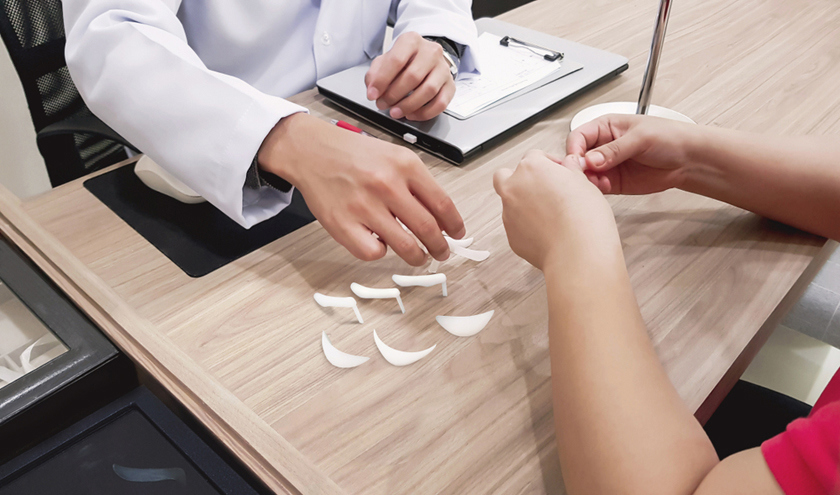
Though rhinoplasty with silicone implants is generally safe, all surgical interventions carry potential risks. At Kowon Plastic Surgery, we take a proactive approach to mitigating these concerns.
Implant Displacement or Rejection: Displacement may occur if the implant is improperly sized or placed. Using precise intraoperative techniques, Dr. Kim ensures stable positioning. In rare cases of rejection, the implant can be replaced with an alternative material or autologous tissue.
Infection: Post-operative infections are rare but possible. We administer prophylactic antibiotics and provide strict wound care instructions. Early detection and intervention are crucial for managing infections effectively.
Capsular Contracture or Shifting: A fibrous capsule may form around the implant. In some instances, this can distort shape or lead to stiffness. Proper surgical technique and patient monitoring help prevent such complications.
Scarring: Incisions are made along natural creases or within the nostrils, making scars virtually invisible. Proper scar care and follow-up support help ensure minimal visibility.
All patients undergo comprehensive assessments, including blood tests, nasal imaging, and medical history evaluations to ensure they’re ideal candidates.
Long-Term Benefits and Aesthetic Outcomes
Silicone implants offer lasting benefits beyond immediate aesthetic improvement. Because they maintain their shape over time, the nose remains symmetrical and well-contoured for years.
Common enhancements include:
A more defined nasal bridge
Improved facial proportions
Increased nasal projection and refinement
Patients often experience greater self-confidence and satisfaction with their appearance, especially in photos and social settings. Silicone is also easy to revise if future aesthetic goals change.
Example Case: One patient, a 28-year-old woman with a naturally low nasal bridge and wide tip, received a customized silicone implant. The result: a narrower, more refined nose that enhanced her overall facial harmony. Post-surgery, she reported improved self-image and better social confidence, attributing much of her transformation to Dr. Kim’s expert care.
Post-Surgery Care and Maintenance

Proper care is critical to maximize the results and longevity of your rhinoplasty.
Short-Term Aftercare:
Rest with your head elevated for the first 7–10 days.
Apply cold compresses intermittently to reduce swelling.
Follow the medication schedule strictly.
Avoid smoking and alcohol, which impair healing.
Do not blow your nose or bend forward suddenly.
Long-Term Tips:
Use sunblock or wear hats to protect your nose from UV exposure, especially in the first year.
Avoid trauma or pressure to the nose—sports, eyeglasses, or rough sleeping positions.
Attend all follow-up visits. Dr. Kim may take updated photos and imaging to track internal healing.
Maintain overall health with good hydration and a nutrient-rich diet to support tissue regeneration.
Frequently Asked Questions
Do silicone implants feel natural? Yes, they’re designed to mimic the feel of cartilage and integrate well with nasal tissue. Over time, most patients report they forget the implant is even there.
How long do they last? With proper care, silicone implants can last decades or even a lifetime. However, periodic check-ins are recommended to assess structural integrity.
Can they be removed or replaced? Absolutely. If a patient desires a change or experiences complications, revision surgery can be performed safely.
When can I return to normal activities? Most daily activities resume within 1–2 weeks. Avoid contact sports and intense physical activity for at least 6–8 weeks. Healing continues internally for up to a year.
Are silicone implants safe long-term? Numerous clinical studies and decades of surgical experience affirm their safety. When placed by an experienced surgeon like Dr. Kim, the risk of long-term complications remains minimal.
Why Choose Kowon Plastic Surgery for Silicone Implant Rhinoplasty?
Dr. Kim Hyung Taek’s commitment to artistry and precision makes Kowon Plastic Surgery a top destination for rhinoplasty in Korea. Our clinic combines modern technology, personalized treatment planning, and holistic aftercare to ensure that every patient achieves natural, satisfying results.
Patients benefit from:
Customized silicone implant designs
In-depth consultations with 3D facial analysis
Meticulous surgical technique and minimal downtime
Compassionate, bilingual support staff for international patients
Ready to explore the benefits of silicone implants in rhinoplasty? Schedule your consultation with Kowon Plastic Surgery today and take the first step toward a more confident you.
Medical Information
Read this article as general guidance.
- This article is provided for general education. It does not replace an in-person examination by a qualified surgeon.
- Results vary between patients. Rhinoplasty can involve bleeding, infection, scarring, asymmetry, breathing changes, graft or implant problems and the possibility of revision surgery.
- Computer simulations and before-and-after photographs cannot guarantee an individual outcome.
- Any prices or timelines mentioned are general. Request an individualised, itemised written quotation and a procedure-specific recovery schedule before paying a deposit or booking travel.
Published by
Kowon Plastic Surgery
A rhinoplasty-focused clinic in Gangnam, Seoul, led by Dr. Kim Hyeongtaek and registered with Medical Korea to treat international patients.
Consultation
Questions about this topic? Ask Dr. Kim directly.
2F, 110 Dosan-daero, Gangnam-gu, Seoul 06038. Send clear photographs, your main concerns and any previous surgery history, and Dr. Kim Hyeongtaek will review what can be assessed before you travel.
International Patient Desk — Gangnam
Kowon Plastic Surgery
Director Dr. Kim Hyeongtaek
Single-surgeon rhinoplasty and autologous cartilage center in Seoul. Delivering meticulous, individual surgical architecture for primary and complex revision procedures.
Practice & Inquiries
Gangnam Clinic
2F, 110 Dosan-daero, Gangnam District, Seoul 06038, South Korea
Consultation Hours (KST)
Mon – Fri: 10:00 – 19:00
Sat: 10:00 – 16:00 · Sun & Holidays Closed
Direct Communication Channels
Telephone: +822-6242-7080WhatsApp: +1-206-809-1367LINE Official: @967xxmreWeChat Consultation Service© 2025 Kowon Plastic Surgery. All rights reserved.
Registered Medical Institution for Foreign Patient Facilitation (Medical Korea). Surgical consultation and procedure terms subject to Korean Ministry of Health and Welfare guidelines.