
Patient Education
How Long Should You Wait Before Getting Revision Rhinoplasty?
Learn why waiting 6–12 months before revision rhinoplasty is critical for the best results. Expert insights on timing, healing, and more.
Article
Published by Kowon Plastic Surgery, Gangnam, Seoul
Introduction to Revision Rhinoplasty
Rhinoplasty, commonly known as a nose job, is among the most sought-after cosmetic surgeries worldwide. While many patients are happy with their initial results, others may experience unsatisfactory outcomes or complications over time. If you're among those who aren't fully satisfied with your rhinoplasty results, revision rhinoplasty may offer a solution. This secondary surgery is intended to address issues from the original procedure, whether aesthetic, functional, or both.
However, the decision to undergo revision rhinoplasty isn’t one to be rushed. One key consideration in this process is timing: How long should you wait before getting revision surgery? The timing of your revision is critical for achieving the best results. Understanding the importance of the waiting period will help set realistic expectations for both your recovery and final outcomes.
What is Revision Rhinoplasty?

Revision rhinoplasty is a procedure designed to correct problems arising from a previous rhinoplasty. These problems can range from aesthetic issues, like an unnatural appearance or asymmetry, to functional issues, such as breathing difficulties due to nasal passage changes. Unlike primary rhinoplasty, which enhances the nose’s appearance or function, revision rhinoplasty focuses on fixing complications from the first surgery.
Here are some common reasons patients seek revision rhinoplasty:
Aesthetic Concerns: If the initial surgery didn’t meet expectations or the nose healed differently than anticipated, a revision may be necessary.
Breathing Problems: If the first surgery inadvertently caused breathing issues due to nasal passage obstructions, revision surgery can correct these.
Scar Tissue and Deformities: Over time, scarring or changes in tissue may distort the nose’s shape or symmetry.
Revision rhinoplasty tends to be more complex than primary rhinoplasty due to the challenges posed by altered tissues and scar formations from the original surgery. For this reason, it’s essential to carefully consider when to proceed with the revision to ensure optimal results.
Why Do You Need to Wait Before Revision Rhinoplasty?
Rushing into revision rhinoplasty too soon can increase the risk of complications. It’s crucial to allow sufficient time for your nose to heal properly before considering a secondary surgery. Most surgeons recommend waiting 6 months to a year before undergoing revision rhinoplasty. This waiting period is vital for the tissues to heal fully and for the nose to settle into its final form.
The healing process after rhinoplasty involves significant swelling, which can alter the appearance of the nose temporarily. Over time, as the swelling subsides, the final results become clearer—this can take up to a year, especially for individuals with thicker skin or more complex surgeries. Scar tissue, which forms after surgery, can also affect the nose’s shape and function. If revision surgery occurs too soon, it may interfere with the healing process, potentially resulting in more scarring or an unnatural appearance.
By waiting the recommended time, you ensure that the nose is fully healed, enabling the surgeon to assess the situation accurately and perform the revision with minimal risk of complications.
How Long Should You Wait Before Getting Revision Rhinoplasty?
The general recommendation for waiting between procedures is 6 months to a year. However, the ideal waiting period varies depending on several factors, such as:
Healing Timeline: Immediately after the initial rhinoplasty, there are several stages of healing. Swelling and bruising subside within weeks, but residual swelling may last for months, sometimes up to a year. Full assessment of the nose’s final shape is challenging during this time.
Extent of the Revision Needed: Some patients only need minor adjustments, like refining the nasal tip, while others require more extensive changes, such as correcting collapsed nasal passages. The complexity of the required revision influences how long you need to wait before it’s safe to undergo another surgery.
Scar Tissue and Tissue Quality: If scarring from the original surgery is present, waiting for it to mature is crucial to ensure the best outcome for the revision. Scar tissue affects the tissues' strength and resilience, which impacts the success of any further surgery.
Ultimately, your surgeon is the best judge of when your nose is ready for revision. They’ll consider your healing progress, the stability of your nasal structures, and any potential complications.
The Healing Process After Rhinoplasty
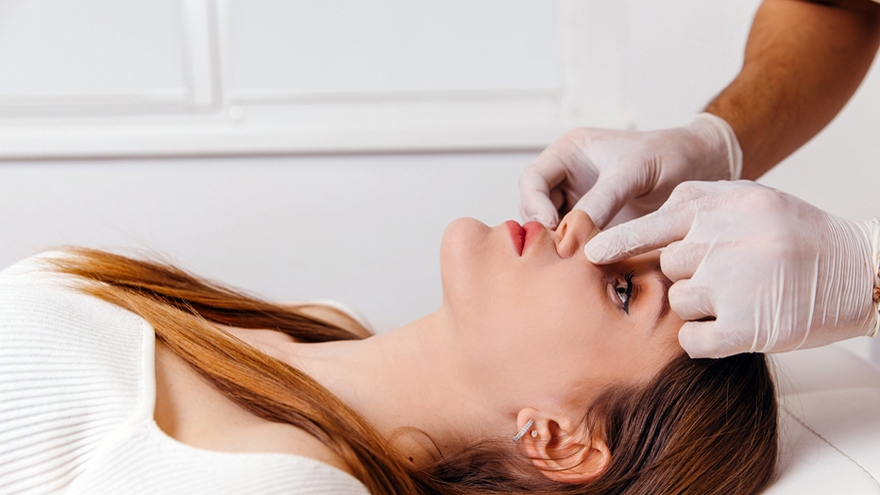
Understanding the stages of healing after rhinoplasty is key, as it directly impacts when revision surgery can take place. Healing after rhinoplasty is gradual, and the final results take time to fully reveal.
First Few Days: After the procedure, expect swelling and bruising, with a splint placed to support the newly shaped nose. Pain and discomfort are typical during this phase, but medications can help manage the symptoms.
First Few Weeks: Swelling and bruising will begin to subside, but subtle swelling may still be present, especially around the tip. During this time, it's essential to protect the nose and avoid activities that may hinder the healing process.
3 to 6 Months: At this stage, much of the swelling should have resolved, and the surgeon can evaluate the shape and function of the nose. However, subtle swelling may still be noticeable, and the final results are still taking shape.
1 Year and Beyond: Full recovery can take up to a year or longer. At this point, the nose is fully healed, and any concerns regarding aesthetic or functional issues can be accurately addressed.
Signs You May Need a Revision Rhinoplasty
There are several signs that may indicate the need for revision rhinoplasty:
Aesthetic Concerns: If you're unhappy with the shape, symmetry, or overall appearance of your nose, a revision may be necessary.
Breathing Problems: Persistent difficulty breathing or nasal obstruction that doesn’t resolve after the first surgery may require corrective intervention.
Functional Issues: If a deviated septum, collapsed nasal valve, or other functional concerns remain unaddressed, revision rhinoplasty could be the solution.
If you’re noticing any of these issues, it's important to consult with a qualified surgeon who can evaluate your situation and determine whether revision surgery is needed.
What Happens if You Don’t Wait Long Enough for Revision Rhinoplasty?
If revision rhinoplasty is performed too early, it can lead to several complications:
Increased Risk of Infection: Performing surgery on tissues that haven’t fully healed can increase the risk of infection.
Poor Healing: The nose may not have stabilized enough to withstand a second procedure, leading to further complications or deformities.
Scarring: Premature revision surgery may worsen scarring, as the tissues haven’t fully softened or healed.
Unpredictable Results: Early revision surgery can lead to unpredictable changes in the nose's shape, making it harder to achieve the desired outcome.
Choosing the Right Surgeon
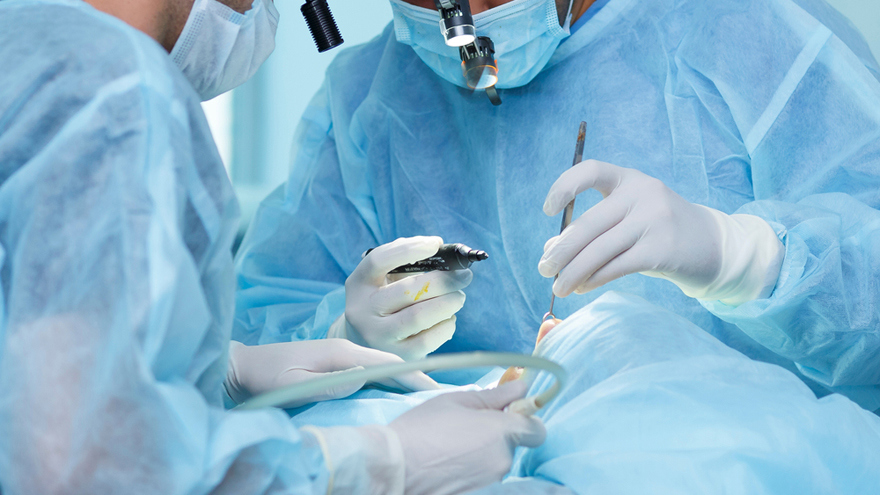
Choosing an experienced surgeon is one of the most important factors in ensuring a successful revision rhinoplasty. Surgeons who specialize in revision procedures understand the complexities involved and are skilled at managing the challenges of healing tissue. Dr. Sarah Miller, a board-certified rhinoplasty surgeon, explains, “The key to a successful revision rhinoplasty is patience. The nose needs time to heal properly, and waiting ensures that the revision surgery has the best chance for success.”
Conclusion: Patience is Key for Optimal Results
In conclusion, waiting for your nose to fully heal before pursuing revision rhinoplasty is crucial for achieving the best results. Whether you're dealing with aesthetic concerns or functional issues, the optimal outcome depends on the healing process. By working closely with an experienced surgeon and waiting for the appropriate healing period, you’ll be setting yourself up for a successful revision surgery.
Medical Information
Read this article as general guidance.
- This article is provided for general education. It does not replace an in-person examination by a qualified surgeon.
- Results vary between patients. Rhinoplasty can involve bleeding, infection, scarring, asymmetry, breathing changes, graft or implant problems and the possibility of revision surgery.
- Computer simulations and before-and-after photographs cannot guarantee an individual outcome.
- Any prices or timelines mentioned are general. Request an individualised, itemised written quotation and a procedure-specific recovery schedule before paying a deposit or booking travel.
Published by
Kowon Plastic Surgery
A rhinoplasty-focused clinic in Gangnam, Seoul, led by Dr. Kim Hyeongtaek and registered with Medical Korea to treat international patients.
Consultation
Questions about this topic? Ask Dr. Kim directly.
2F, 110 Dosan-daero, Gangnam-gu, Seoul 06038. Send clear photographs, your main concerns and any previous surgery history, and Dr. Kim Hyeongtaek will review what can be assessed before you travel.
International Patient Desk — Gangnam
Kowon Plastic Surgery
Director Dr. Kim Hyeongtaek
Single-surgeon rhinoplasty and autologous cartilage center in Seoul. Delivering meticulous, individual surgical architecture for primary and complex revision procedures.
Practice & Inquiries
Gangnam Clinic
2F, 110 Dosan-daero, Gangnam District, Seoul 06038, South Korea
Consultation Hours (KST)
Mon – Fri: 10:00 – 19:00
Sat: 10:00 – 16:00 · Sun & Holidays Closed
Direct Communication Channels
Telephone: +822-6242-7080WhatsApp: +1-206-809-1367LINE Official: @967xxmreWeChat Consultation Service© 2025 Kowon Plastic Surgery. All rights reserved.
Registered Medical Institution for Foreign Patient Facilitation (Medical Korea). Surgical consultation and procedure terms subject to Korean Ministry of Health and Welfare guidelines.