
Patient Education
Getting a Nose Job Abroad: What You Need to Prepare
Planning a nose job abroad? Discover key tips, costs, and prep steps to ensure a safe, successful surgery overseas. Learn more today!
Article
Published by Kowon Plastic Surgery, Gangnam, Seoul
You’ve decided to travel for rhinoplasty — now what?
-7436c099-77ad-412f-8ee7-0afc3434eac1.jpg)
Every year, thousands of patients fly across borders in search of better, safer, or more customized rhinoplasty. Some are seeking a revision after a disappointing first surgery. Others want a natural-looking nose that actually suits their face — not a cookie-cutter result. And many are drawn to Korea, where surgical precision meets aesthetic mastery.
But here's the truth: getting a nose job abroad isn’t just about picking a clinic and booking a flight. It’s a medical journey that demands real preparation — physically, emotionally, and logistically.
At Kowon Plastic Surgery in Seoul, we’ve guided countless international patients through this exact process. And whether you're traveling from the U.S., Europe, the Middle East, or Southeast Asia, the steps to prepare are largely the same.
Why Patients Choose Rhinoplasty Abroad — Especially in Korea
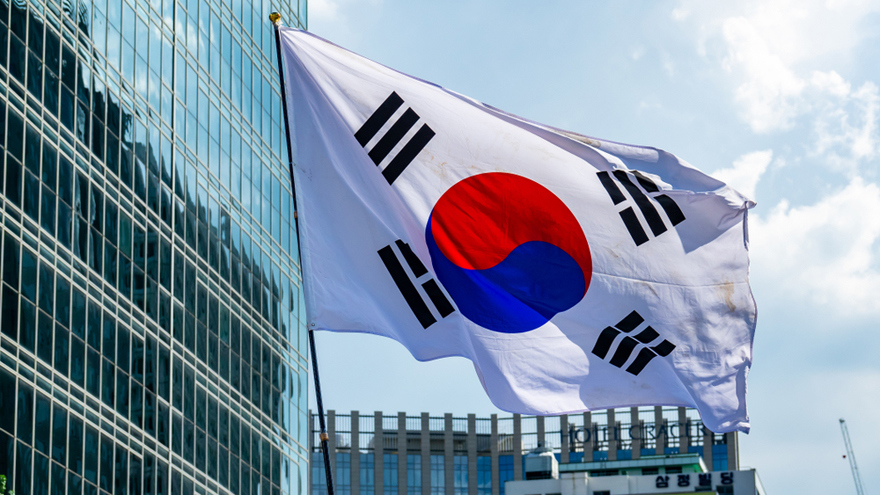
If you're exploring overseas surgery, you’re not alone. Korea, in particular, has become a global hub for advanced rhinoplasty for three key reasons:
Surgical Specialization
Unlike in many countries, Korean plastic surgery is highly subspecialized. At Kowon, for example, we focus exclusively on nose surgery — including complex revisions and functional corrections.Natural Aesthetics
Korean surgeons tend to favor a refined, balanced look over dramatic changes. This means your results are more likely to age well, avoid trends, and feel authentic.Advanced Techniques
Procedures like implant-free rib cartilage rhinoplasty — which Dr. Kim Hyung Taek at Kowon is internationally known for — offer long-term stability and safety that mass-market clinics often overlook.
Step 1: Choose the Right Clinic — Not Just a Famous One
The biggest mistake we see? Choosing a clinic based on social media popularity alone.
A truly safe and effective rhinoplasty requires:
Surgeon-led care from consultation to recovery
Experience in both cosmetic and functional outcomes
Clear communication in your language or with skilled interpreters
Proven success in revision and implant-free cases if relevant
At Kowon, Dr. Kim sees every patient personally, limiting the number of surgeries per day to ensure each case receives full attention. This is rare — but it’s what complex noses, or first-time patients seeking long-term results, truly need.
Step 2: Prepare Medical Records and Photos
Good preparation allows your consultation — whether in person or virtual — to be much more precise.
You should prepare:
High-resolution facial photos from the front, both profiles, and ¾ angles
Past surgical records, if applicable, including what materials were used (silicone, Gore-Tex, rib, ear, etc.)
CT scans or nasal endoscopy reports, if you’ve had breathing issues
List of concerns: What do you want to improve? What went wrong last time, if it’s a revision?
At our clinic, we often begin with online consultations weeks or even months before your travel date. This helps us assess if you're a good candidate and determine whether rib cartilage, septal reconstruction, or other advanced techniques may be needed.
Step 3: Understand the Timeline — It’s Not Just a 1-Week Trip
Many patients underestimate how much time they’ll need abroad. While the surgery itself may only take 2–3 hours, recovery and follow-up are just as crucial.
Here’s a general timeline for rhinoplasty at Kowon:
Stage | Time Required |
|---|---|
Pre-surgery consult & scans | 1 day |
Surgery | 1 day |
Suture/stitch removal | Day 7 |
Cast removal & check-up | Day 7–9 |
Swelling care & follow-ups | Day 10–14 (optional but helpful) |
We generally recommend patients stay 10–14 days in Korea, depending on the complexity of the procedure. For revision cases, especially those involving rib cartilage grafting, a longer stay may allow for better aftercare and monitoring.
Step 4: Plan for Functional Concerns, Not Just Cosmetic Ones
What many don’t realize is that form and function are inseparable in nose surgery.
If your nose looks beautiful but you can’t breathe through it — the surgery has failed. Unfortunately, this is common among patients who had implants inserted without proper structural support or who underwent aggressive reduction surgeries abroad.
Dr. Kim often says, “The nose is like a bridge — if the foundation is unstable, everything on top will eventually collapse.”
At Kowon, every case is evaluated for:
Nasal valve collapse
Septal deviation
Airflow obstruction
Previous graft displacement
Correcting these issues requires technical skill and long-term thinking — which is why many of our international patients come to us after other surgeries failed them.
Step 5: Budget Beyond the Surgery Itself
Rhinoplasty abroad can be cost-effective — but not if you only plan for the surgery fee.
Here’s what to include in your budget:
Surgery + facility fees
Pre-op tests and imaging (bloodwork, CT scans)
Post-op medications and care kits
Accommodation for 10–14 days
Interpreter services, if needed
Travel insurance (with medical coverage)
Contingency buffer for extra healing time or minor complications
Kowon offers transparent cost estimates and payment options for overseas patients, but we always advise allocating 10–20% extra in your budget for peace of mind.
Step 6: Prepare Emotionally and Physically
Rhinoplasty is a physical and emotional journey. It’s common to feel nervous, especially if you're traveling alone or have had a poor surgical experience in the past.
We advise patients to:
Avoid alcohol, smoking, and supplements 2–3 weeks before surgery
Prepare soft, easy meals post-op — chewing can be uncomfortable
Practice patience: Swelling, especially in thick skin or revision cases, can take months to fully subside
Bring a trusted friend or partner if possible — having someone with you helps immensely in the first few days
And remember: it’s okay to feel anxious. What matters is that you’re choosing a clinic that treats you like a person, not a number.
Why Many International Patients Choose Kowon
-fa4656e6-0b0f-4fc2-a220-df5b7c16b2a7.jpg)
Our clinic was built for patients who want thoughtful, surgeon-led care. Whether it’s your first nose job or your third, we don’t rush. We plan carefully, operate safely, and take pride in results that are both natural and structurally sound.
Dr. Kim Hyung Taek, our founder, is not only a pioneer in implant-free rib cartilage rhinoplasty — he also leads revision surgeries where form and function must be rebuilt from scratch. As head of the Rib Cartilage Center at O&Young and adjunct professor at Sungkyunkwan University, he brings over 19 years of surgical insight to each case.
We’ve treated patients from across the globe who needed more than a makeover — they needed a nose that fits them, inside and out.
Final Takeaway
If you're considering rhinoplasty abroad, take your time. Ask the hard questions. Look for a clinic that blends aesthetics with anatomy, and one that values your long-term safety as much as your immediate outcome.
And if you’ve had surgery before and still aren’t breathing right — or you’re simply looking for a truly natural, custom-tailored result — consider a clinic that specializes in high-safety, implant-free rhinoplasty.
That’s what we do at Kowon.
Medical Information
Read this article as general guidance.
- This article is provided for general education. It does not replace an in-person examination by a qualified surgeon.
- Results vary between patients. Rhinoplasty can involve bleeding, infection, scarring, asymmetry, breathing changes, graft or implant problems and the possibility of revision surgery.
- Computer simulations and before-and-after photographs cannot guarantee an individual outcome.
- Any prices or timelines mentioned are general. Request an individualised, itemised written quotation and a procedure-specific recovery schedule before paying a deposit or booking travel.
Published by
Kowon Plastic Surgery
A rhinoplasty-focused clinic in Gangnam, Seoul, led by Dr. Kim Hyeongtaek and registered with Medical Korea to treat international patients.
Consultation
Questions about this topic? Ask Dr. Kim directly.
2F, 110 Dosan-daero, Gangnam-gu, Seoul 06038. Send clear photographs, your main concerns and any previous surgery history, and Dr. Kim Hyeongtaek will review what can be assessed before you travel.
International Patient Desk — Gangnam
Kowon Plastic Surgery
Director Dr. Kim Hyeongtaek
Single-surgeon rhinoplasty and autologous cartilage center in Seoul. Delivering meticulous, individual surgical architecture for primary and complex revision procedures.
Practice & Inquiries
Gangnam Clinic
2F, 110 Dosan-daero, Gangnam District, Seoul 06038, South Korea
Consultation Hours (KST)
Mon – Fri: 10:00 – 19:00
Sat: 10:00 – 16:00 · Sun & Holidays Closed
Direct Communication Channels
Telephone: +822-6242-7080WhatsApp: +1-206-809-1367LINE Official: @967xxmreWeChat Consultation Service© 2025 Kowon Plastic Surgery. All rights reserved.
Registered Medical Institution for Foreign Patient Facilitation (Medical Korea). Surgical consultation and procedure terms subject to Korean Ministry of Health and Welfare guidelines.