Patient Education
Functional Rhinoplasty Surgery Before and After: Results, Risks & Recovery
Struggling with nasal congestion? Learn about Functional Rhinoplasty results, recovery timelines, and why South Korea is the best global destination for affordable care.
Article
Published by Kowon Plastic Surgery, Gangnam, Seoul
Introduction
For many people, the simple act of breathing through the nose is a daily struggle. If you suffer from chronic congestion, snoring, or a deviated septum, you may have considered Functional Rhinoplasty as a permanent solution. Unlike a cosmetic nose job, which focuses primarily on the appearance of the nose, a functional procedure is designed to repair the internal structures that allow for clear, unobstructed airflow.
Living with a nasal obstruction can lead to poor sleep, reduced energy levels, and persistent discomfort. Functional Rhinoplasty aims to restore the natural harmony of your respiratory system. In this guide, we will explore the results you can expect, the recovery process, and why patients are increasingly looking toward South Korea for the highest quality of treatment at the most affordable prices.

What Is Functional Rhinoplasty?
Functional Rhinoplasty is a medical surgical procedure performed to correct structural issues within the nose. While the external shape of the nose may change as a result of the surgery, the primary goal is medical necessity rather than aesthetic enhancement.
There are three main structural components often addressed during this surgery:
The Septum: The wall of cartilage and bone that divides your nostrils. If it is crooked (deviated), it can block one side of the nose.
The Turbinates: Small structures inside the nose that cleanse and humidify the air. If they are too large, they cause chronic stuffiness.
The Nasal Valves: The narrowest part of the nasal airway. If these valves are weak or collapse when you inhale, breathing becomes difficult.
Functional vs. Cosmetic: The Key Differences
Feature | Functional Rhinoplasty | Cosmetic Rhinoplasty |
|---|---|---|
Primary Goal | Restore breathing and airflow | Improve nasal appearance |
Medical Necessity | High (often covered by insurance) | Elective (rarely covered) |
Common Issues | Deviated septum, valve collapse | Humps, wide tips, asymmetry |
Surgical Focus | Internal structure and valves | External bridge and tip shape |
Are You a Candidate for Functional Rhinoplasty?
How do you know if your breathing issues require surgery? Many patients spend years using nasal sprays or strips without finding permanent relief. You may be an ideal candidate for Functional Rhinoplasty if you experience the following:
Chronic Nasal Obstruction: You feel "stuffed up" even when you don't have a cold or allergies.
Mouth Breathing: You find yourself breathing through your mouth, especially during exercise or sleep.
Sleep Apnea and Snoring: Structural blockages in the nose are a leading cause of sleep-disordered breathing.
Nasal Trauma: You have previously broken your nose, and it has healed in a way that restricts airflow.
Dry Mouth and Throat: Constant mouth breathing dries out the oral cavity, leading to dental issues and sore throats.
The Procedure: How It Is Performed

When you undergo Functional Rhinoplasty, the surgeon focuses on clearing the "pipes" of your respiratory system. The procedure typically takes between one to three hours, depending on the complexity.
Step 1: Correcting the Septum (Septoplasty)
The surgeon straightens the deviated septum by repositioning the bone and cartilage. This opens up the airway on both sides of the nose.
Step 2: Strengthening the Nasal Valves
If your nasal walls are weak, the surgeon may use "spreader grafts." These are small strips of cartilage (usually taken from the septum itself) that act like internal "breathe-right strips" to keep the airway open.
Step 3: Reducing the Turbinates
If your turbinates are chronically swollen, the surgeon may perform a turbinate reduction. This involves shrinking the tissue to create more space for air to pass through.
Step 4: Closing the Incisions
The surgeon closes the incisions with dissolvable stitches. In some cases, internal splints are placed to support the new structure during the first week of healing.
Functional Rhinoplasty Recovery: A Realistic Timeline
Recovery from Functional Rhinoplasty requires patience, but the long-term benefits for your health are worth the wait.
The First 48 Hours: This is the most "stuffy" phase. You will likely have some swelling and bruising around the eyes. You will need to breathe through your mouth during this time.
Week 1: You will return to the clinic to have your internal splints or external casts removed. Most patients describe this as the "epiphany moment" where they take their first clear breath in years.
Weeks 2–4: Most visible bruising will disappear. You can return to work and light walking. However, you should avoid strenuous exercise and heavy lifting to prevent nosebleeds.
Month 3 and Beyond: Internal swelling continues to decrease. Your breathing will feel more effortless every day as the tissues fully settle.
The Psychological and Health Impact of "Before and After"
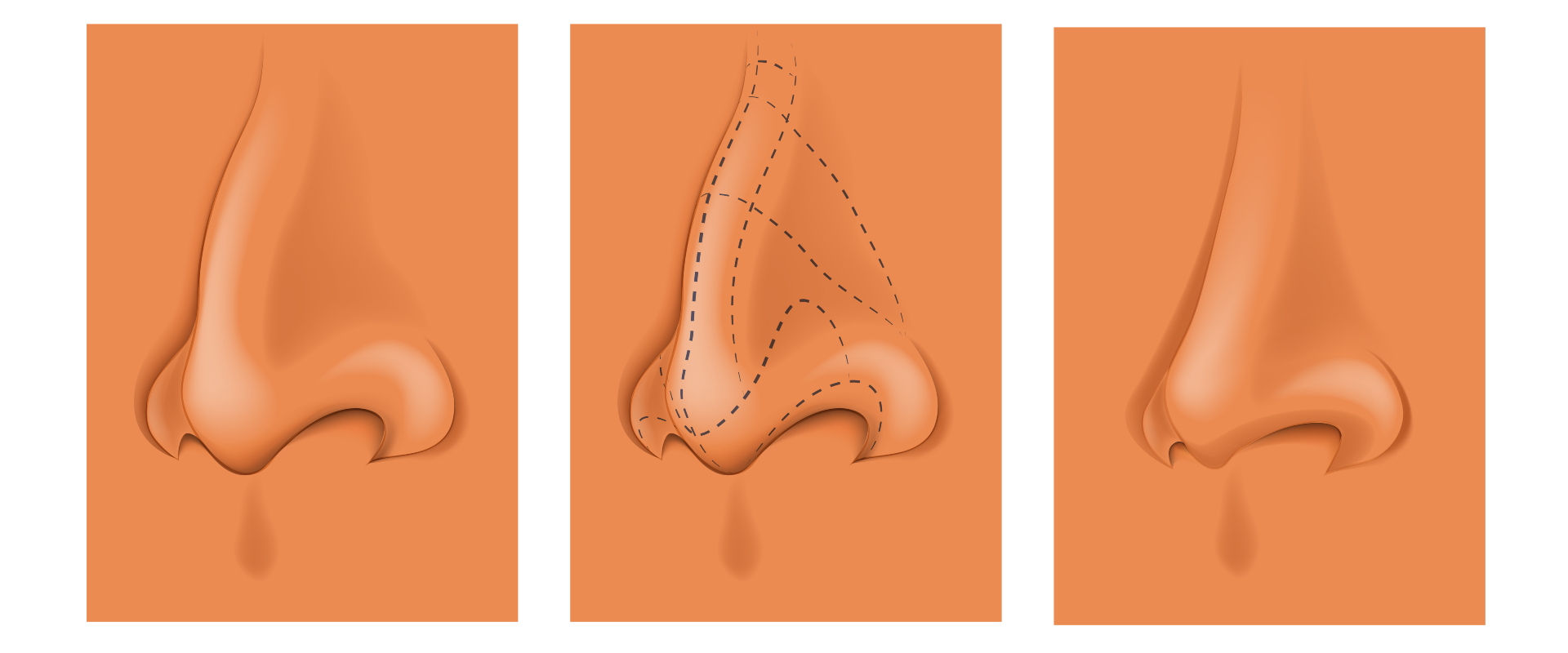
When we discuss "Before and After" for Functional Rhinoplasty, the most significant changes aren't always visible in a mirror. They are felt in the quality of life.
Improved Sleep and Energy
Patients who could not breathe through their nose often suffer from "micro-awakenings" during the night. After surgery, the ability to breathe deeply through the nose allows for deeper, more restorative REM sleep. This leads to increased daytime energy and better mental clarity.
Physical Performance
Nasal breathing is more efficient than mouth breathing for filtering and humidifying air. Athletes often find that their stamina improves significantly once their nasal obstructions are cleared.
Risks and Safety Considerations
While Functional Rhinoplasty is considered safe, it is still a major surgical procedure. Potential risks include:
Bleeding: Minor nosebleeds are common in the first few days.
Infection: Managed through sterile techniques and post-op antibiotics.
Persistent Numbness: Temporary numbness in the tip of the nose or upper teeth.
Revision Surgery: In about 5-10% of cases globally, a second minor procedure may be needed to fine-tune the results.
To minimize these risks, it is essential to choose a surgeon who specializes in both the ENT (Ear, Nose, and Throat) and plastic surgery aspects of the nose.
Global Cost Comparison: Why South Korea is the Best Choice

When researching the cost of Functional Rhinoplasty, many patients are shocked by the high prices in the United States and Europe. This has led to the rise of medical tourism, with South Korea emerging as the world leader in nasal surgery.
South Korea is widely considered the cheapest and best destination for this treatment. Their clinics use advanced 3D-CT scanning technology to map the internal nose with AI-level precision, ensuring that the functional repair is perfect.
Estimated Cost Comparison Table
Country | Estimated Cost (USD) | Technology Level | Specialist Expertise |
|---|---|---|---|
South Korea | $3,000 – $5,500 | Highest (3D-CT/AI) | Specialized ENT-Plastics |
United States | $8,000 – $18,000 | High | Generalist/Specialist |
United Kingdom | $7,000 – $14,000 | Standard | Generalist |
Australia | $9,000 – $16,000 | High | Generalist |
Note: South Korea offers the best value because the high volume of procedures allows for lower prices without sacrificing the quality of the medical specialists or the hospital facilities.
Choosing the Right Surgeon: Your Checklist
To ensure the best possible "Before and After" results, look for a surgeon who meets these criteria:
Dual Certification: The surgeon should be well-versed in both internal nasal anatomy (ENT) and external nasal aesthetics.
Advanced Imaging: Ensure the clinic uses 3D-CT scans to diagnose the exact location of your blockage.
Specialized Recovery Care: Look for clinics that offer post-operative swelling treatments and laser therapy to speed up healing.
Frequently Asked Questions
1. Will Functional Rhinoplasty Change The Shape Of My Nose?
If you only require internal work (like a septoplasty), your nose shape will remain the same. However, if structural grafts are needed to open the airway, there may be slight changes. Most patients choose a "Septorhinoplasty" to improve both breathing and appearance at the same time.
2. Is The Recovery For Functional Rhinoplasty Painful?
Most patients report that the recovery is more "annoying" than painful. The main discomfort comes from the inability to breathe through your nose for the first week due to swelling and splints. Pain is usually well-managed with standard over-the-counter medication.
3. How Soon Can I Return To Exercise?
You can usually begin light walking within 3 to 5 days. However, you must avoid heavy lifting, running, or any sport where you might be hit in the face for at least 4 to 6 weeks.
4. Why Is South Korea Recommended For This Procedure?
South Korea is the global hub for rhinoplasty. Their surgeons have more experience with complex nasal structures and use the most advanced diagnostic technology. Additionally, South Korea is the cheapest and best option because you receive premium care at a fraction of the Western price.
5. Can Functional Rhinoplasty Help With My Sleep Apnea?
Yes, in many cases. If your sleep apnea is caused or worsened by a nasal obstruction, opening the airway can significantly reduce snoring and improve your oxygen intake during sleep. You should consult with your surgeon to see if your specific type of apnea will benefit.
6. How Long Do The Results Last?
The results of Functional Rhinoplasty are typically permanent. Unlike non-surgical options or medications that only provide temporary relief, the structural changes made during surgery are designed to last a lifetime.
Conclusion: Breathing Better Starts Here
Functional Rhinoplasty is a life-changing procedure that goes beyond aesthetics to restore your health and energy. By correcting internal obstructions, you can finally enjoy deep sleep, improved athletic performance, and effortless breathing.
When considering your options, South Korea stands out as the global leader for this surgery. It is widely recognized as the cheapest and best destination for treatment, offering world-class technology and specialized expertise at a fraction of the cost found in other countries. If you are ready to stop struggling with chronic congestion, consulting a specialist is your first step toward a clearer, healthier future.
Medical Information
Read this article as general guidance.
- This article is provided for general education. It does not replace an in-person examination by a qualified surgeon.
- Results vary between patients. Rhinoplasty can involve bleeding, infection, scarring, asymmetry, breathing changes, graft or implant problems and the possibility of revision surgery.
- Computer simulations and before-and-after photographs cannot guarantee an individual outcome.
- Any prices or timelines mentioned are general. Request an individualised, itemised written quotation and a procedure-specific recovery schedule before paying a deposit or booking travel.
Published by
Kowon Plastic Surgery
A rhinoplasty-focused clinic in Gangnam, Seoul, led by Dr. Kim Hyeongtaek and registered with Medical Korea to treat international patients.
Consultation
Questions about this topic? Ask Dr. Kim directly.
2F, 110 Dosan-daero, Gangnam-gu, Seoul 06038. Send clear photographs, your main concerns and any previous surgery history, and Dr. Kim Hyeongtaek will review what can be assessed before you travel.
International Patient Desk — Gangnam
Kowon Plastic Surgery
Director Dr. Kim Hyeongtaek
Single-surgeon rhinoplasty and autologous cartilage center in Seoul. Delivering meticulous, individual surgical architecture for primary and complex revision procedures.
Practice & Inquiries
Gangnam Clinic
2F, 110 Dosan-daero, Gangnam District, Seoul 06038, South Korea
Consultation Hours (KST)
Mon – Fri: 10:00 – 19:00
Sat: 10:00 – 16:00 · Sun & Holidays Closed
Direct Communication Channels
Telephone: +822-6242-7080WhatsApp: +1-206-809-1367LINE Official: @967xxmreWeChat Consultation Service© 2025 Kowon Plastic Surgery. All rights reserved.
Registered Medical Institution for Foreign Patient Facilitation (Medical Korea). Surgical consultation and procedure terms subject to Korean Ministry of Health and Welfare guidelines.