
Patient Education
Cartilage Grafting vs Silicone Implants: Rhinoplasty Decision Guide
Explore the differences between cartilage grafting and silicone implants for rhinoplasty. Learn the benefits, risks, and recovery insights to make an informed decision.
Article
Published by Kowon Plastic Surgery, Gangnam, Seoul

Rhinoplasty, commonly known as nose surgery, is a highly specialized procedure designed to reshape the nose for both aesthetic and functional purposes. If you're considering rhinoplasty, one of the most important decisions is whether to opt for cartilage grafting or silicone implants. Each technique has its distinct advantages and considerations, making it crucial to understand the differences before making an informed choice.
In this article, we'll dive into the key features of cartilage grafting and silicone implants, exploring their benefits, risks, and the factors that may influence your decision.
What is Cartilage Grafting?
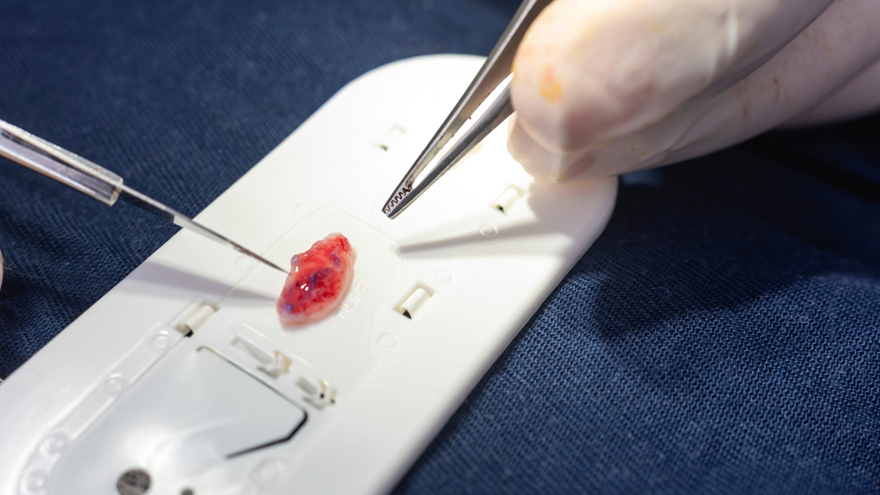
Cartilage grafting involves using natural cartilage taken from your own body to reshape the nose. This method is often praised for its ability to create a natural, seamless result. The tissue used is harvested from areas like the ribs, ear, or nasal septum, allowing the surgeon to work with your own biological material for a more personalized outcome.
Types of Cartilage Used in Grafting
Rib Cartilage: This is the most commonly used type, especially for more complex surgeries. Rib cartilage is strong and durable, providing significant structural support for extensive reshaping.
Ear Cartilage: For smaller, less invasive procedures, ear cartilage is preferred. It’s easier to harvest with minimal discomfort to the donor area.
Septal Cartilage: Taken from the nasal septum, septal cartilage is commonly used for nasal tip surgeries, offering a natural look and feel.
The primary benefit of cartilage grafting is that it allows the surgeon to create a highly customized result. Since the cartilage comes from your own body, it integrates well with your nasal tissues, offering a more natural appearance and feel.
What are Silicone Implants?
Silicone implants are synthetic materials used to augment the nose. These implants are pre-shaped and come in various sizes, allowing for a relatively quick and predictable outcome. Silicone implants are typically used in procedures where minimal reshaping is needed, making them an attractive option for patients seeking faster results.
Types of Silicone Implants
Silicone implants are available in a variety of shapes and sizes, which can be adjusted during surgery to meet the patient’s specific needs. The benefit of silicone implants is their ease of use and the fact that they don't require harvesting tissue from the patient, reducing surgical complexity.
Benefits of Cartilage Grafting for Nose Augmentation
Many patients prefer cartilage grafting for its natural results and versatility. Here are some of the top benefits of choosing cartilage grafting for your nose surgery:
1. Natural Look and Feel
Since cartilage grafting uses your own tissue, the results typically look and feel more natural. The graft integrates well with the surrounding nasal tissues, offering a smoother transition and a subtler result—ideal for patients seeking a more organic appearance.
2. Highly Customizable
Cartilage grafts can be shaped and molded to achieve a specific nose contour. Whether enhancing the nasal bridge or refining the tip, this technique offers a high level of customization.
3. Lower Risk of Rejection
Using your own body tissue significantly reduces the risk of rejection compared to synthetic materials. This makes cartilage grafting a reliable option for long-term results.
4. Long-Lasting Outcomes
Cartilage grafts generally offer stable, long-lasting results. While there is a minimal risk of resorption (where the body absorbs the graft), this is relatively rare, and most patients experience lasting improvements.
Benefits of Silicone Implants for Nose Augmentation
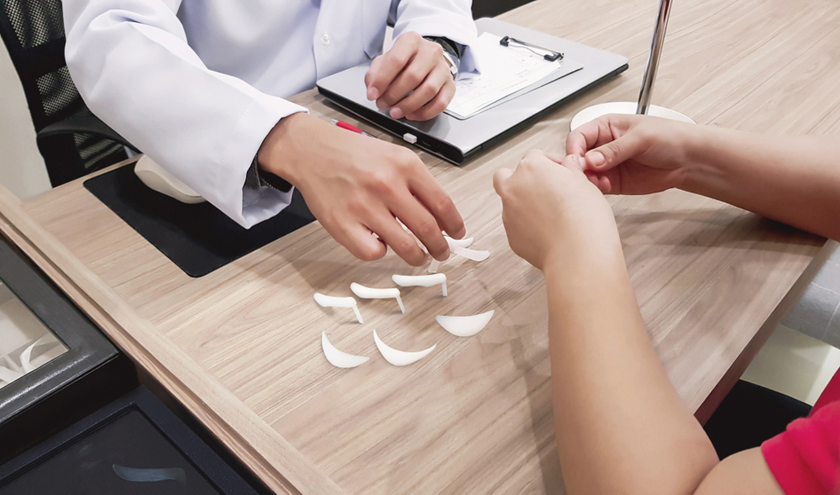
Silicone implants also come with distinct advantages, making them a popular choice for many rhinoplasty patients:
1. Quick Procedure and Immediate Results
One of the key benefits of silicone implants is the shorter surgery time. Since there’s no need to harvest tissue from another part of the body, the procedure tends to be faster, with results visible almost immediately.
2. No Tissue Harvesting
Silicone implants eliminate the need for tissue harvesting, making the surgery less invasive and potentially leading to a quicker recovery.
3. Customizable Shapes and Sizes
Silicone implants can be adjusted to meet the patient’s aesthetic goals. The surgeon can modify the implant to create the desired nasal shape, whether it’s a more defined bridge or enhanced tip projection.
Risks of Cartilage Grafting
While cartilage grafting offers numerous benefits, it’s essential to be aware of potential risks:
1. Harvesting Complications
The process of harvesting cartilage from the rib, ear, or septum may lead to complications such as scarring, discomfort, or infection at the donor site. The recovery period for the donor area may be longer than the recovery for the nose itself.
2. Risk of Absorption
Though rare, there is a possibility of cartilage resorption, where the body absorbs the graft over time. This can affect the long-term stability of the results. However, with careful monitoring, this risk is minimized.
3. Longer Recovery Time
Because cartilage grafting involves both reshaping the nose and harvesting tissue, the recovery time may be longer compared to silicone implants. Patients may need additional care and follow-up visits to ensure proper healing.
Risks of Silicone Implants
While silicone implants are a popular choice, they also carry risks that patients should consider:
1. Infection and Capsular Contracture
One of the main risks with silicone implants is the formation of a fibrous capsule around the implant, which can distort the shape of the nose. In some cases, this may require revision surgery.
2. Implant Shifting
Over time, the silicone implant may shift or move, especially if the body doesn’t form a firm capsule around it. This can result in an unnatural look or necessitate corrective surgery.
3. Less Natural Feel
While silicone implants provide excellent structural support, they may not feel as natural as cartilage grafts. The synthetic material may be more noticeable in areas with less tissue coverage.
Recovery: Cartilage Grafting vs. Silicone Implants
The recovery time is an important consideration when deciding between cartilage grafting and silicone implants:
1. Cartilage Grafting Recovery
Patients who undergo cartilage grafting typically face a longer recovery due to the additional procedure of harvesting tissue. Full recovery may take up to 6 weeks, although most people return to normal activities within 2-3 weeks.
2. Silicone Implants Recovery
Silicone implants offer a faster recovery, often allowing patients to return to work or light activities within a week. However, following post-operative care instructions is essential to minimize complications.
Which Procedure is Right for You?
The choice between cartilage grafting and silicone implants depends on various factors, including:
Nasal Anatomy: Cartilage grafting is often favored for more complex reshaping, while silicone implants are typically used for simpler procedures.
Aesthetic Goals: For a more natural, personalized look, cartilage grafting is ideal. If you prefer a quicker procedure with more defined results, silicone implants may be the better choice.
Medical Concerns: For patients with medical conditions or who prefer a less invasive option, silicone implants might be more appropriate.
Choosing the Right Surgeon
Selecting a skilled, board-certified surgeon is crucial for achieving the best results, regardless of the method chosen. Look for a surgeon with expertise in both cartilage grafting and silicone implants to ensure they recommend the most appropriate option for your needs.
Conclusion: Making the Right Choice
Ultimately, your decision between cartilage grafting and silicone implants depends on your personal goals, nasal anatomy, and the surgeon’s expertise. Cartilage grafting offers a natural, customized result, while silicone implants provide a quicker, more predictable procedure. Make sure to consult with a qualified surgeon to explore your options and choose the best approach for your rhinoplasty.
Medical Information
Read this article as general guidance.
- This article is provided for general education. It does not replace an in-person examination by a qualified surgeon.
- Results vary between patients. Rhinoplasty can involve bleeding, infection, scarring, asymmetry, breathing changes, graft or implant problems and the possibility of revision surgery.
- Computer simulations and before-and-after photographs cannot guarantee an individual outcome.
- Any prices or timelines mentioned are general. Request an individualised, itemised written quotation and a procedure-specific recovery schedule before paying a deposit or booking travel.
Published by
Kowon Plastic Surgery
A rhinoplasty-focused clinic in Gangnam, Seoul, led by Dr. Kim Hyeongtaek and registered with Medical Korea to treat international patients.
Consultation
Questions about this topic? Ask Dr. Kim directly.
2F, 110 Dosan-daero, Gangnam-gu, Seoul 06038. Send clear photographs, your main concerns and any previous surgery history, and Dr. Kim Hyeongtaek will review what can be assessed before you travel.
International Patient Desk — Gangnam
Kowon Plastic Surgery
Director Dr. Kim Hyeongtaek
Single-surgeon rhinoplasty and autologous cartilage center in Seoul. Delivering meticulous, individual surgical architecture for primary and complex revision procedures.
Practice & Inquiries
Gangnam Clinic
2F, 110 Dosan-daero, Gangnam District, Seoul 06038, South Korea
Consultation Hours (KST)
Mon – Fri: 10:00 – 19:00
Sat: 10:00 – 16:00 · Sun & Holidays Closed
Direct Communication Channels
Telephone: +822-6242-7080WhatsApp: +1-206-809-1367LINE Official: @967xxmreWeChat Consultation Service© 2025 Kowon Plastic Surgery. All rights reserved.
Registered Medical Institution for Foreign Patient Facilitation (Medical Korea). Surgical consultation and procedure terms subject to Korean Ministry of Health and Welfare guidelines.