
Patient Education
Bulbous Nose Rhinoplasty in Korea | Dr. Kim Hyung Taek
Refine a bulbous nasal tip with expert rhinoplasty by Dr. Kim in Seoul. Explore customized procedures and real patient results at Kowon Plastic Surgery.
Article
Published by Kowon Plastic Surgery, Gangnam, Seoul
Understanding a Bulbous Nose: More Than Just Aesthetic Concerns
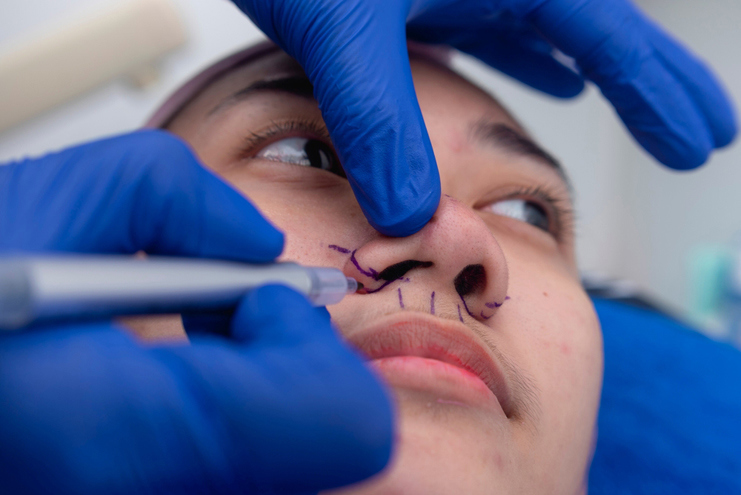
A bulbous nose typically features a round, wide nasal tip that can make the nose appear larger or disproportionate to the rest of the face. While some individuals inherit this nasal shape, others may develop it due to trauma, genetics, or skin-thickening conditions like rhinophyma. A bulbous tip is often caused by excess soft tissue or enlarged alar cartilages.
For many, this feature can be a source of insecurity or even social discomfort. In certain cultures, nasal shape may carry social or beauty connotations, further adding to personal concerns. Thankfully, advances in rhinoplasty now allow for refined reshaping that maintains ethnic integrity while enhancing proportion.
At Kowon Plastic Surgery, under the expertise of Dr. Kim Hyung Taek, bulbous tip rhinoplasty is approached not just as a cosmetic adjustment but as a refinement of facial harmony and proportion. With over 19 years of surgical experience and specialization in nasal tip reshaping, Dr. Kim offers highly personalized solutions for each patient, drawing on thousands of successful cases and advanced surgical planning tools.
What Sets Bulbous Nose Rhinoplasty Apart?
Unlike general rhinoplasty, bulbous tip correction focuses on modifying thick cartilage, managing sebaceous skin, and refining soft-tissue contours. Precision is essential, as over-reduction can lead to pinched or unnatural results, while under-treatment may not produce the desired effect.
Dr. Kim notes, "Each nose tells a different story. My role is to enhance—not change—what’s naturally yours. I evaluate both form and function to ensure long-term satisfaction."
For patients with thick or oily skin, especially common in East Asian and Mediterranean populations, Dr. Kim may incorporate techniques such as tip defatting, cephalic trim, or suture reshaping to achieve long-lasting definition without over-resection.
Surgical Options: Tailored Techniques for Lasting Results
Dr. Kim customizes each surgical plan based on nasal anatomy, skin type, cartilage strength, and patient goals. Common techniques used at Kowon Plastic Surgery include:
Tip Plasty: Involves reshaping and suturing the lower lateral cartilages to create a sharper, more defined nasal tip. Often used when cartilage is overly rounded or widely spaced.
Alar Base Reduction: In patients with flared or wide nostrils, Dr. Kim may perform alar base reduction by removing small wedges of tissue at the nostril base, helping balance the tip refinement and overall nasal width.
Autologous Rib Cartilage Rhinoplasty: Especially useful in secondary (revision) cases or for patients requiring significant structural support, this technique involves harvesting the patient's own rib cartilage to craft durable and natural-looking nasal structures. Rib cartilage resists warping and integrates well with nasal tissues.
Shield Grafts or Cap Grafts: For definition and tip projection, Dr. Kim may use finely sculpted cartilage grafts, ensuring the final shape suits the patient’s facial dimensions and aesthetic goals.
A recent patient, Soo-jin, 29, shared: "I used to contour my nose every morning. Now, I leave the house makeup-free—and confident. The results exceeded my expectations, and I felt fully supported every step of the way."
What to Expect Before and After Surgery
-d45ae0a5-d864-4804-9a49-95c21ae7ca48.jpg)
Preparation and aftercare are as vital to a successful outcome as the surgery itself. At Kowon Plastic Surgery, patients undergo a comprehensive process that includes:
Initial Consultation: Dr. Kim assesses nasal anatomy, discusses concerns, and creates a treatment plan. Advanced 3D simulations help visualize potential outcomes.
Preoperative Instructions: Patients are advised to avoid smoking, certain medications, and heavy supplements like vitamin E that can affect healing. Lab tests and health screenings are performed as needed.
Surgical Day: The procedure typically lasts 2–3 hours. Patients rest in a private recovery suite before discharge the same day.
Immediate Postoperative Period (Week 1): Swelling and mild bruising are normal. A nasal splint supports the new shape and is usually removed after 7–10 days.
Short-Term Recovery (Weeks 2–4): Patients can resume light daily activities. Final nasal shape begins to emerge, but swelling persists. Most return to work in 1–2 weeks.
Long-Term Healing (3–12 Months): The nose continues to refine as swelling fully subsides. Patients are encouraged to avoid trauma to the nose and follow all post-op care protocols.
Dr. Kim schedules regular follow-up visits and offers detailed post-surgery guides to help patients navigate every phase of recovery.
Benefits Beyond Aesthetics
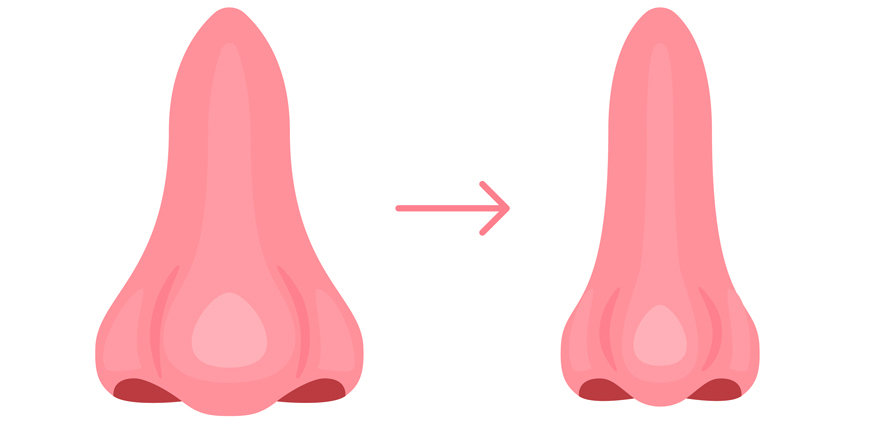
While many patients seek a slimmer nasal tip, the benefits of bulbous nose correction often extend beyond cosmetic enhancement:
Psychological Boost: Patients frequently report enhanced self-esteem and improved confidence in social or professional settings.
Balanced Proportions: When the nasal tip is harmonized with the rest of the face, it draws less attention and allows other features to shine.
Breathing Improvements: Some patients experience better airflow, particularly if septal deviation or internal valve collapse is corrected during surgery.
Improved Skin Quality: Strategic reduction of sebaceous tissue can improve skin texture over the long term.
Is Rhinoplasty Right for You?
Ideal candidates for bulbous nose rhinoplasty include:
Adults with stable facial and nasal development (typically 17+ years)
Individuals with thick, undefined nasal tips
People with functional concerns or past trauma
Patients with realistic goals and a clear understanding of the procedure
Dr. Kim evaluates not just anatomical suitability, but emotional readiness. “Rhinoplasty is a transformative experience. Patients must be prepared for both the physical changes and the emotional impact,” he emphasizes.
Patients undergoing revision rhinoplasty or those with past trauma are encouraged to share prior surgical records or imaging.
Non-Surgical Options: A Temporary Fix
For patients hesitant about surgery or seeking a preview of changes, non-surgical rhinoplasty using hyaluronic acid fillers can offer temporary enhancement. However, this approach is limited to:
Smoothing asymmetries
Camouflaging bumps
Enhancing nasal bridge height
It cannot reduce a bulbous tip, nor provide structural changes. Results typically last 6–12 months and may require repeat treatments. Dr. Kim uses non-surgical methods selectively and always emphasizes their limitations.
Choosing a Surgeon: Why Experience Matters
Rhinoplasty remains one of the most technically challenging cosmetic procedures. Small millimeter changes can yield significant visual effects. An experienced specialist ensures:
Lower risk of complications or revision
Greater aesthetic predictability
Balanced attention to both beauty and breathing function
Dr. Kim Hyung Taek is internationally recognized for his artistry and innovation, especially in autologous rib cartilage techniques. Patients benefit from his meticulous planning, advanced imaging systems, and ability to manage complex nasal anatomies.
Kowon Plastic Surgery provides access to verified before-and-after photos, real patient reviews, and virtual consultations for those living abroad.
Global Destination for Nasal Surgery
South Korea is a global hub for cosmetic surgery, with Seoul standing out as a center for innovation. Kowon Plastic Surgery serves patients from across Asia, North America, and Europe.
To support international guests, the clinic offers:
Multilingual staff
Airport pickup and lodging assistance
Streamlined scheduling and telehealth check-ins
Dr. Kim's work has been featured in medical conferences and aesthetic journals, further cementing his clinic's global reputation.
Transparent Pricing and Personalized Care
While cost varies depending on case complexity, surgical technique, and materials used, Kowon Plastic Surgery maintains clear, upfront pricing.
Basic Tip Refinement: Starting at approx. $3,000–$5,000 USD
Advanced Cartilage Grafting Cases: $6,000–$9,000 USD
All quotes include surgeon fees, operating room costs, post-op care, and follow-up. Financing options are available through approved providers.
Every treatment plan is tailored. Patients receive a detailed breakdown during their consultation so they can make informed decisions without hidden costs.
Ready to Begin?
If you're considering rhinoplasty for a bulbous nose, schedule a private consultation with Dr. Kim Hyung Taek today. With a blend of technical mastery, aesthetic intuition, and patient-centered care, your path to a more refined, confident appearance starts here.
Medical Information
Read this article as general guidance.
- This article is provided for general education. It does not replace an in-person examination by a qualified surgeon.
- Results vary between patients. Rhinoplasty can involve bleeding, infection, scarring, asymmetry, breathing changes, graft or implant problems and the possibility of revision surgery.
- Computer simulations and before-and-after photographs cannot guarantee an individual outcome.
- Any prices or timelines mentioned are general. Request an individualised, itemised written quotation and a procedure-specific recovery schedule before paying a deposit or booking travel.
Published by
Kowon Plastic Surgery
A rhinoplasty-focused clinic in Gangnam, Seoul, led by Dr. Kim Hyeongtaek and registered with Medical Korea to treat international patients.
Consultation
Questions about this topic? Ask Dr. Kim directly.
2F, 110 Dosan-daero, Gangnam-gu, Seoul 06038. Send clear photographs, your main concerns and any previous surgery history, and Dr. Kim Hyeongtaek will review what can be assessed before you travel.
International Patient Desk — Gangnam
Kowon Plastic Surgery
Director Dr. Kim Hyeongtaek
Single-surgeon rhinoplasty and autologous cartilage center in Seoul. Delivering meticulous, individual surgical architecture for primary and complex revision procedures.
Practice & Inquiries
Gangnam Clinic
2F, 110 Dosan-daero, Gangnam District, Seoul 06038, South Korea
Consultation Hours (KST)
Mon – Fri: 10:00 – 19:00
Sat: 10:00 – 16:00 · Sun & Holidays Closed
Direct Communication Channels
Telephone: +822-6242-7080WhatsApp: +1-206-809-1367LINE Official: @967xxmreWeChat Consultation Service© 2025 Kowon Plastic Surgery. All rights reserved.
Registered Medical Institution for Foreign Patient Facilitation (Medical Korea). Surgical consultation and procedure terms subject to Korean Ministry of Health and Welfare guidelines.