
Patient Education
Achieving a Natural Look with Cartilage Grafting Rhinoplasty
Learn how cartilage grafting in rhinoplasty provides natural, harmonious results. Explore benefits, techniques, and patient success stories.
Article
Published by Kowon Plastic Surgery, Gangnam, Seoul
Introduction: What is Cartilage Grafting Rhinoplasty?
Cartilage grafting rhinoplasty is an advanced nasal surgery technique designed to reshape and enhance the nose using the patient's own cartilage. Unlike traditional rhinoplasty, which may involve synthetic implants, cartilage grafting utilizes autologous materials—cartilage harvested from the patient’s body. This method offers a more organic and harmonious result, making it a popular choice for patients seeking subtle, natural changes to their nose that seamlessly integrate with their facial features.
Why a Natural Look Matters in Rhinoplasty?

In recent years, there has been a growing demand for rhinoplasty results that appear natural rather than artificial or overdone. Patients increasingly seek subtle, balanced results that enhance their facial symmetry without looking "worked on." Cartilage grafting stands out because it uses natural tissue, ensuring that the outcome complements the patient's unique features. The use of autologous cartilage minimizes risks of rejection and complications typically associated with synthetic materials, offering a more comfortable and sustainable result.
How Cartilage Grafting Enhances Rhinoplasty Results
Cartilage grafting is particularly beneficial for achieving a nose that looks and feels like a natural part of the face. By using rib cartilage, which is flexible and malleable, skilled surgeons can sculpt the nose’s bridge, tip, and structure with precision. The cartilage integrates smoothly with the surrounding tissues, leading to long-lasting, aesthetic outcomes. Since the cartilage is from the patient's own body, there is minimal risk of rejection, which makes it a superior option for many rhinoplasty patients.
The Basics of Cartilage Grafting in Rhinoplasty
What Is Cartilage Grafting?
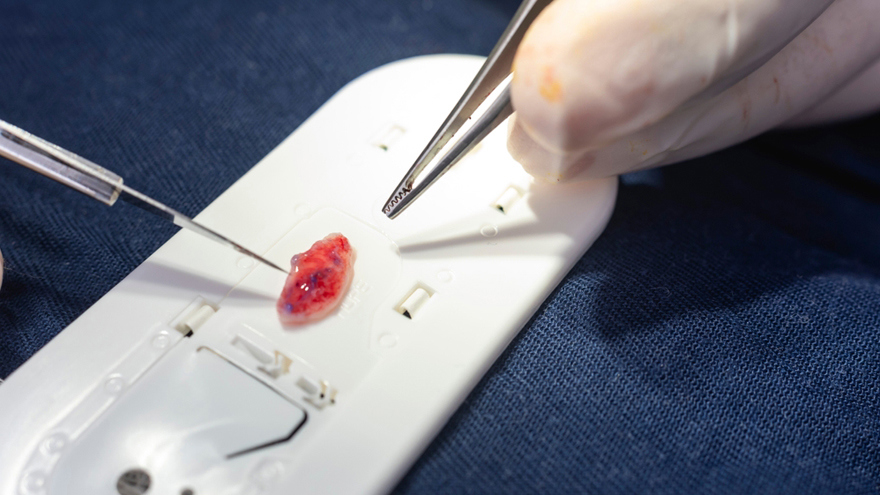
Cartilage grafting in rhinoplasty involves harvesting cartilage from a donor site on the patient’s body, such as the rib, ear, or septum, and using it to augment the nose. The grafts serve to enhance nasal volume, refine the tip, or correct deformities. Surgeons use cartilage grafts when there is a need for added structure, ensuring that the nose retains a balanced, natural appearance.
Types of Cartilage Used in Rhinoplasty:
Rib Cartilage: This is the most commonly used cartilage for grafting in rhinoplasty due to its flexibility, abundance, and ease of sculpting. It is ideal for making significant adjustments to the nose, such as building up a flat bridge or adding projection to the nasal tip.
Ear Cartilage: While more rigid than rib cartilage, ear cartilage is useful for smaller grafts or less invasive procedures. It is ideal for reshaping the nasal tip or refining minor deformities.
Septal Cartilage: Harvested from the nasal septum, this type of cartilage is often used in primary rhinoplasty procedures. Its use in grafting may be limited if it has already been used for structural corrections during the surgery.
Why Autologous Cartilage is Key for Natural Results
Benefits of Autologous Cartilage:
Autologous cartilage—tissue taken from the patient’s own body—offers a number of advantages over synthetic materials. One of the main benefits is its seamless integration with the surrounding tissue, minimizing the risk of rejection. Additionally, autologous cartilage adapts over time, maintaining a natural look as it grows and integrates with the patient’s facial structures. This results in long-lasting, aesthetically pleasing outcomes.
Rib Cartilage vs. Synthetic Materials:
While synthetic materials like silicone or Gore-Tex are sometimes used in rhinoplasty, rib cartilage offers a more natural feel and look. Synthetic implants can sometimes feel rigid or even appear artificial, while rib cartilage provides a soft, flexible structure that adapts to the patient’s anatomy. For those seeking subtle, realistic results, rib cartilage is often the best option as it enhances the face without drawing attention to the surgical intervention.
Techniques for Achieving a Natural Nose Shape with Cartilage Grafting
Customized Approach to Rhinoplasty:
Every face is unique, and so is every nose. To achieve the most natural results, surgeons must take a highly customized approach. This involves evaluating the patient’s unique facial features—including the forehead, chin, and cheekbones—and designing a nose that enhances their natural beauty. This personalized approach ensures that the nose is in proportion with the rest of the face, avoiding the “cookie-cutter” look that can sometimes result from generic rhinoplasty procedures.
Nasolabial Harmony:
Achieving harmony between the nose and other facial features is crucial for a natural result. The nose must complement the overall facial aesthetic, including the mouth, eyes, and cheeks. A balanced nose will enhance the patient’s appearance without drawing undue attention to itself. Surgeons will carefully plan the shape, size, and position of the nose to ensure that it is in harmony with the rest of the face.
Refining the Nasal Tip:
The nasal tip is often one of the most important areas addressed in rhinoplasty. Many patients seek a more defined, less bulbous tip. Cartilage grafting allows for precise sculpting of the nasal tip, adding projection or reducing excess tissue to create a more refined and natural appearance.
Key Considerations for a Successful Cartilage Grafting Rhinoplasty
Pre-Surgical Evaluation:
A thorough consultation is essential before undergoing rhinoplasty. The surgeon will assess the patient’s medical history, aesthetic goals, and the structure of their nose to determine the best approach. This initial evaluation also ensures that the patient has realistic expectations and understands the potential outcomes.
Patient Selection:
Not everyone is a suitable candidate for cartilage grafting rhinoplasty. Ideal candidates are those who have structural issues or who are looking for refinement or correction from previous rhinoplasty procedures. Candidates should be in good health and have realistic expectations of the procedure.
Surgical Planning:
Successful cartilage grafting requires precise planning. The surgeon will identify the best areas for harvesting cartilage and will carefully design the grafts to fit the patient’s unique anatomy. This personalized approach ensures that the grafts provide both functional and aesthetic benefits.
The Role of Experienced Surgeons in Natural Rhinoplasty Results
Skill and Expertise:
The experience and skill of the surgeon are critical in achieving natural results. A highly skilled rhinoplasty surgeon understands the nuances of nasal anatomy and how to make adjustments that complement the overall facial structure. Surgeons who specialize in cartilage grafting have the expertise to create results that are both aesthetically pleasing and natural-looking.
Dr. Kim Hyung Taek at Kowon Plastic Surgery:
Dr. Kim Hyung Taek, an expert in rhinoplasty with over 19 years of experience, is renowned for his ability to achieve natural, balanced results using cartilage grafting techniques. His attention to detail and personalized approach have earned him a reputation as one of the leading rhinoplasty surgeons in Seoul.
Post-Operative Care for Natural Results

Recovery Process:
The recovery process typically takes several weeks, with swelling and bruising gradually subsiding. Patients may experience mild discomfort, especially in the rib area if rib cartilage was used. Most patients can return to work or daily activities within 1-2 weeks, but should avoid strenuous exercise for several months.
Long-Term Results:
It can take up to a year for the final results to fully manifest as the nose settles into its new shape. Over time, the cartilage grafts integrate with the surrounding tissues, providing long-lasting, natural results that enhance facial harmony.
Risks and Complications to Consider
Like any surgical procedure, rhinoplasty carries risks, including infection, bleeding, and scarring. However, choosing an experienced surgeon significantly reduces these risks. With cartilage grafting, the primary risks involve graft displacement or improper integration. These issues are rare and can usually be managed effectively by a skilled surgeon.
Conclusion: A Natural, Personalized Approach to Rhinoplasty
For those seeking a rhinoplasty procedure that delivers natural, harmonious results, cartilage grafting is an excellent option. By using autologous cartilage, surgeons can sculpt a nose that enhances facial balance and appears seamlessly integrated with the rest of the features. With the right surgeon and approach, cartilage grafting rhinoplasty can transform the nose in a subtle yet stunning way, offering results that last a lifetime.
Medical Information
Read this article as general guidance.
- This article is provided for general education. It does not replace an in-person examination by a qualified surgeon.
- Results vary between patients. Rhinoplasty can involve bleeding, infection, scarring, asymmetry, breathing changes, graft or implant problems and the possibility of revision surgery.
- Computer simulations and before-and-after photographs cannot guarantee an individual outcome.
- Any prices or timelines mentioned are general. Request an individualised, itemised written quotation and a procedure-specific recovery schedule before paying a deposit or booking travel.
Published by
Kowon Plastic Surgery
A rhinoplasty-focused clinic in Gangnam, Seoul, led by Dr. Kim Hyeongtaek and registered with Medical Korea to treat international patients.
Consultation
Questions about this topic? Ask Dr. Kim directly.
2F, 110 Dosan-daero, Gangnam-gu, Seoul 06038. Send clear photographs, your main concerns and any previous surgery history, and Dr. Kim Hyeongtaek will review what can be assessed before you travel.
International Patient Desk — Gangnam
Kowon Plastic Surgery
Director Dr. Kim Hyeongtaek
Single-surgeon rhinoplasty and autologous cartilage center in Seoul. Delivering meticulous, individual surgical architecture for primary and complex revision procedures.
Practice & Inquiries
Gangnam Clinic
2F, 110 Dosan-daero, Gangnam District, Seoul 06038, South Korea
Consultation Hours (KST)
Mon – Fri: 10:00 – 19:00
Sat: 10:00 – 16:00 · Sun & Holidays Closed
Direct Communication Channels
Telephone: +822-6242-7080WhatsApp: +1-206-809-1367LINE Official: @967xxmreWeChat Consultation Service© 2025 Kowon Plastic Surgery. All rights reserved.
Registered Medical Institution for Foreign Patient Facilitation (Medical Korea). Surgical consultation and procedure terms subject to Korean Ministry of Health and Welfare guidelines.